English
 Español
 عربى
عربى 中文简体
中文简体

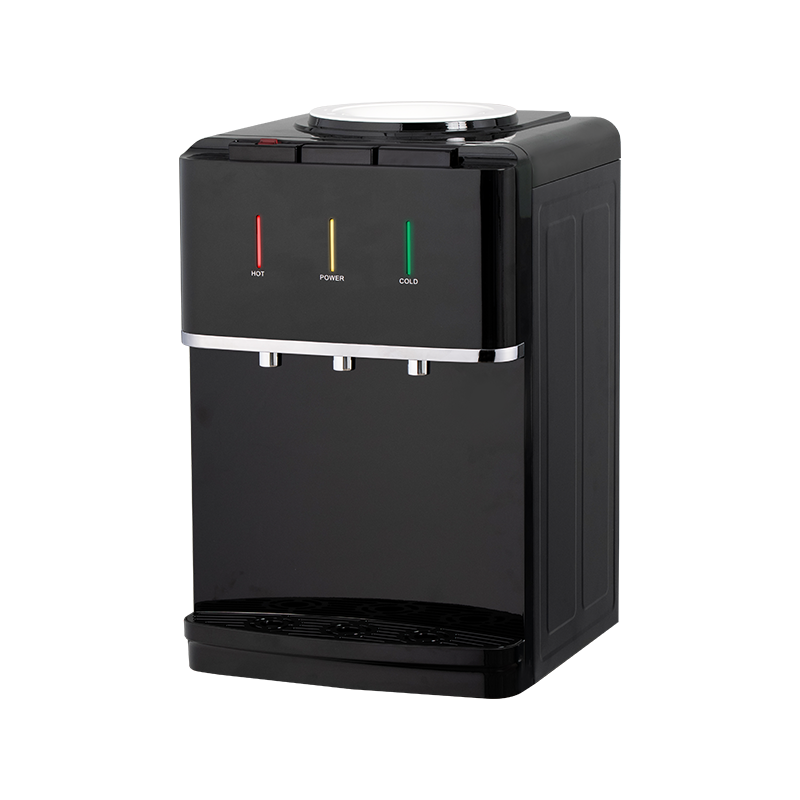
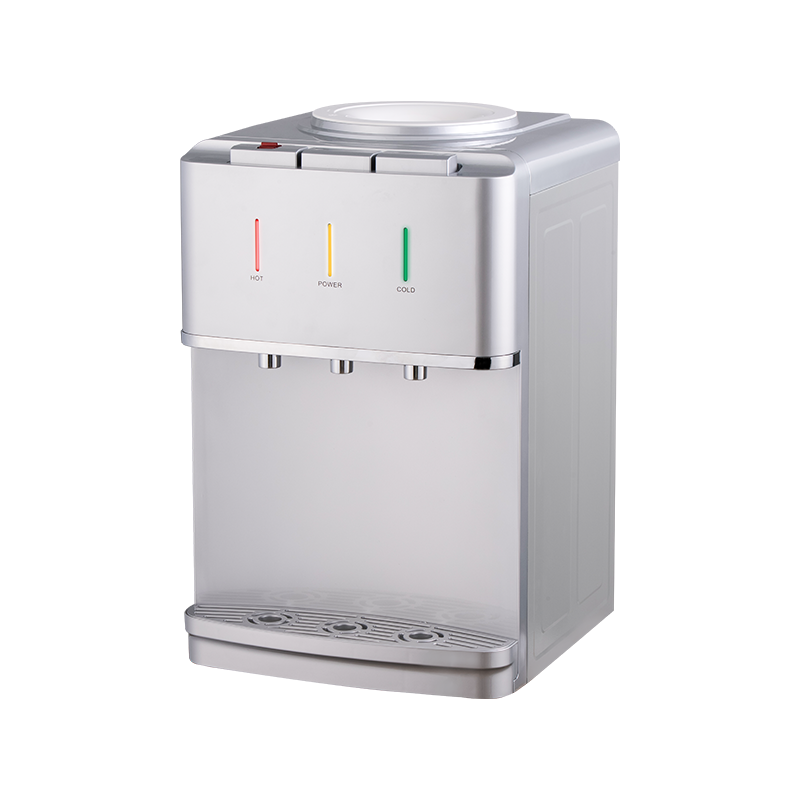
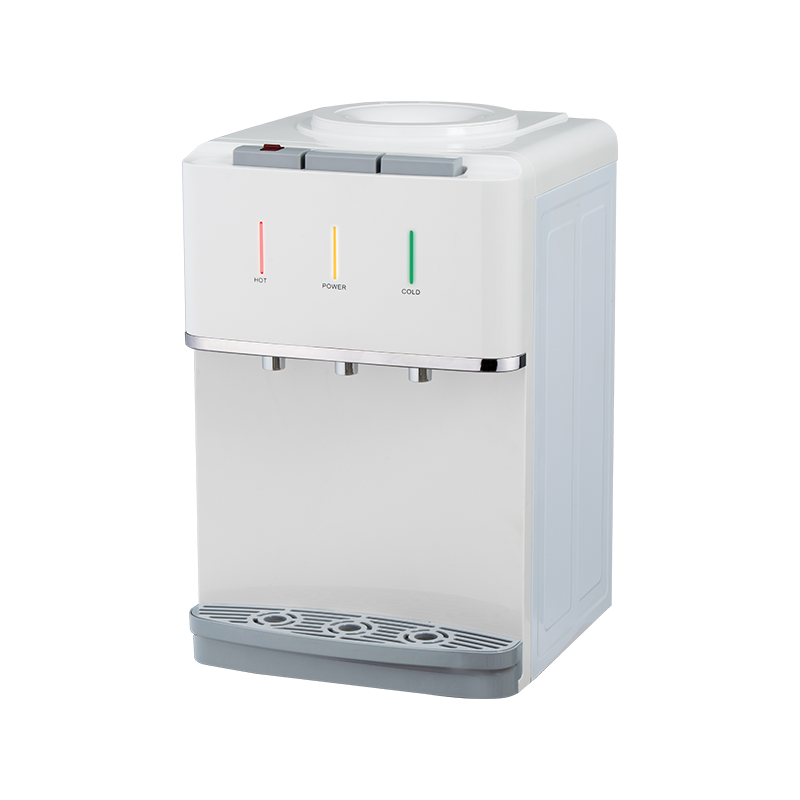
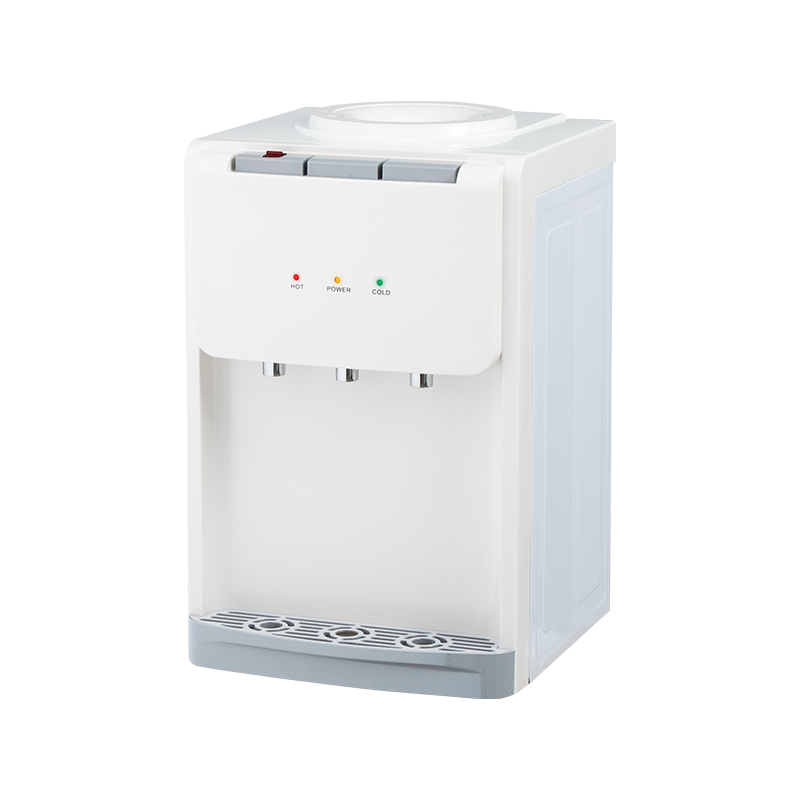
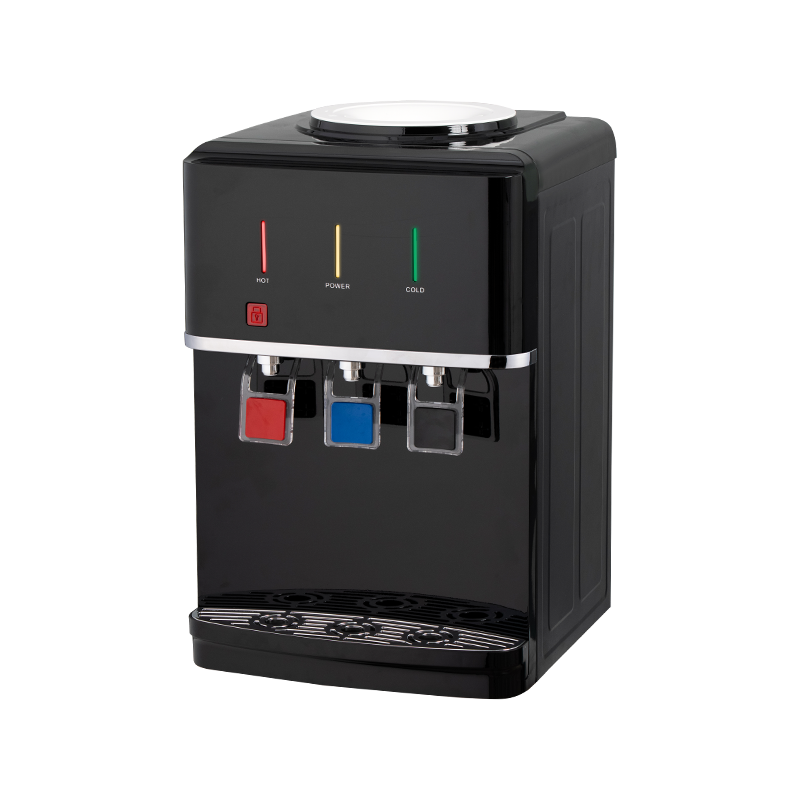
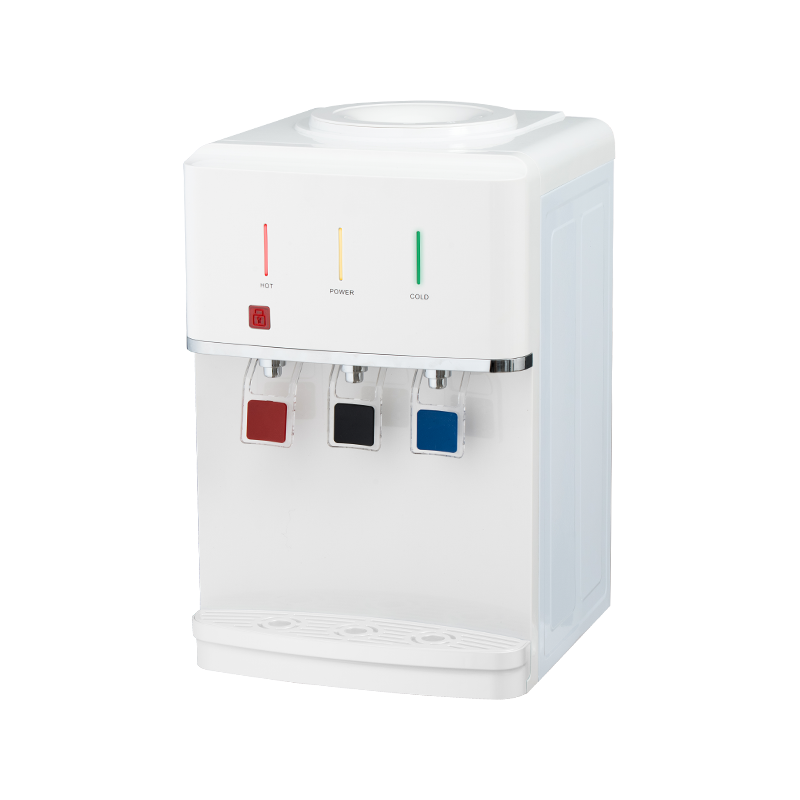
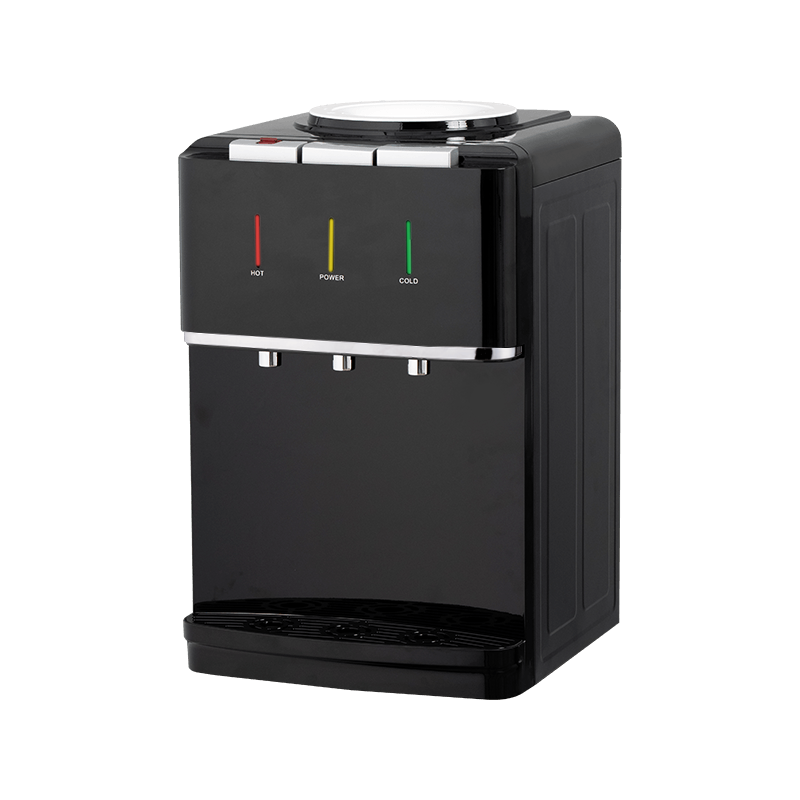
Introduction of Desktop Water Dispenser
Staying hydrated is crucial for maintaining good health, especially during long hours of desk work. It is easy to get caught up in tasks and forget to drink enough water, which can lead to fatigue, decreased concentration, and overall discomfort. With the growing awareness of the importance of hydration, many people are looking for convenient ways to keep water accessible throughout their workday. This is where a desktop water dispenser becomes a valuable addition to any workspace. These dispensers are designed to fit into small office settings and offer an easy, efficient solution to hydration. The increasing popularity and availability of these devices have made them a go-to choice for many offices and home workspaces. Whether you need hot or cold water, filtered water, or a simple manual model, desktop water dispensers come in various styles to meet individual preferences and needs.
Convenience of Desktop Water Dispensers
One of the primary reasons people opt for desktop water dispensers is the convenience they offer. These compact devices are easy to install on a desk or countertop without taking up too much space. Most models are designed to provide a continuous supply of water, making it easy for users to access water at any time without having to get up or search for a bottle. With the press of a button, you can enjoy cold, room-temperature, or hot water, depending on your preference. Whether you are working from home or in an office setting, the ability to stay hydrated without leaving your desk increases productivity and helps maintain focus. In addition, many models are equipped with filtration systems, ensuring that the water you drink is clean and free from impurities. This convenience makes desktop water dispensers a practical solution for anyone looking to maintain a healthy hydration routine during their workday.
Variety of Desktop Water Dispensers
Desktop water dispensers are available in a range of models, catering to different needs and preferences. From manual dispensers to more advanced electric systems, there is a variety of options available on the market. For those who want a simple solution, a manual water dispenser might be ideal. These dispensers typically feature a hand-pump mechanism that allows users to easily dispense water from a large bottle. Although they are less automated, they are often more affordable and simple to maintain. On the other hand, electric water dispensers provide a more advanced experience with automated features. These models allow users to control the temperature of the water, with options for both hot and cold water. Additionally, they often come with a built-in filtration system that ensures the water is clean and free of contaminants, providing a higher level of convenience and quality.
Types of Desktop Water Dispensers
There are several types of desktop water dispensers available on the market, each offering its own set of features to meet different needs. The following are some of the most common types:
Small Water Dispensers
Small water dispensers are ideal for limited spaces. These compact models can be placed on small desks or countertops without taking up too much space. Despite their size, small water dispensers can offer the same functionality as larger models, including the ability to dispense hot and cold water. They are an excellent choice for home offices or individual use where space is a premium.
Countertop Water Dispensers
Countertop water dispensers are a popular option for those who need a slightly larger unit. These dispensers typically hold larger water bottles, which means they don’t need to be refilled as frequently. The design of these dispensers is well-suited for countertops, making them perfect for offices or kitchens. Some countertop models come with advanced features such as touchless operation, which allows users to dispense water without touching the dispenser, adding a layer of convenience and hygiene.
Water Coolers
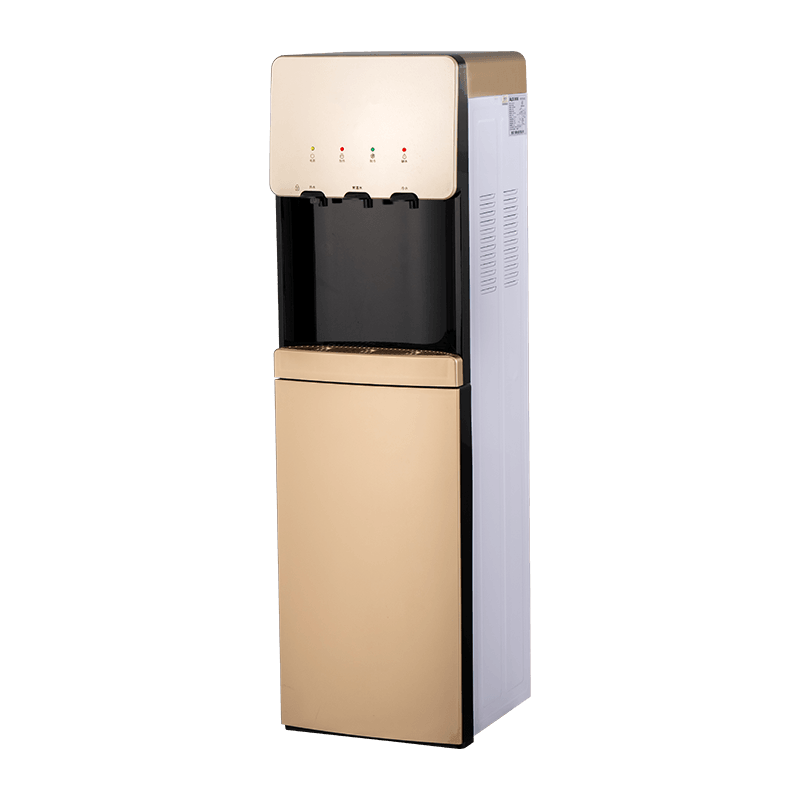
Water coolers are larger, more robust versions of desktop dispensers that can dispense both cold and hot water. These units are commonly found in office spaces or large communal areas. Water coolers are typically designed for high usage and offer the benefit of being able to serve several people at once. Some models even come with an option for filtered water, improving the overall water quality. Although water coolers are more substantial than smaller desktop dispensers, they are a good choice for those who require consistent access to both hot and cold water throughout the day.
Portable Water Dispensers
Portable water dispensers are a convenient option for individuals who may need to move their dispenser between different locations. These models are often smaller and more lightweight than traditional water dispensers, making them easy to carry and set up wherever needed. Portable dispensers are a great solution for people who work in multiple locations or need a water dispenser that can be easily transported to different rooms or offices.
Benefits of Desktop Water Dispensers
Desktop water dispensers offer a variety of benefits, making them a great choice for both home and office use. The most obvious advantage is convenience. With a water dispenser on your desk, you can easily access fresh water without needing to get up or leave your workspace. This can help reduce interruptions and increase productivity. Additionally, many desktop water dispensers come equipped with filtration systems that remove impurities from tap water, ensuring that the water you drink is clean and safe. Some models even provide hot water, making it easy to prepare tea or coffee during the day. By offering both hot and cold water options, desktop water dispensers are a versatile solution that can cater to various hydration needs.
Popular Features in Desktop Water Dispensers
As desktop water dispensers continue to evolve, more advanced features are being integrated into newer models. One of the most sought-after features is the water filtration system. A filtered water dispenser ensures that you are drinking clean, purified water, which is essential for maintaining good health. Many dispensers now come with multi-stage filtration, which removes contaminants such as chlorine, bacteria, and heavy metals. Some models also offer features such as touchless dispensing, temperature control for both hot and cold water, and even UV sterilization to ensure the dispenser itself remains hygienic.
Electric vs. Manual Desktop Water Dispensers
When choosing a desktop water dispenser, one of the primary considerations is whether to opt for an electric or manual model. Electric water dispensers typically offer more advanced features, such as automatic water temperature control and built-in filtration systems. These dispensers are perfect for people who need both hot and cold water on demand and prefer a more hands-off approach to hydration. However, electric dispensers tend to be more expensive than manual options and may require more maintenance due to their electrical components.
On the other hand, manual water dispensers are more affordable and simpler in design. These dispensers typically rely on a hand-pump mechanism to dispense water, which makes them ideal for users who only need cold water or don’t mind manually pumping water. While they lack the automatic features of electric dispensers, manual water dispensers are easy to maintain and are often considered a more budget-friendly option.
Filtered Water Dispensers for Healthier Hydration
Filtered water dispensers are an increasingly popular choice for people who are concerned about the quality of their drinking water. These dispensers often come with built-in filtration systems that remove contaminants such as chlorine, bacteria, and other impurities from tap water. This ensures that the water you drink is free from harmful substances, offering a healthier and more enjoyable hydration experience. Whether you are working from home or in the office, having access to filtered water is a simple way to improve your overall health and well-being.
Hot and Cold Water Dispensers
Many desktop water dispensers come with the option to dispense both hot and cold water. This feature is especially useful for people who drink a variety of beverages throughout the day, including cold water, tea, coffee, or even instant soup. A hot and cold water dispenser allows you to quickly switch between water temperatures, making it a versatile option for different needs. Whether you need a refreshing glass of cold water or a hot cup of tea, having both options readily available makes it easier to stay hydrated and enjoy your preferred beverages.
A Convenient and Practical Hydration Solution
Desktop water dispensers have become a convenient and practical solution for people looking to stay hydrated while working at a desk. With various models available, including small water dispensers, countertop water dispensers, and portable water dispensers, users can choose a unit that best fits their needs. Features like built-in filtration systems, the option for hot and cold water, and the choice between electric and manual dispensers add flexibility and ease to staying hydrated throughout the workday. As these dispensers become more popular and widely available, they continue to improve the way people stay hydrated in the modern workspace.
Benefits of Using a Desktop Water Dispenser
Improved Hydration Through Convenient Access
A desktop water dispenser offers a practical way to support healthier hydration habits by making water easily accessible throughout the day. Whether used as a desktop water dispenser, small water dispenser, or countertop water dispenser, its presence encourages frequent drinking without requiring individuals to leave their immediate workspace. This convenience is especially helpful in busy office environments where employees may become absorbed in tasks and unintentionally neglect hydration. With water always within reach, users can maintain steady water intake, which contributes to comfort and focus. Many people find that when a portable water dispenser or office water dispenser is placed directly on the desk, the visual reminder alone helps promote consistent drinking. The ability to choose between electric water dispenser and manual water dispenser styles also means different preferences can be met without compromising functionality. By integrating filtered water dispenser options, some units additionally provide access to better-tasting water, which further encourages regular consumption.
| Hydration Feature | Description | Applicable Dispenser Types |
|---|---|---|
| Instant Accessibility | Water is available immediately without walking to another area. | Desktop water dispenser, office water dispenser |
| Encourages Frequent Drinking | Seeing the dispenser helps users remember to drink water regularly. | Portable water dispenser, small water dispenser |
| Filtered Option | Improves taste and may reduce impurities depending on model design. | Filtered water dispenser, electric water dispenser |
Space-Saving Design Suitable for Various Work Environments
One of the most noted benefits of a desktop water dispenser is its space-saving design, which makes it a practical addition to small work areas. Whether placed in home offices, dorm rooms, cubicles, or shared desks, a small water dispenser occupies minimal space while offering meaningful utility. A countertop water dispenser is typically designed with a compact footprint, allowing it to fit comfortably on desks, shelves, or reception counters without crowding the workspace. This makes it practical for individuals who prefer not to rely on larger water cooler systems that require floor space. Some models, such as a portable water dispenser or manual water dispenser, feature simplified mechanisms that eliminate the need for electrical outlets, further enhancing placement flexibility. Units with hot and cold water dispenser functions can replace electric kettles or basic water pitchers, helping reduce clutter. Through thoughtful use of compact dimensions, these dispensers integrate well into modern minimalist office setups, making them an appealing hydration solution for individuals seeking efficiency.
| Design Element | Benefit | Common in Models |
|---|---|---|
| Compact Footprint | Fits on desks without disrupting workspace organization. | Small water dispenser, countertop water dispenser |
| No-Outlet Options | Allows placement flexibility in areas without power sources. | Manual water dispenser |
| Integrated Temperature Features | Reduces need for kettles or cooling devices. | Hot and cold water dispenser, electric water dispenser |
Convenience and Ease of Use in Everyday Routines
A desktop water dispenser offers convenience that supports smooth daily routines, especially in busy settings where efficiency matters. Users no longer need to interrupt workflow to walk to a communal water cooler or kitchen area, as hydration is available at arm's reach. This time-saving aspect benefits individuals working in offices, students, customer service teams, and anyone operating in compact workspaces. The function of a portable water dispenser enhances convenience even further by allowing users to reposition the device as needed throughout the day. Meanwhile, an electric water dispenser with features such as automatic flow control, hot and cold water dispenser systems, or built-in filters streamlines the drinking process. These systems are designed to require minimal maintenance and simple refilling, allowing users to focus on tasks without interruption. Even manual water dispenser styles maintain ease of use by offering straightforward operation without cords or electrical components. Regardless of the model chosen, the overall convenience contributes to smoother workflow and improved comfort in everyday routines.
| Convenience Feature | How It Helps | Dispenser Types |
|---|---|---|
| Desk Placement | Reduces time spent walking to shared hydration stations. | Office water dispenser, desktop water dispenser |
| Portable Movement | Allows repositioning based on daily needs. | Portable water dispenser |
| Automatic Water Flow | Simplifies filling cups or bottles. | Electric water dispenser |
Reduced Plastic Waste and Eco-Friendly Usage
A desktop water dispenser can support environmentally conscious habits by reducing reliance on single-use plastic bottles. When users refill their bottles or cups directly from a countertop water dispenser, the need for disposable water bottles decreases, helping individuals and offices lower their environmental footprint. Many businesses adopt office water dispenser systems to encourage employees to refill instead of purchasing bottled water. This shift not only reduces waste but can also lower supply costs for workplaces that routinely purchase bottled beverages. Filtered water dispenser models offer the added benefit of providing clean water without requiring prepackaged plastic containers. Some models allow users to combine them with larger refillable water jugs, which further minimizes waste compared to consistently buying smaller bottles. Manual water dispenser options, which do not require electricity, can also contribute to energy conservation. Through these combined features, a desktop water dispenser supports practical sustainability habits that align with modern environmental goals.
| Eco-Friendly Practice | Impact | Supporting Dispenser Types |
|---|---|---|
| Refilling Reusable Bottles | Decreases use of disposable plastic bottles. | Desktop water dispenser, small water dispenser |
| Using Refillable Jugs | Reduces frequency of purchasing single-use bottled water. | Countertop water dispenser, office water dispenser |
| Energy-Free Operation | Lowers environmental impact by eliminating energy use. | Manual water dispenser |
Types of Desktop Water Dispensers
Manual Pump Dispensers
Manual pump dispensers represent one of the most accessible forms of a desktop water dispenser, commonly chosen for settings where simplicity, portability, and low operating cost are priorities. A manual water dispenser operates without electricity, relying on a hand-press mechanism that pulls water from a bottle and channels it through the spout. This design makes the manual water dispenser suitable for environments such as small offices, temporary workstations, outdoor booths, or homes where users want a portable water dispenser without depending on a power source. Since the mechanism uses basic suction and pressure principles, its internal structure remains straightforward, which also means it requires minimal maintenance over long-term use. For many individuals adopting a small water dispenser for casual hydration needs, manual designs serve as a convenient starting point.
Because manual pump dispensers are fully mechanical, users must apply physical pressure each time they want to dispense water. This design can be workable for low-volume consumption but may become less convenient when used by larger groups or in office environments that rely on frequent hydration. The absence of electric support also means the water flow rate varies depending on the user’s force and rhythm, making output consistency less predictable. However, the manual water dispenser remains valuable for situations prioritizing flexibility, low noise, and cost efficiency. For basic hydration needs, it functions as a practical small water dispenser option that can fit easily on a desk or countertop without occupying excessive space.
| Feature | Manual Pump Dispenser |
|---|---|
| Power Source | No electricity required |
| Portability | Highly portable |
| Ideal Usage | Small offices, outdoor use, temporary setups |
Electric Dispensers
Electric water dispensers are widely used in modern workplaces and home offices due to their convenience and consistent water flow. This type of desktop water dispenser generally operates through a motorized pump that activates via a button or touch-sensitive panel. Some models incorporate touchless sensors to reduce surface contact, an advantage in settings where hygiene is a priority. The electric water dispenser offers a stable output rate, which enhances user experience compared with the intermittent flow of manual pump designs. For those who frequently consume water throughout the day, the reliability and ease of use make electric dispensers practical for long-term hydration habits. The presence of a stable pump mechanism also allows this dispenser style to handle larger bottle sizes, making it suitable for office water dispenser applications.
While electric dispensers provide convenience, they do require an available power outlet and occasional charging if the unit uses a built-in battery. This dependency on electricity may limit placement options, especially on crowded desks or areas lacking accessible outlets. Additionally, the internal components of electric models require periodic cleaning to maintain water quality, particularly in environments with high usage frequency. Despite these considerations, this type of countertop water dispenser remains a popular option because it strikes a balance between automation, desk-friendly design, and consistent hydration support. Many users appreciate how an electric water dispenser enhances workflow efficiency by reducing the need to leave the workstation.
Countertop Dispensers with Refillable Bottles
Countertop water dispensers with refillable bottles offer a larger-capacity alternative to pump or electric water dispensers. Unlike small water dispenser options, these units include a built-in reservoir that users refill manually or by attaching standard-sized bottles. Their greater volume allows individuals or teams to access water throughout the day without needing to replace or refill the container frequently. This makes them suitable for shared office spaces, small kitchens, and workplaces where multiple people rely on a centralized water source. Although they occupy more space than a typical portable water dispenser, they are still compact enough to qualify as a countertop water dispenser, designed to fit on desks, shelves, or meeting room surfaces.
Users selecting this category should consider the cleaning and maintenance requirements, as larger internal tanks require regular sanitization to maintain freshness. Placement is also an important factor because these dispensers perform best on a stable, elevated surface that supports the unit’s weight once filled. Their design focuses on delivering a more substantial supply of water, making them appropriate for settings where hydration needs are steady throughout the day. For consumers seeking an office water dispenser that supports moderate traffic without the complexity of plumbed-in systems, this design offers a balanced option.
| Capacity Level | Typical Volume |
|---|---|
| Small Water Dispenser | 0.5 – 2 liters |
| Countertop Refillable Dispenser | 3 – 8 liters |
Filtered Water Dispensers
A filtered water dispenser integrates a purification or filtration module directly into the system. This function makes it an attractive choice for users who prioritize improvements in water taste, clarity, and overall quality. The filtration media may include activated carbon, micro-screen filters, resin, or multi-stage composite filters. The filtered water dispenser ensures that water from the source bottle or tap-fed reservoir passes through these layers before being dispensed. For individuals working long hours at a desk, this style of desktop water dispenser ensures consistent access to water that feels cleaner and more pleasant. It also reduces reliance on separate filtration bottles or standalone purifiers, thereby simplifying the hydration routine.
The main consideration with filtered designs involves the maintenance cycle. Filters must be replaced at intervals recommended by the manufacturer, and performance can decline if maintenance is postponed. Additionally, the presence of a filtration module can reduce flow rate compared to unfiltered electric water dispensers. However, for users concerned about sediment, chlorine taste, or minor impurities, the filtered water dispenser offers an appealing solution. It fits easily into kitchens, employee break rooms, home offices, and shared workspaces where convenient access to filtered hydration is valued.
Hot and Cold Water Dispensers
Hot and cold water dispensers provide temperature versatility, making them popular in environments where users require both chilled and heated water for beverages throughout the day. As a type of desktop water dispenser, these units include internal heating and cooling modules, allowing them to dispense water at multiple preset temperature levels. This makes them especially useful in office settings where employees prepare instant coffee, tea, or oatmeal, as well as enjoy cold water without storing bottles in a refrigerator. Although this type of water cooler is more advanced than a simple portable water dispenser, it still maintains a compact footprint suitable for desks or countertops.
Because these dispensers contain active thermal components, they consume more energy than manual or basic electric models. Placement near a power source becomes essential, and users must ensure proper ventilation to support stable operation. Additionally, the internal reservoirs and heating or cooling elements should be cleaned regularly to maintain consistent performance. Nevertheless, the hot and cold water dispenser remains a practical option in offices, study rooms, or small kitchens where individuals value ready-to-use water at multiple temperatures when working or studying. By supporting various drinking and preparation needs, this category enhances the versatility of hydration solutions in compact areas.
Choosing the Most Suitable Desktop Water Dispenser
Selecting the right desktop water dispenser depends on several factors, including available space, water consumption habits, and the preferred level of automation. A small water dispenser may meet the needs of individuals with limited space or basic hydration requirements, while larger countertop water dispenser designs are more suitable for teams or continuous use throughout the day. Manual models function well in scenarios that demand portability and simplicity, whereas electric water dispensers provide convenience with minimal effort. Meanwhile, filtered water dispenser options appeal to users prioritizing water quality, and hot and cold water dispenser units suit those who desire temperature flexibility during their work routine.
Each category offers distinct advantages, and understanding these differences helps users select a water cooler that aligns with their workplace or household hydration goals. Whether choosing a portable water dispenser for mobility, an office water dispenser for shared use, or a countertop water dispenser for larger capacity, the wide variety of models ensures that individuals can find an option tailored to their lifestyle. As the demand for hydration solutions continues to grow in modern work environments, desktop water dispensers remain valuable tools for supporting consistent, convenient water access throughout the day.
Factors to Consider When Choosing a Desktop Water Dispenser
Choosing the right desktop water dispenser can make a significant difference in your daily hydration routine, especially in an office or home workspace where staying hydrated is essential. With a variety of models available, it can be difficult to decide which dispenser will best meet your needs. Several factors must be considered when selecting a desktop water dispenser to ensure it fits your space, budget, and hydration requirements. These include size and capacity, the type of dispenser, the water source, filtration options, temperature preferences, ease of use, maintenance, and overall cost. In this guide, we will discuss the key factors to keep in mind when choosing a water dispenser for your desk or office space.
Size and Capacity
One of the first things to consider when choosing a desktop water dispenser is the size and capacity. These dispensers come in a variety of sizes, from small water dispensers that are perfect for individual use, to larger countertop water dispensers designed to serve multiple people. The size of the dispenser will directly affect the amount of space it occupies on your desk or countertop. If you have limited desk space, a small water dispenser might be a better option, as it won’t take up too much room while still providing enough water for daily consumption.
The capacity of the dispenser is also important. A smaller unit may hold a few liters of water, while larger models can store much more. When deciding on the right capacity, consider your daily water consumption and the number of people who will be using the dispenser. For a single user, a small water dispenser with a capacity of 2-4 liters may suffice. However, for offices with multiple people, a larger capacity water cooler or countertop water dispenser may be necessary to ensure there is always enough water available without frequent refills.
Type of Dispenser
The type of desktop water dispenser you choose is also a significant factor in your decision-making process. There are several types of dispensers available, each offering different levels of convenience and functionality. Broadly, you can choose between manual and electric dispensers, with variations like water coolers and portable water dispensers offering additional features. The choice between a manual and electric model often depends on your preference for convenience and budget.
Manual water dispensers typically use a hand-pump mechanism to dispense water. These units are straightforward to use, require no electricity, and are generally more affordable. However, they lack advanced features like temperature control and filtration systems. On the other hand, electric water dispensers, including water coolers and office water dispensers, offer more features such as temperature control (hot, cold, or room temperature water) and automatic dispensing. These dispensers tend to be more expensive but provide a higher level of convenience for users who prefer hands-free operation.
Water Source
Another important consideration when selecting a desktop water dispenser is the water source. Some dispensers are designed to be used with bottled water, while others can be connected directly to a water line. Choosing the right water source will depend on your preferences and the type of installation you’re comfortable with.
For many people, using bottled water with a desktop water dispenser is the easiest and most convenient option. Bottled water dispensers, such as those used in water coolers, are easy to set up and don’t require any plumbing. However, they do require regular water bottle replacement, which can be inconvenient and may contribute to ongoing costs.
Alternatively, dispensers that connect directly to a water line eliminate the need for bottled water, as they can provide a continuous supply of water directly from your plumbing system. These types of dispensers are typically more complex to install and may require professional setup, but they offer the advantage of never needing to replace water bottles. If you’re looking for a more sustainable solution, connecting your desktop water dispenser to a water line could be the ideal choice.
Filtration
Filtration is another crucial factor to consider when choosing a desktop water dispenser, especially if you are concerned about water quality. Many modern dispensers, including filtered water dispensers, come with built-in filtration systems designed to remove impurities from tap water. These systems can remove chlorine, bacteria, and other contaminants, ensuring that the water you drink is clean and safe.
When selecting a desktop water dispenser, determine whether you need a model with a built-in filtration system. If you live in an area with hard water or are concerned about the quality of your tap water, a filtered water dispenser may be the best option. Many electric and countertop water dispensers come with multi-stage filtration systems, which provide an added layer of protection against contaminants. Alternatively, if you use bottled water with your dispenser, a filtration system may not be necessary, as bottled water is generally already filtered.
Temperature Options
Temperature control is another important factor to consider when choosing a desktop water dispenser. Depending on your preferences, you may want a dispenser that provides hot water, cold water, or both. Some models, such as hot and cold water dispensers, offer both options, allowing you to enjoy a refreshing glass of cold water during the day or a warm cup of tea when needed.
If you often drink tea, coffee, or other hot beverages, a hot water dispenser could be a worthwhile investment. Similarly, if you prefer cold water, a cooler model will allow you to enjoy chilled water throughout the day. Some advanced electric water dispensers even allow you to set specific temperatures for hot or cold water, giving you greater control over your hydration experience.
Ease of Use and Maintenance
When choosing a desktop water dispenser, it’s essential to consider how easy it is to use and maintain the device. Some dispensers, such as manual water dispensers, are relatively simple to use, as they only require a hand pump to dispense water. However, even manual dispensers require occasional cleaning to maintain water quality.
Electric dispensers, especially models with built-in filtration systems, may require more maintenance. Filters need to be replaced periodically, and certain models may require descaling or cleaning of internal components. Choose a dispenser that is easy to refill, clean, and maintain. Models with removable parts, such as drip trays and water reservoirs, are typically easier to clean and maintain, helping to ensure that your dispenser remains in good working condition.
It is also important to consider how easy it is to refill the dispenser. If you’re using bottled water, ensure that the dispenser is designed to accommodate the size and weight of the bottles you intend to use. Some models have easy-to-load water bottle designs that allow you to replace bottles without much effort, while others may require more effort to install and secure the bottle.
Price and Warranty
Price is always an important consideration when selecting a desktop water dispenser. The cost can vary significantly depending on the type of dispenser, its features, and its brand. Manual water dispensers are generally the least expensive option, while electric dispensers, especially those with advanced features like temperature control or built-in filtration, tend to be more expensive. It’s important to compare prices to find a model that fits within your budget.
In addition to price, it’s also essential to check for warranty coverage. A good warranty can provide peace of mind, especially if you’re investing in a higher-end model. Look for dispensers that come with a solid warranty, covering issues such as defects in materials or functionality. Some manufacturers offer extended warranties for additional cost, which can be beneficial if you plan to use the dispenser for a long time.
How to Maintain Your Desktop Water Dispenser
Proper maintenance of your desktop water dispenser is essential to ensure that it operates efficiently and provides clean, fresh water. Whether you have a small water dispenser, a countertop water dispenser, or a more advanced office water dispenser, regular upkeep is crucial for preventing issues like bacterial growth, mineral buildup, and reduced performance. Regular cleaning, descaling, filter replacement, and proper storage are key elements of maintenance. In this article, we’ll explore these steps in detail to help you keep your dispenser in top condition.
Regular Cleaning
Cleaning your desktop water dispenser is essential for maintaining both its performance and water quality. Over time, water dispensers can become breeding grounds for bacteria and algae, particularly in humid environments or if the water reservoir is not properly cleaned. Regular cleaning prevents the growth of microorganisms and ensures that the water you drink remains safe and fresh.
The frequency of cleaning will depend on the type of dispenser you have. For most dispensers, it’s a good idea to clean the water reservoir and external parts every two weeks to a month. However, if you notice any unpleasant odors or if the water appears cloudy, you should clean the dispenser more frequently. To clean your dispenser, start by unplugging the unit and removing any water bottles or reservoirs. Use a mild detergent and warm water to clean the water reservoir and any detachable parts, such as drip trays. Avoid using harsh chemicals or abrasive materials, as these can damage the dispenser’s components.
For electric water dispensers or water coolers, it’s important to clean the water dispenser’s electrical components carefully. Always follow the manufacturer’s guidelines to ensure that no damage occurs during the cleaning process. Once cleaned, rinse all parts thoroughly to ensure no soap or detergent residue remains before refilling the dispenser with fresh water. By incorporating regular cleaning into your maintenance routine, you can prevent bacteria and algae growth and keep your desktop water dispenser in good working condition.
Descaling
Mineral buildup is a common issue in desktop water dispensers, especially in areas with hard water. Over time, minerals like calcium and magnesium can accumulate inside the dispenser, particularly in the heating or cooling components, leading to decreased performance and even damage to the system. Descaling is the process of removing this mineral buildup to ensure that your water dispenser operates efficiently.
Descaling your water dispenser should be done every three to six months, depending on how often you use the dispenser and the hardness of your water. If you notice a decrease in water temperature or if the water seems to flow less efficiently, this could be a sign that descaling is needed. To descale your dispenser, follow the manufacturer’s instructions, as the process may vary depending on the type of water dispenser you own (e.g., a manual water dispenser or an electric water dispenser). Many dispensers can be descaled using a simple solution of vinegar and water. Mix one part vinegar with two parts water, pour the solution into the water reservoir, and let it sit for about 30 minutes. Afterward, flush the system with clean water to remove any remaining vinegar residue.
In some cases, you may need to purchase a descaling solution specifically designed for water dispensers. These solutions are typically more effective at breaking down mineral deposits without causing damage to the internal components. Descaling your water cooler or portable water dispenser regularly will help extend its lifespan and maintain consistent water flow and temperature control.
Filter Replacement
If your desktop water dispenser is equipped with a filtration system, replacing the filters at the recommended intervals is essential for ensuring that the water remains clean and safe to drink. Filtered water dispensers are designed to remove impurities such as chlorine, bacteria, and heavy metals from tap water, improving the taste and quality of the water. However, over time, filters become saturated with these impurities and lose their effectiveness.
The frequency of filter replacement depends on the type of filter and how much water is dispensed. As a general rule, filters should be replaced every 3 to 6 months. Some dispensers have indicator lights that signal when it’s time to replace the filter, while others may require you to track the time manually. If your dispenser does not have a built-in filter change indicator, be sure to check the manufacturer’s guidelines for the recommended replacement interval.
When replacing the filter, make sure to choose the correct replacement filter that is compatible with your desktop water dispenser model. If you are unsure which filter to use, consult the dispenser’s user manual or contact the manufacturer for guidance. Replacing filters on time will help maintain water quality and prevent the buildup of harmful substances that could affect your health.
Proper Storage
Proper storage of your desktop water dispenser is important if you plan to leave it unused for an extended period, such as during vacations or when moving to a new location. Storing your dispenser correctly will prevent damage and ensure that it’s ready for use when you need it again.
If you have a small water dispenser or a portable water dispenser that you use intermittently, it’s important to empty the water reservoir completely before storing it. Any remaining water can become stale and lead to mold or bacteria growth inside the dispenser. Once the dispenser is empty, clean it thoroughly as described above, paying particular attention to any hard-to-reach areas where water might have been trapped. Allow the dispenser to dry completely before storing it in a cool, dry place. Avoid storing the dispenser in a damp environment, as this can promote mold growth and damage the dispenser’s components.
For larger water coolers or countertop water dispensers, storing them properly may not be as necessary unless you plan to leave the dispenser unused for several months. If you’re storing a water cooler or electric water dispenser for an extended period, unplug it and disconnect any water lines or hoses. Again, empty and clean the reservoir and any other removable parts to ensure they’re free from moisture or debris. Store the dispenser in a location where it will not be exposed to extreme temperatures or humidity, as these conditions can cause damage to the unit’s electrical components.
Maintenance Checklist
| Maintenance Task | Frequency | Details |
|---|---|---|
| Regular Cleaning | Every 2-4 weeks | Clean the water reservoir, drip tray, and external components with mild detergent and warm water. |
| Descaling | Every 3-6 months | Use a vinegar solution or descaling product to remove mineral buildup inside the dispenser. |
| Filter Replacement | Every 3-6 months | Replace filters according to the manufacturer’s recommendations or when water quality decreases. |
| Proper Storage | As needed | Empty, clean, and dry the dispenser before storing it for long periods. |