English
 Español
 عربى
عربى 中文简体
中文简体

1. Space Optimization in Vertical Water Dispensers
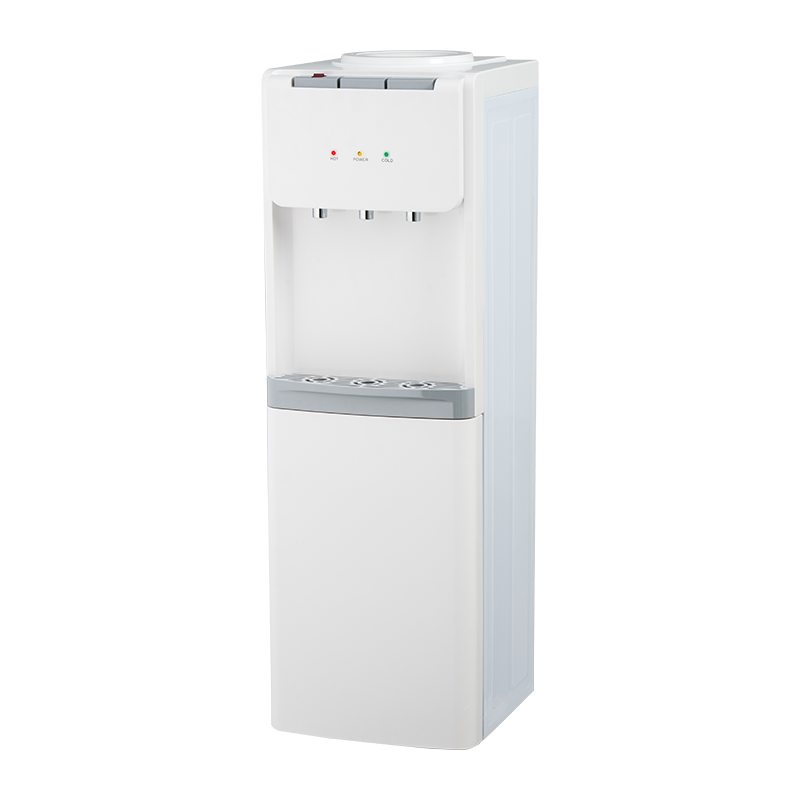
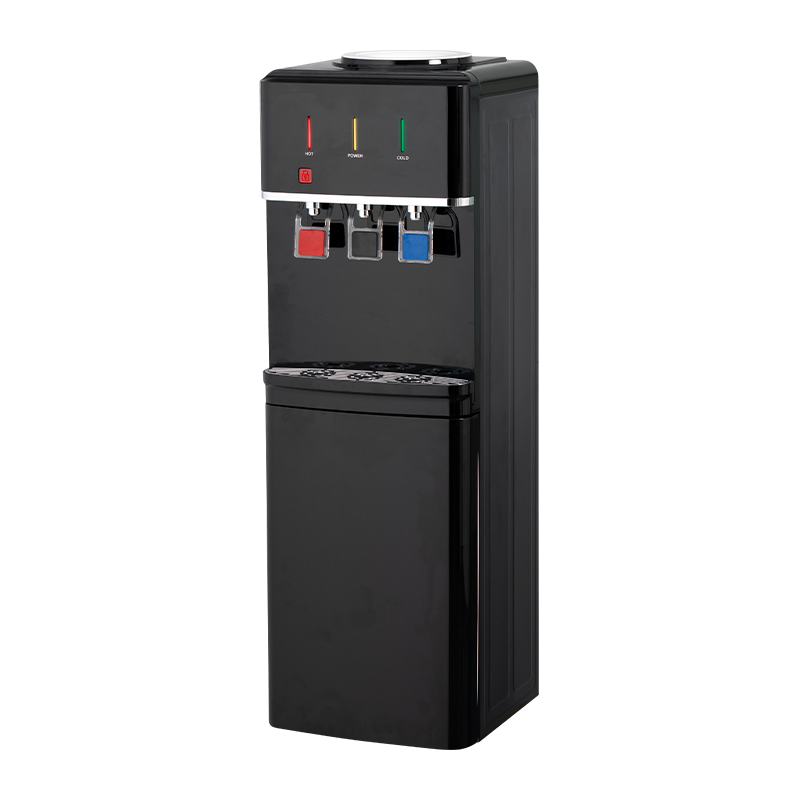
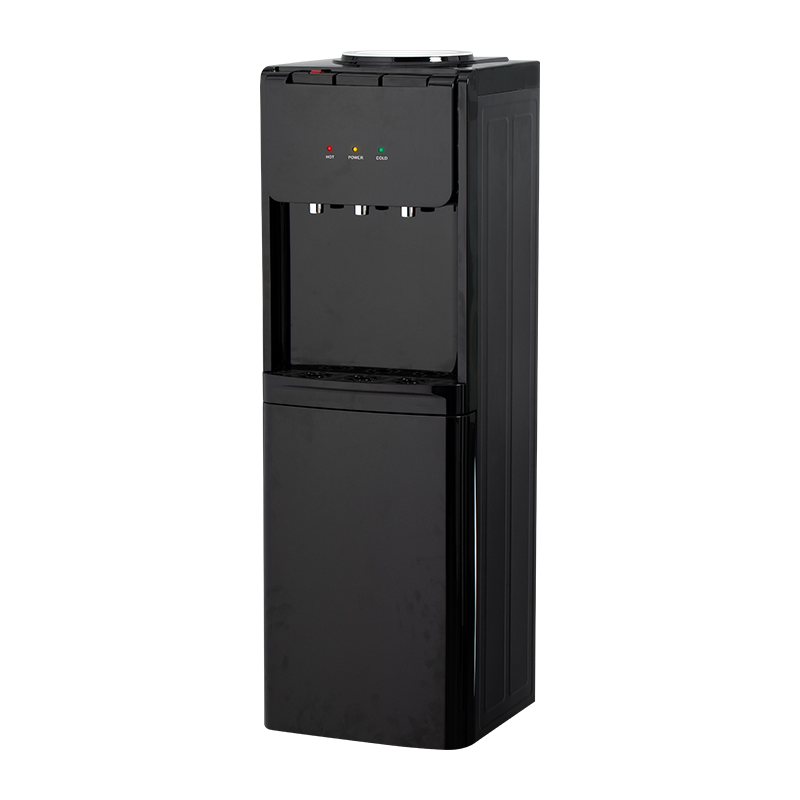
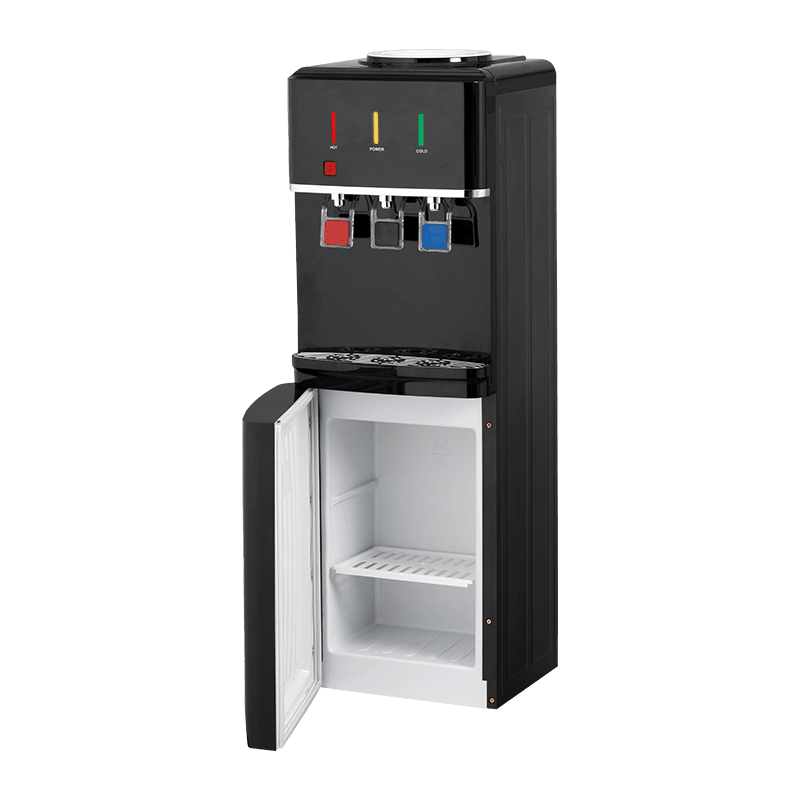
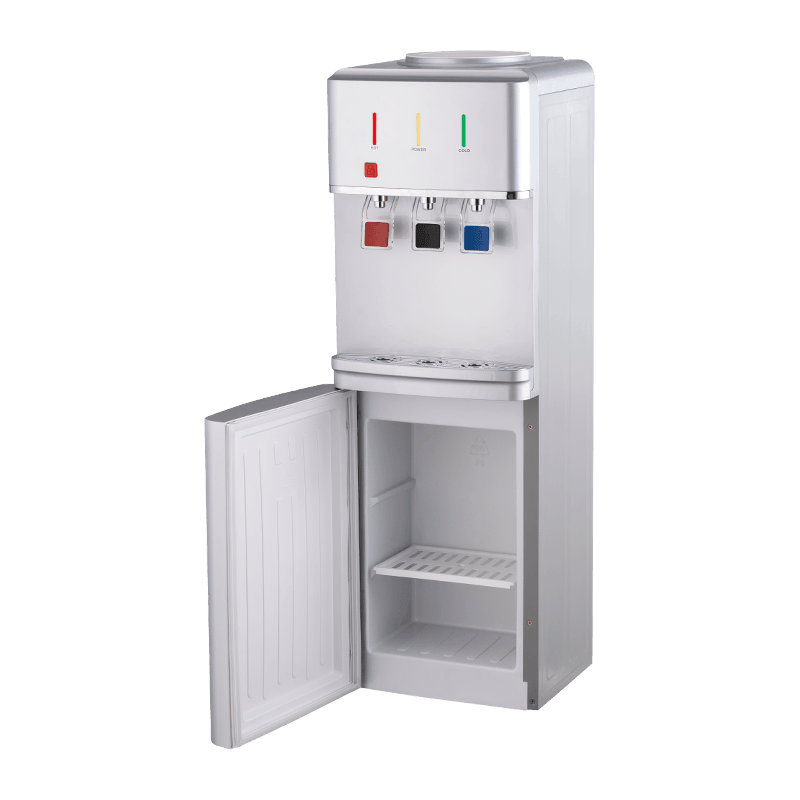
One of the primary benefits of a vertical water dispenser is its ability to optimize space, particularly in environments where counter or floor space is at a premium. Whether you’re working with a small kitchen, a cramped office, or a commercial space, the vertical design of these dispensers allows for maximum utilization of available space, making them a practical and efficient choice.
The Importance of Space Efficiency in Modern Environments
As living and working spaces continue to get smaller, especially in urban areas, the need for space-saving solutions has never been greater. Homeowners, renters, and business owners are all looking for ways to make the most of the limited space available to them. A vertical water dispenser offers a simple yet effective solution to this problem by providing all the benefits of a traditional water dispenser, but with a much smaller footprint.
Many people in apartments or small offices find it challenging to accommodate large appliances. Traditional water dispensers, which tend to be bulky and horizontal, require a substantial amount of counter or floor space to function properly. In contrast, the vertical design of these dispensers takes up minimal horizontal space while still offering ample water storage capacity. This is especially important in rooms with already limited space for other essential items like kitchen appliances or office furniture.
How Vertical Design Saves Horizontal Space
A traditional water dispenser often requires a significant amount of horizontal space, with large bottles or water tanks placed on top of the unit. These designs can make your counter look cluttered and may limit the amount of other appliances you can place around it. In comparison, a vertical water dispenser uses an upright design that takes up significantly less horizontal area.
Key Space-Saving Features:
- Slim Profile: Vertical dispensers typically have a slim, compact profile, making them much easier to fit into smaller spaces.
- Built-In Storage: Many vertical models are designed to hide the water storage within the unit, preventing the need for bulky water bottles sitting on top or beside the dispenser.
- Efficient Use of Vertical Space: By standing upright, the vertical dispenser uses vertical space efficiently, which is often underutilized in many environments.
In spaces like offices, kitchens, or break rooms, where every inch counts, a vertical water dispenser makes it possible to maintain access to fresh water without taking up unnecessary space. This feature makes these dispensers ideal for high-traffic areas, where multiple people may need access to water at different times throughout the day.
Maximizing Room for Other Furniture or Appliances
When space is limited, it’s essential to make room for all the necessary appliances and furniture. A vertical water dispenser helps you achieve that by reducing the footprint of the appliance itself. For instance, in a kitchen where you may already have a refrigerator, microwave, and stove, placing a bulky traditional water dispenser on the counter could significantly limit your available workspace. A vertical dispenser, on the other hand, allows you to free up space for other appliances or even more counter space for food preparation.
In office environments, where space is often shared and may be more cramped, a vertical water dispenser can be placed in a corner or along a wall, making it a discreet yet accessible feature. This layout ensures that you don’t sacrifice the functionality of the space while still providing a convenient water source for employees, clients, or guests.
Vertical Water Dispensers in Small Kitchens
Small kitchens are a common challenge in many modern homes, especially in apartments or urban areas. In these environments, people often struggle with finding places to store essential appliances while still maintaining a clean and organized space. Traditional water dispensers with large water bottles can quickly dominate the available counter space, making the kitchen feel more cluttered.
A vertical water dispenser’s compact and streamlined design solves this issue. These dispensers can be placed against a wall or tucked into unused corners, freeing up counter space for food prep or other tasks. In fact, some vertical water dispensers are designed with additional features like storage compartments, allowing you to store cups or cleaning supplies within the unit itself. This feature further maximizes space by eliminating the need for extra shelves or cabinets.
Vertical Water Dispensers in Office Spaces
Office spaces are another area where vertical water dispensers excel in space optimization. Many offices, especially those in urban settings, have limited square footage and multiple employees sharing common areas. A vertical water dispenser fits perfectly in these environments due to its slim design, which allows it to be placed discreetly in a corner or against a wall, without disrupting the flow of the office.
Benefits for Office Environments:
- Reduced Clutter: Traditional water dispensers, which may require bulky water bottles or large reservoirs, can make office break rooms look untidy. Vertical dispensers, on the other hand, maintain a clean and professional appearance.
- Easy Accessibility: With a vertical design, everyone in the office can have easy access to fresh water, whether they’re seated at their desks or in the break room.
- Increased Productivity: Having a convenient water source available encourages employees to stay hydrated, which can contribute to overall well-being and productivity.
Ideal for Commercial Spaces and Waiting Rooms
In commercial spaces, like waiting rooms or customer service areas, a vertical water dispenser offers both practicality and space efficiency. These areas often have high foot traffic and need to accommodate many people at once. A traditional dispenser with a large water bottle on top can take up valuable floor space or create obstacles in already crowded rooms.
A vertical water dispenser, however, can fit neatly in corners or along walls, providing easy access to water without interfering with the flow of people in and out of the space. Whether you’re in a healthcare facility, a retail store, or an office, the vertical design allows you to maintain a clean and organized look while ensuring that your customers or clients can stay hydrated.
2. Efficient Water Storage in Vertical Water Dispensers
Vertical water dispensers are not only compact and space-efficient, but they also offer significant improvements in water storage. By incorporating larger water tanks or bottles, these dispensers can hold more water than traditional countertop models. This feature reduces the need for frequent refills, making them an ideal choice for high-demand areas such as offices, break rooms, and even homes with multiple users. Additionally, some vertical water dispensers are designed to operate without the need for bottled water, connecting directly to a water line for continuous, on-demand access.
Why Efficient Water Storage Matters
Water dispensers are an essential part of many workplaces and homes, but they often require regular maintenance and refills to ensure there’s enough water available. Traditional countertop dispensers typically have smaller storage capacities and need to be refilled more frequently, which can be time-consuming and inconvenient. In contrast, vertical water dispensers are designed with larger water tanks or bottles, offering several advantages:
- Reduced Maintenance: Larger water storage means fewer refills, saving both time and effort.
- Continuous Access: With larger storage, users have access to more water at once, reducing the chance of running out during peak usage times.
- Cost-Effective: For environments that require a lot of water, having a larger storage capacity reduces the need to purchase bottled water regularly.
By improving water storage, vertical water dispensers make it easier for users to stay hydrated without worrying about constant refills.
Larger Water Tanks and Bottles
One of the primary ways vertical water dispensers improve water storage is through the use of larger tanks or bottles. These models often feature 3-gallon or 5-gallon tanks, significantly larger than the typical 1-gallon or 2-gallon tanks used in countertop models. This increased capacity means that users can store more water at once, resulting in less frequent refills.
Advantages of Larger Water Tanks:
- Less Frequent Refills: Larger storage capacities reduce the need for frequent refills, making vertical water dispensers ideal for environments where water consumption is high.
- Convenience: Having a larger water tank means users don’t have to constantly monitor the water level, which can be a hassle in busy offices or households.
- Cost Efficiency: For high-demand spaces, using larger water tanks can reduce the need to buy bottled water frequently, saving money over time.
Bottle-less Water Dispensers: A Game-Changer
Another key feature of some vertical water dispensers is the ability to operate without bottled water altogether. These models connect directly to a water line, providing a continuous, on-demand water supply. Bottle-less dispensers eliminate the need for large water bottles, making them more convenient and environmentally friendly. The water is sourced directly from the building’s plumbing system and is filtered to ensure purity and cleanliness.
Key Benefits of Bottle-less Water Dispensers:
- Unlimited Water Supply: Bottle-less dispensers offer an unlimited supply of water, ensuring that users always have access to fresh water without worrying about running out.
- Environmentally Friendly: By eliminating the need for bottled water, these dispensers help reduce plastic waste and are a more sustainable option.
- Lower Operating Costs: Although bottle-less dispensers may have a higher initial installation cost, they save money over time by eliminating the need to purchase bottled water regularly.
- Consistent Water Quality: Many bottle-less dispensers come with built-in filtration systems that ensure the water remains clean and safe for consumption. The filtration process removes impurities, such as chlorine, heavy metals, and other contaminants, providing high-quality water straight from the tap.
How Vertical Dispensers Improve Water Access in High-Demand Areas
In environments such as offices, commercial kitchens, and waiting rooms, having a reliable and efficient water supply is essential. High-demand spaces require dispensers that can handle multiple users throughout the day, often simultaneously. Vertical water dispensers with large storage tanks or bottle-less functionality address this need by providing consistent access to water, even during peak times.
Benefits in High-Traffic Environments:
- Fast Dispensing: Vertical dispensers with larger tanks ensure that water is dispensed quickly and efficiently, even in busy environments.
- Reduced Downtime: With larger storage capacities, vertical dispensers are less likely to run out of water during peak hours, reducing downtime for refills.
- Ease of Use: These dispensers are often designed with user-friendly features, such as intuitive touchpads or buttons, allowing employees or customers to access water without delays.
Comparing Water Storage Capacities: Vertical vs. Traditional Dispensers
The storage capacity of a water dispenser plays a significant role in determining its overall efficiency and convenience. To highlight the difference in water storage between vertical and traditional countertop dispensers, let’s compare the two in the table below.
| Feature | Vertical Water Dispenser | Traditional Countertop Dispenser |
|---|---|---|
| Storage Capacity | 3-5 gallons or direct plumbing connection | 1-2 gallons |
| Refill Frequency | Less frequent, due to larger capacity or bottle-less operation | More frequent, requiring bottle replacement |
| Water Supply | Continuous (for bottle-less models) | Limited by bottle size |
| Maintenance Requirements | Low, less frequent refills and minimal monitoring | Higher, frequent bottle changes |
| Environmental Impact | Low (especially bottle-less models) | High, due to disposable bottles |
| Cost | Higher initial cost (for bottle-less) but lower long-term cost | Lower initial cost, but higher ongoing costs (buying bottles) |
As the table shows, vertical water dispensers offer much larger storage capacities and are more efficient in terms of long-term costs. Bottle-less models also reduce environmental impact and eliminate the need for frequent bottle changes.
How Vertical Dispensers Enhance Convenience and Efficiency
Vertical water dispensers with larger tanks or bottle-less functionality offer convenience by reducing the need for constant monitoring and refilling. In high-traffic spaces, such as offices or break rooms, the ability to access water quickly without interruptions is crucial. With a vertical dispenser, employees or customers don’t need to wait for a bottle to be changed or worry about running out of water in the middle of the day.
Furthermore, many vertical dispensers feature ergonomic designs that make it easy for users to access water, whether they’re standing or sitting. Some models even offer temperature control options, allowing users to choose between hot, cold, or room temperature water, further increasing convenience.
3.Easy Access and Dispensing
Vertical water dispensers have become increasingly popular for their practical and ergonomic design, making them an ideal solution for homes, offices, and public spaces. These dispensers are designed with user comfort and accessibility in mind, allowing users to easily access water without bending down or stretching.
User-Friendly Interface for Easy Access
One of the key advantages of vertical water dispensers is their user-friendly interface, which ensures that the device is easy to operate. These dispensers typically feature a simple control panel located at eye level or within easy reach, making it convenient for users of all ages. The controls are designed to be intuitive, with clearly labeled buttons or touchscreens, allowing users to quickly select their desired water temperature or other settings.
Accessibility for People with Mobility Issues
Vertical dispensers are particularly beneficial for individuals with mobility challenges. For those who may have difficulty bending down to reach a traditional horizontal water cooler or dispenser, the vertical design solves this problem by positioning the water dispensing area at a comfortable height. This is especially helpful for seniors, people with physical disabilities, or anyone who might find it hard to squat or lean forward to access water.
Many vertical dispensers are also designed with wider, more stable bases, which further reduce the need for bending. This feature adds an extra level of safety, ensuring that the dispenser remains firmly in place while in use. Additionally, these dispensers often come equipped with anti-slip feet or rubberized pads, providing further stability, which is important for those who rely on mobility aids such as walkers or canes.
Multiple Temperature Settings for Versatility
Another notable feature of vertical water dispensers is the ability to provide multiple water temperatures. Whether users need cold, hot, or room temperature water, these dispensers cater to a wide range of needs, offering flexibility and convenience. Below, we discuss the benefits of having various temperature options available at the touch of a button.
Cold Water
Cold water is a must during hot weather, and vertical dispensers are capable of cooling water to refresh users quickly. The refrigeration system in these dispensers ensures that the water remains at the optimal temperature for drinking. Whether you’re coming in from the heat or need a quick hydration boost, a cold glass of water can be dispensed in seconds.
Hot Water
For those who enjoy tea, coffee, or other hot beverages, having access to hot water is a game-changer. Many vertical dispensers offer water at various hot temperature settings, ranging from warm to near-boiling, making them suitable for preparing drinks or even quick meals. This is particularly useful in office environments or homes where hot beverages are frequently consumed throughout the day.
Room Temperature Water
Some users prefer water that is neither too cold nor too hot, and the room temperature option is perfect for those seeking a neutral water temperature. The ability to dispense room temperature water is also useful for certain cooking applications, such as when preparing recipes that require water to be at a specific temperature.
Ergonomic Design for Convenience
The ergonomic design of vertical dispensers extends beyond ease of access to the water taps. These dispensers are designed to be space-efficient, making them ideal for both large and small spaces. Their vertical layout allows them to take up minimal floor space while offering maximum functionality. Furthermore, the design often incorporates a sleek and modern appearance, making the dispensers not only practical but also an attractive addition to any room.
Additional Features for Enhanced User Experience
Many vertical dispensers come with a variety of additional features designed to enhance the overall user experience. These include:
- Water Filter Systems: Some models feature built-in water filtration systems to improve the taste and quality of the water, ensuring that users always have access to clean, fresh water.
- Child Safety Locks: Hot water dispensers often include a safety lock to prevent accidental dispensing of hot water, which is particularly important in homes with young children.
- Refill Indicator Lights: Many dispensers are equipped with indicator lights or alarms that notify users when the water level is low, ensuring that the dispenser never runs dry.
- Energy-Efficient Technology: Some models include energy-saving features that automatically turn off the cooling and heating systems when not in use, reducing electricity consumption.
Benefits of Vertical Water Dispensers in Different Settings
Vertical dispensers are not only perfect for home use but are also a great addition to offices, gyms, and public spaces. Below is a table summarizing the key advantages of vertical dispensers in various environments.
| Setting | Benefits of Vertical Dispensers |
|---|---|
| Home | Convenient access to water, easy for families and seniors to use, multiple temperature options for various needs (drinking, cooking, etc.). |
| Office | Ideal for quick hydration during work hours, hot water for coffee and tea, reduces the need for employees to leave their desks. |
| Gym/Health Clubs | Encourages hydration post-workout, easy-to-access water at an ergonomic height, multiple temperature settings for post-exercise recovery. |
| Public Spaces | User-friendly for a wide range of people, compact design, accessible for all ages and abilities. |
4.Clean and Organized Look
A key selling point of vertical water dispensers is their ability to contribute to a cleaner, more organized space. With their sleek and modern design, these dispensers stand out as both functional and aesthetically pleasing additions to any home, office, or public environment. Unlike traditional dispensers that often feature bulky water bottles sitting on top of the unit, vertical dispensers typically have their water storage integrated inside the unit. This design not only enhances the overall appearance of the dispenser but also helps keep the surrounding area neat and free from visible clutter.
Sleek and Modern Design
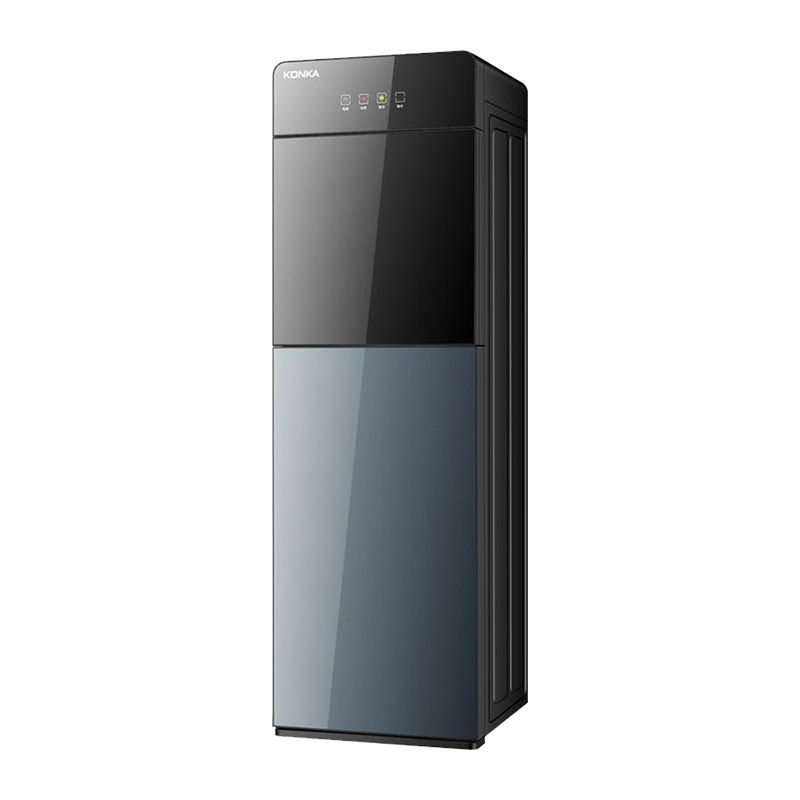
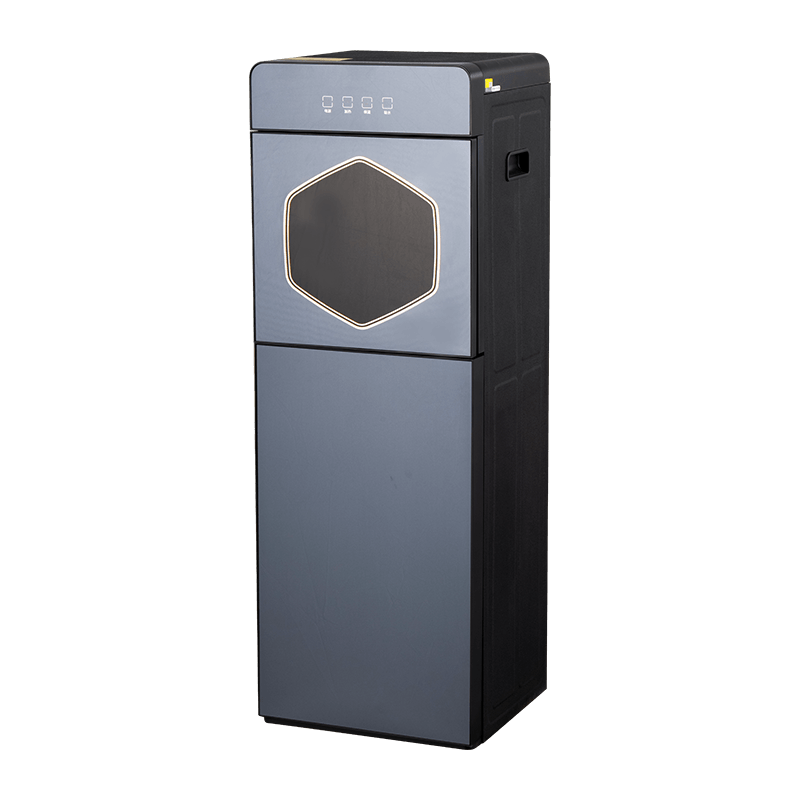
Vertical dispensers are designed with aesthetics in mind. Their slim, vertical structure gives them a modern, stylish look that blends seamlessly with contemporary interiors. Whether placed in a living room, kitchen, office, or commercial space, these dispensers provide a streamlined appearance that doesn’t disrupt the flow of the room. Their compact size and clean lines make them ideal for small spaces where traditional dispensers might seem out of place.
Integrated Water Storage for a Tidy Appearance
Traditional water dispensers often rely on large, visible water bottles that sit on top of the unit, which can create a cluttered and untidy look. The water bottles, typically made of plastic, may also accumulate dust, fingerprints, or water stains, further detracting from the overall aesthetic of the space.
Vertical dispensers, on the other hand, solve this problem by hiding the water storage inside the unit. This internal storage system ensures that the water bottle is out of sight, leaving the exterior of the dispenser looking neat and clean. In addition, many vertical dispensers are designed to accommodate standard-sized water bottles, which can be easily replaced when empty, without the need for complicated handling or refilling.
The integration of water storage within the unit also eliminates the risk of accidental spills or leaks from exposed water bottles, ensuring that the surrounding area remains dry and tidy. This is particularly important for spaces where cleanliness and organization are a priority, such as kitchens or office environments.
Space-Saving and Efficient Design
One of the most significant advantages of vertical dispensers is their space-saving design. Traditional horizontal dispensers often take up considerable floor space, especially with large water bottles positioned on top. These dispensers can feel bulky and overwhelming, especially in smaller rooms or apartments where every inch of space is valuable.
Vertical dispensers, in contrast, take up minimal floor space due to their vertical orientation. This makes them ideal for areas where space is limited, such as tight kitchens, offices, or waiting rooms. The slim profile allows them to be placed in corners or alongside other furniture without creating a sense of clutter. Whether you’re working with a compact office or a small apartment, a vertical water dispenser can fit seamlessly into the environment without dominating the room.
Clean Design for a Professional Environment
In professional settings such as offices or commercial spaces, maintaining a clean, organized look is essential. Vertical dispensers contribute to a polished, sophisticated atmosphere by eliminating the need for bulky water bottles or containers. They present a more streamlined, professional appearance compared to traditional models.
By hiding the water storage inside the unit, vertical dispensers also help reduce the visual clutter that comes with storing large bottles or jugs. This allows the space to maintain a minimalist design, focusing on functionality and style. In high-traffic areas like lobbies, reception areas, or break rooms, a vertical water dispenser can provide easy access to drinking water without detracting from the room’s overall decor.
Hygienic Considerations
Another important aspect of the clean look of vertical dispensers is hygiene. Traditional water dispensers with exposed bottles can sometimes gather dust or dirt on their surfaces, especially around the bottle neck or rim. These areas require frequent cleaning to ensure the water remains clean and safe to drink.
Since vertical dispensers hide the water storage inside the unit, they reduce the chances of dust and debris accumulating around the bottle. The sealed design of these dispensers also minimizes the risk of contamination, making them a more hygienic option. This is particularly valuable in environments such as healthcare facilities, schools, or foodservice establishments, where cleanliness is of the utmost importance.
Integration with Room Design
Vertical dispensers are often designed with aesthetics in mind, making them easy to integrate into the overall design of a room. Many models come in neutral colors such as white, black, or silver, allowing them to blend seamlessly with a variety of interior styles. Whether your room features a modern, industrial, or traditional design, there is likely a vertical dispenser that complements the look.
Some models even feature customizable finishes or materials, such as stainless steel, wood veneer, or glass, to match the specific décor of the space. This flexibility allows users to choose a dispenser that aligns with their style preferences and enhances the overall atmosphere of the room.
Below is a table comparing the differences between traditional and vertical water dispensers in terms of design and organization:
| Feature | Traditional Dispensers | Vertical Dispensers |
|---|---|---|
| Water Storage | Visible water bottles on top or side | Water storage hidden inside the unit |
| Size and Shape | Bulky, horizontal design | Slim, vertical design |
| Clutter | Often creates visual clutter | Clean, organized look |
| Space Efficiency | Takes up more floor space | Minimal floor space required |
| Hygiene | Potential for dust and stains around bottles | Reduced dust accumulation, sealed design |
| Integration with Room Décor | Can be bulky and intrusive | Easily integrates with various interior styles |
5.Improved Water Quality Control
As concerns about water quality continue to rise, having access to clean, purified water is more important than ever. Advanced vertical water dispensers address these concerns by incorporating built-in filtration systems that ensure the water dispensed is clean, fresh, and free from harmful contaminants. These dispensers provide users with a convenient, cost-effective solution for accessing purified water, eliminating the need for separate filtration pitchers or reliance on bottled water.
The Importance of Water Quality
Water quality can vary significantly depending on the source. Tap water, while generally safe to drink in many regions, may contain impurities such as chlorine, heavy metals, bacteria, or sediment. Over time, exposure to these contaminants can affect not only the taste and odor of water but also pose health risks. Filtration systems help address these concerns by removing or reducing contaminants, ensuring that the water being consumed is safe and refreshing.
In homes and offices, having direct access to clean, filtered water can improve the overall drinking experience. Whether used for hydration, cooking, or preparing beverages like coffee and tea, high-quality water is crucial for ensuring the best taste and safety.
Built-In Filtration Systems for Clean Water
Many modern vertical water dispensers are equipped with built-in filtration systems that work in real-time to purify the water before it is dispensed. These filtration systems typically consist of several stages, each designed to target specific types of contaminants. Some common types of filtration technologies used in vertical dispensers include:
Carbon Filters
Carbon filtration is one of the most common methods used in water dispensers. Activated carbon is highly effective at removing chlorine, volatile organic compounds (VOCs), and other chemicals that can affect water quality. It also improves the taste and odor of the water by absorbing impurities. Carbon filters are particularly useful for reducing the aftertaste often found in chlorinated tap water.
Reverse Osmosis (RO) Filters
Reverse osmosis is a more advanced filtration method that forces water through a semi-permeable membrane to remove a wide range of impurities, including salts, heavy metals, and even some bacteria. RO systems provide a higher level of purification compared to carbon filters alone, ensuring that the water is almost completely free of contaminants.
UV Purification
Ultraviolet (UV) purification systems use UV light to kill bacteria, viruses, and other microorganisms in the water. This method is effective at providing an added layer of protection, particularly in areas where the water may be exposed to biological contaminants.
Sediment Filters
Sediment filters are designed to remove larger particles such as dirt, sand, rust, and other debris that may be present in the water. These filters help to improve the overall clarity of the water and prevent blockages in the dispenser’s plumbing system.
By combining these filtration technologies, vertical water dispensers can provide users with a comprehensive solution for water purification, ensuring that the water is as clean and safe as possible.
Benefits of Accessing Filtered Water Directly from the Dispenser
One of the most significant advantages of vertical dispensers with built-in filtration systems is the convenience of accessing purified water directly from the unit. Unlike using a separate filtration pitcher, where the water must be filtered and then stored, these dispensers offer a continuous supply of filtered water at the touch of a button. This makes it easier than ever to enjoy clean water whenever you need it, without having to worry about maintaining separate filtration systems or constantly refilling pitchers.
Cost-Effectiveness
Using a vertical water dispenser with a built-in filtration system is a cost-effective alternative to purchasing bottled water. The price of bottled water can add up quickly, especially if it is a staple in your household or office. With a filtration system integrated into the dispenser, you eliminate the need for constant water bottle purchases, saving money in the long run.
In addition, the cost of replacing filters in the dispenser is typically much lower than buying bottled water on a regular basis. Most dispensers have filters that need to be replaced every 6 to 12 months, depending on the model and usage, which is a much more affordable option compared to constantly buying bottled water.
Environmentally Friendly
Another benefit of using vertical dispensers with filtration systems is their positive environmental impact. By reducing or eliminating the need for single-use plastic bottles, these dispensers help decrease plastic waste. This is particularly important in today’s world, where plastic pollution is a growing concern. By choosing a dispenser with a built-in filtration system, you contribute to a more sustainable way of accessing clean water.
Filter Replacement and Maintenance
To ensure that the water quality remains consistently high, regular maintenance and filter replacement are required. Fortunately, most vertical dispensers are designed for easy filter replacement. The filter cartridges are typically accessible from the front or side of the unit, and replacing them is a simple process that can be done without professional assistance.
Many dispensers also include filter replacement indicators, which alert users when it is time to change the filter. This ensures that the filtration system continues to operate at peak efficiency, providing users with consistently clean and safe water.
Below is a table summarizing the key filtration methods used in vertical water dispensers:
| Filtration Method | Description | Benefits |
|---|---|---|
| Carbon Filter | Removes chlorine, VOCs, and improves taste and odor | Improves taste and odor, removes chemicals |
| Reverse Osmosis (RO) | Removes salts, heavy metals, and some bacteria | Provides thorough purification, removes a wide range of contaminants |
| UV Purification | Kills bacteria, viruses, and other microorganisms | Added layer of protection, kills harmful microorganisms |
| Sediment Filter | Removes dirt, sand, rust, and debris from water | Improves water clarity, prevents blockages in dispenser plumbing |
6.Convenience for Larger Groups
Vertical water dispensers are a game-changer when it comes to catering to larger groups of people. Their larger water reservoirs and efficient design make them ideal for high-demand environments such as busy offices, waiting rooms, cafes, and public spaces. In these settings, ensuring that a continuous supply of clean water is available without the constant need for refilling or water replacements can significantly improve the overall experience for both staff and guests.
Larger Water Reservoirs for High-Demand Environments
One of the primary advantages of vertical water dispensers is their ability to hold larger water reservoirs compared to traditional dispensers. These units are often designed to accommodate large-capacity water bottles or have built-in water tanks that can hold several gallons of water at a time. The large water reservoir is particularly beneficial in environments where water consumption is high, ensuring that there is always a sufficient supply of clean water readily available for everyone.
Offices and Workspaces
In offices with multiple employees, the demand for water can be significant throughout the day. Having a vertical water dispenser with a large water reservoir reduces the need for constant water bottle replacements. This is particularly useful in environments where employees are frequently in meetings or at their desks and may need quick access to hydration without the disruption of having to refill a pitcher or wait for the delivery of bottled water.
The large water capacity of vertical dispensers ensures that there is minimal downtime in between refills, allowing staff to stay hydrated and focused without interruption. In an office with a high turnover of visitors or employees, a dispenser with a larger water reservoir ensures that both employees and guests have easy access to fresh water at all times.
Waiting Rooms and Public Spaces
Waiting rooms, whether in medical offices, salons, or service centers, often have a steady stream of visitors throughout the day. Having a water dispenser with a large reservoir ensures that guests can serve themselves without waiting for a refill. This can improve customer satisfaction by making water readily available without the need for staff involvement.
Additionally, vertical water dispensers are compact and take up minimal floor space, making them ideal for waiting rooms that need to maximize seating or other customer amenities. The large water capacity means fewer interruptions in service, creating a smoother, more efficient experience for everyone.
Cafes and Restaurants
In cafes or restaurants, especially those with high foot traffic, water dispensers that hold a larger volume of water are essential. Customers often need water throughout their visit, whether it’s during meals, while waiting in line, or after enjoying their food. A vertical water dispenser with a large capacity ensures that the water supply is always full, eliminating the need for frequent water bottle replacements or waiting for staff to refill pitchers.
Moreover, in self-service settings, a vertical dispenser with a large water reservoir allows customers to quickly and easily access water without requiring assistance. This helps to streamline operations, reduce wait times, and improve overall customer satisfaction, all of which contribute to a better experience.
Reduced Maintenance and More Time-Saving
One of the most significant benefits of having a vertical water dispenser with a larger reservoir is the reduced maintenance required. Traditional dispensers or water coolers often require more frequent water replacements, especially in high-demand environments. Not only does this take up valuable time, but it can also lead to disruptions in service, as employees or staff members have to stop what they are doing to replace the water bottles.
With a larger water capacity, vertical dispensers minimize the frequency of water replacements. This means that staff can spend less time managing the dispenser and more time focusing on other important tasks. The longer intervals between refills also reduce the likelihood of running out of water during busy periods, ensuring that everyone has access to hydration without any delays.
Consistent Water Quality and Freshness
In environments where large groups of people are regularly accessing the water dispenser, maintaining the freshness and cleanliness of the water is essential. Vertical water dispensers with built-in filtration systems (as mentioned in previous sections) help ensure that the water stays clean and tastes fresh throughout the day, even with a high volume of usage.
Having a large water reservoir equipped with a filtration system means that users always have access to purified water without the need to rely on bottled water or separate filtration pitchers. This is not only more convenient but also more cost-effective in the long term. It also ensures that the quality of the water remains consistent, even as demand increases throughout the day.
Space-Efficiency in High-Traffic Areas
Another advantage of vertical water dispensers is their space-efficient design. These dispensers typically have a compact, vertical structure that makes them ideal for placement in areas with limited space. In busy offices, waiting rooms, or cafes, vertical dispensers can fit into corners or along walls without taking up too much valuable floor space.
This is particularly important in environments where maximizing space is crucial for other amenities, such as seating, product displays, or service counters. The space-saving design of vertical dispensers ensures that they meet the needs of large groups without crowding the space, allowing for a more organized and comfortable environment.
Below is a table summarizing the benefits of vertical water dispensers for larger groups:
| Setting | Benefits of Vertical Dispensers |
|---|---|
| Office/Workspace | Large water reservoir reduces need for frequent replacements, ensures employees and visitors have constant access to water, saves time for staff. |
| Waiting Rooms/Public Spaces | Reduces interruptions in service, provides a self-serve option for guests, space-saving design fits in tight areas. |
| Cafes/Restaurants | High water demand is easily met, allows customers to self-serve, reduces staff workload, enhances customer satisfaction. |
7.Enhanced Safety Features
Vertical water dispensers not only offer convenience and efficiency but also come equipped with enhanced safety features that ensure the safety and well-being of users. These safety mechanisms are particularly important in environments where children, elderly individuals, or vulnerable people are present. Among the most common safety features in vertical dispensers are child locks for hot water taps, automatic shut-off systems, and non-slip bases. These features work together to minimize the risk of accidental burns, spills, or misuse, making vertical dispensers a safer option for homes, offices, and public spaces.
Child Locks for Hot Water Taps
One of the most important safety features in vertical water dispensers is the child lock for hot water taps. Hot water dispensers can heat water to temperatures that are ideal for making beverages like tea, coffee, or instant soup. However, these temperatures can also pose a risk of burns or scalds, especially if a child accidentally accesses the hot water tap.
Why Child Locks Are Essential
Accidental spills and burns are a serious concern, especially in homes with young children. According to safety experts, burns from hot water are one of the most common household injuries, and children are especially vulnerable. The ability to access boiling or near-boiling water quickly and without supervision can result in painful injuries. Vertical water dispensers equipped with child lock features address this concern by preventing children from accessing the hot water tap unless the lock is deactivated with a special button or safety mechanism.
Most child lock systems require two separate actions to dispense hot water. For example, users may need to simultaneously press two buttons or turn a knob in a specific way to unlock the hot water function. This makes it more difficult for children to accidentally dispense hot water and helps to keep them safe.
Ideal for Family Environments
For families with small children, having a vertical water dispenser with a child lock on the hot water tap is essential for peace of mind. Parents can be confident that their children cannot access hot water on their own, reducing the risk of injury. In homes where children are curious and may attempt to use the dispenser unsupervised, this added layer of safety is a crucial feature.
Automatic Shut-Off Systems
Another safety feature found in some vertical water dispensers is the automatic shut-off system. This mechanism ensures that the dispenser stops dispensing water once the set amount is reached or if the water supply runs out. Automatic shut-off features are particularly useful in preventing water overflow or flooding that can occur if the dispenser is inadvertently left running.
Preventing Overflow and Spillage
In busy environments like offices, cafes, or public spaces, users may occasionally forget to turn off the water after dispensing. In these cases, an automatic shut-off system ensures that the water stops flowing once the desired amount is dispensed, preventing excessive water from spilling onto the floor. This is especially important for maintaining cleanliness and preventing potential slip hazards in high-traffic areas.
Safety During Operation
Automatic shut-off systems are also designed to prevent the dispenser from running dry or malfunctioning. For example, if the unit detects that the water level is too low, it will automatically turn off the dispensing mechanism. This feature helps to protect the dispenser’s internal components and ensures that users always receive clean water without worrying about the system running out of water mid-use.
Non-Slip Bases for Stability
Many vertical water dispensers come equipped with non-slip bases that prevent the unit from tipping over or sliding during use. This is particularly important in environments where the dispenser may be accessed frequently, such as in offices or cafes, or where the dispenser is placed on a smooth surface like tile or hardwood.
Why Non-Slip Bases Are Important
Water dispensers, especially those with large water reservoirs, can become top-heavy and prone to tipping over if not properly stabilized. A fall or tip-over can cause not only a mess but also significant damage to the dispenser or surrounding equipment. The presence of a non-slip base ensures that the dispenser stays securely in place while in use, reducing the likelihood of accidents or damage. This is particularly important in busy environments where people may be reaching for water while distracted or in motion.
Temperature Control Features for Safety
Some vertical water dispensers are also equipped with temperature control features that allow users to set specific water temperatures. This ensures that the water is dispensed at the desired temperature without the risk of it being too hot or too cold.
Customizable Temperature Settings
For households with both children and adults, customizable temperature settings provide flexibility in meeting everyone’s needs. Parents can set the hot water to a safe temperature for making tea or coffee, while also ensuring that the water is not scalding hot. This feature helps to avoid accidental burns from water that is too hot while still providing convenient access to the right temperature for different purposes.
Prevents Scalding from Hot Water
When a vertical water dispenser offers precise temperature controls, it also eliminates the risk of scalding or burning, particularly when water is dispensed at extremely high temperatures. Some dispensers are designed with multiple temperature settings, including options for room temperature, cold, or warm water. These settings give users more control and ensure that they are always dispensing water at the ideal temperature for their needs, without having to worry about it being dangerously hot.
Other Safety Features
In addition to the features mentioned above, there are several other safety mechanisms that can be integrated into vertical water dispensers:
- Leak Detection Sensors: Some advanced models are equipped with sensors that detect water leaks, alerting users to any issues before they become a problem. These sensors help prevent water damage and maintain the safety and functionality of the unit.
- Water Quality Monitoring: Certain dispensers also include built-in monitoring systems that track the quality of the water, ensuring that it remains clean and safe to drink. These sensors can alert users when it’s time to change the filter or when the water quality drops below a certain threshold.
Key Safety Features in Vertical Water Dispensers
| Safety Feature | Description | Benefits |
|---|---|---|
| Child Lock for Hot Water Tap | Requires two actions to dispense hot water | Prevents accidental burns, protects children |
| Automatic Shut-Off System | Stops water dispensing when the set amount is reached or water runs low | Prevents overflow, reduces water waste, protects the dispenser |
| Non-Slip Base | Provides stability to prevent tipping or sliding | Reduces the risk of spills and damage, ensures safe use |
| Temperature Control | Allows users to adjust water temperature settings | Ensures water is at a safe temperature, avoids scalding |
| Leak Detection Sensors | Alerts users to potential water leaks | Prevents water damage, maintains dispenser integrity |
| Water Quality Monitoring | Monitors the water’s quality and alerts users to issues | Ensures safe drinking water, reduces maintenance risks |