English
 Español
 عربى
عربى 中文简体
中文简体

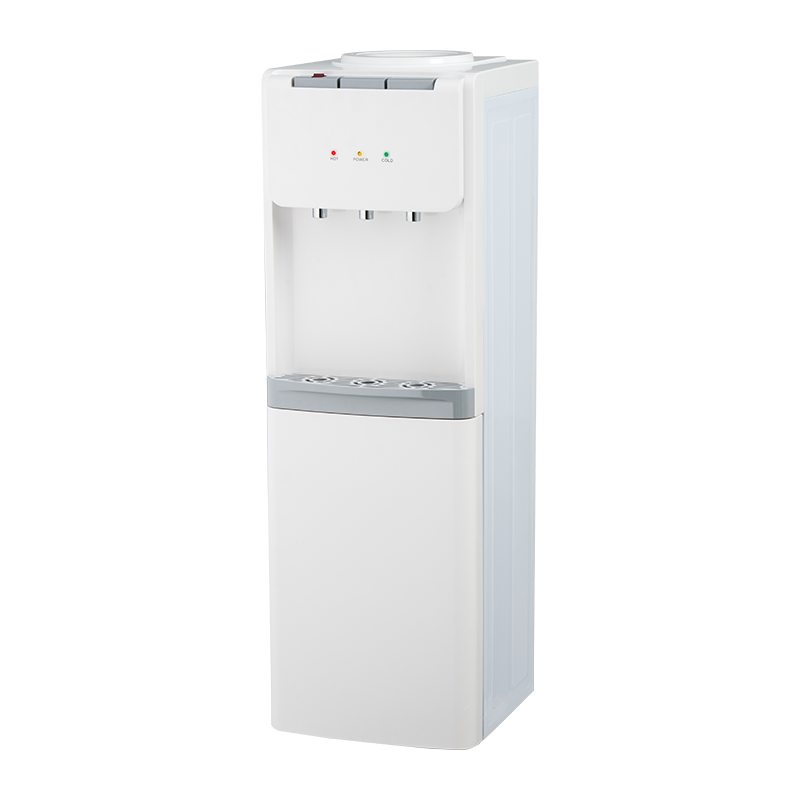
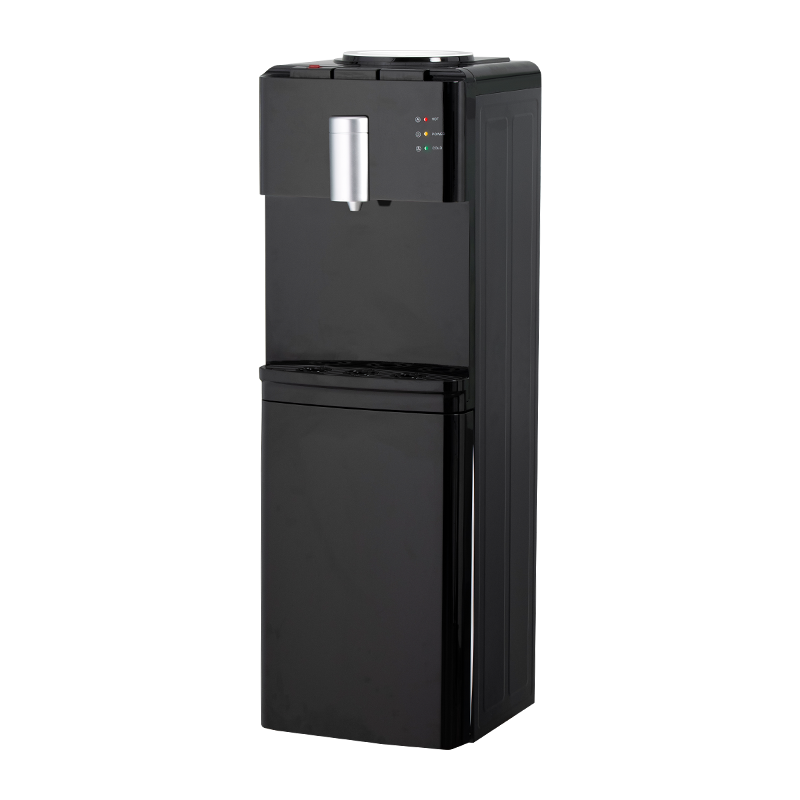
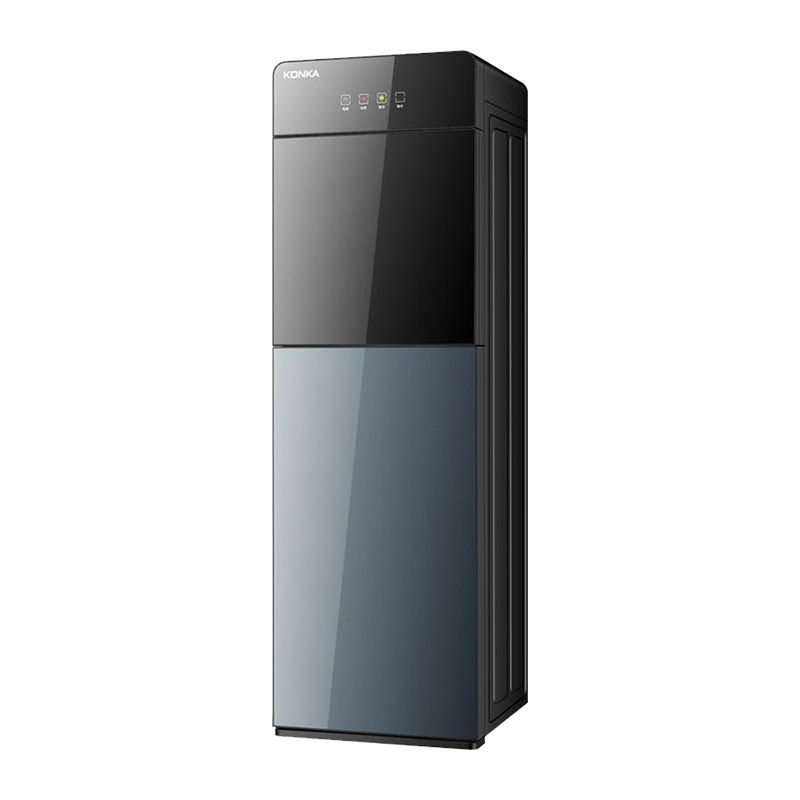
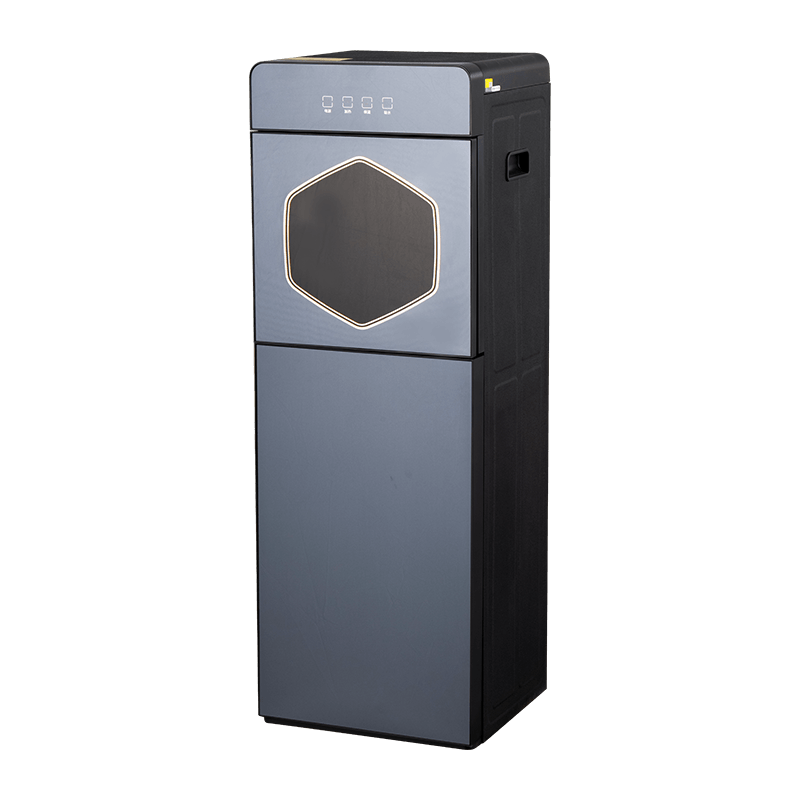
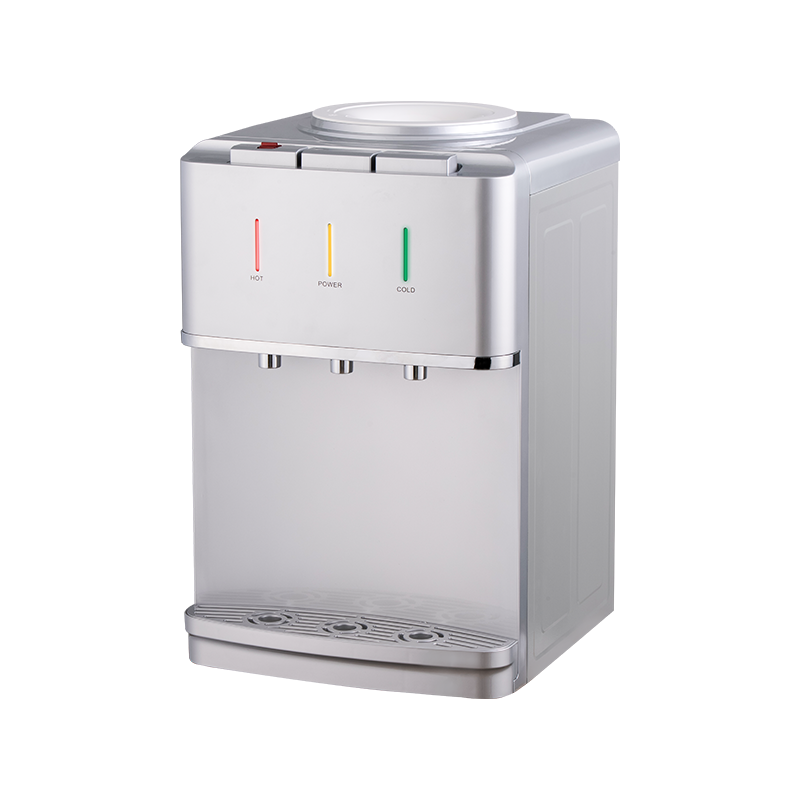
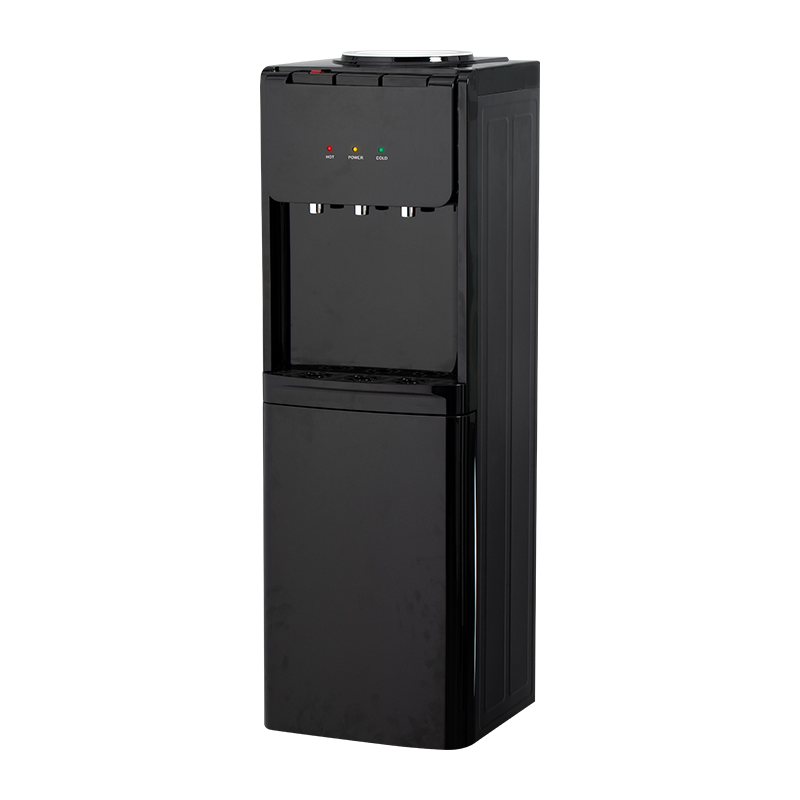
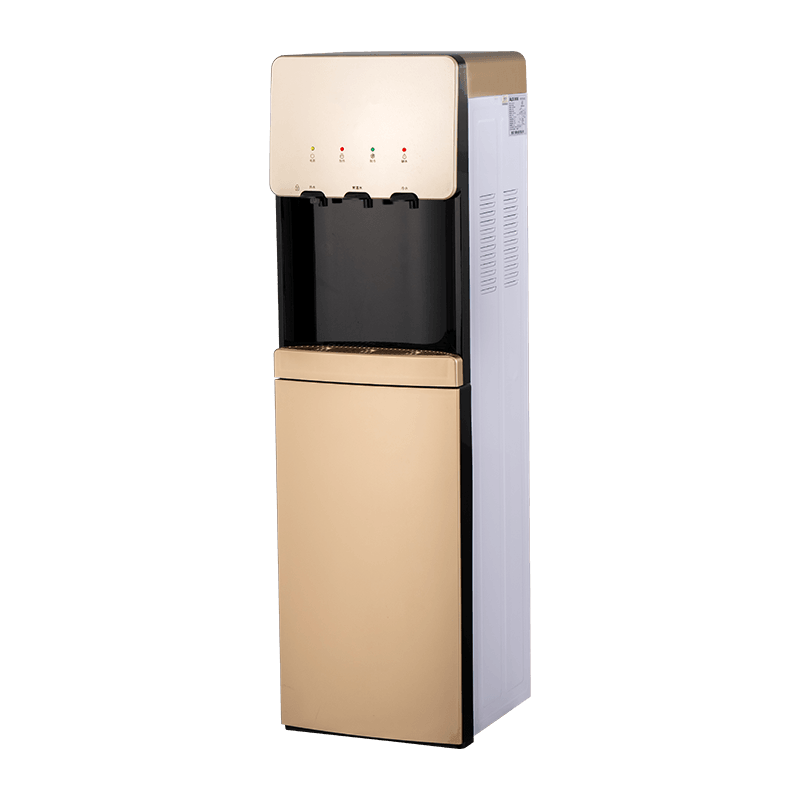
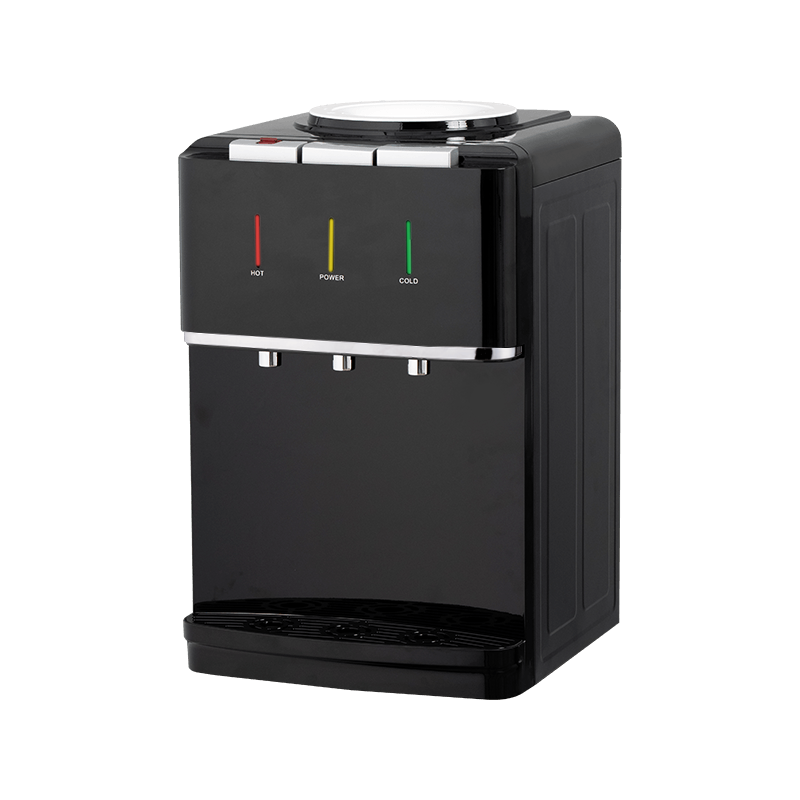
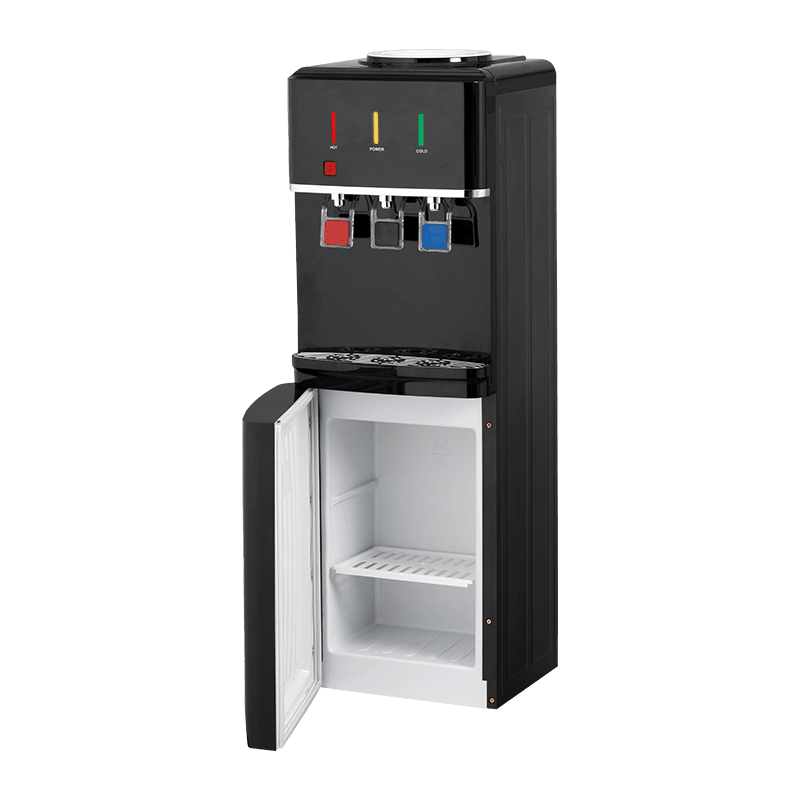
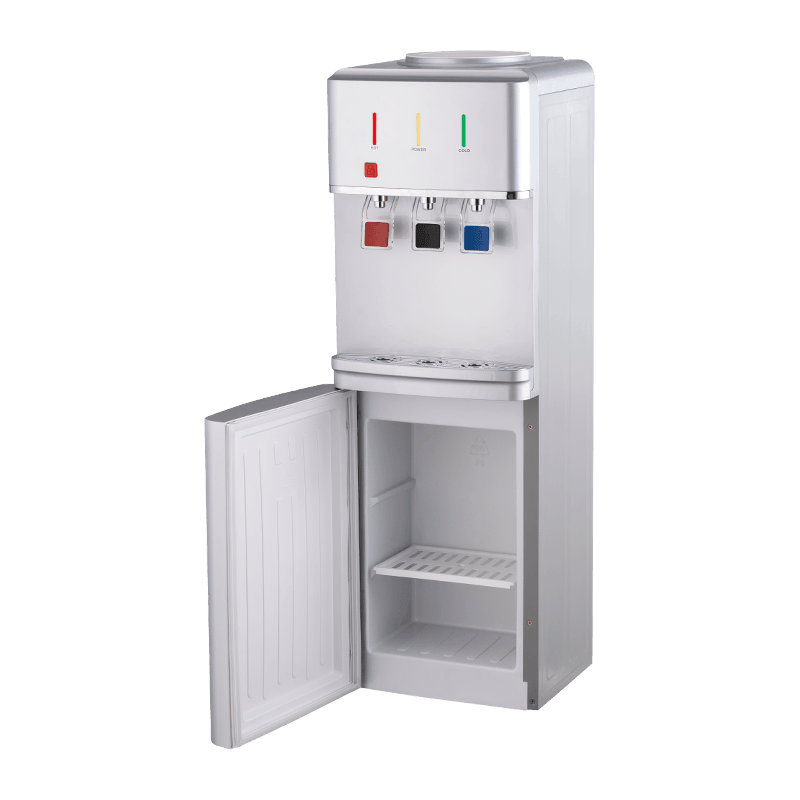
The requirement for consistent, high-volume water access in communal environments has led to the advanced engineering of the Vertical Water Dispenser. Unlike compact counterparts, these full-sized units are designed to house substantial internal reservoirs and high-performance compressors, making them ideal for high-traffic areas such as corporate offices, gyms, and large households. The core design philosophy of a premium Vertical Water Dispenser centers on ergonomic accessibility—specifically through the integration of bottom-loading technology—and industrial-grade thermal isolation. This comprehensive guide details the structural advantages, cooling and heating architectures, and the advanced hygiene protocols that define the performance of modern vertical hydration systems.
|
Technical Category |
Specification Details |
Operational Advantage |
|---|---|---|
|
Loading Configuration |
Bottom-Loading / Hidden Bottle |
Eliminates heavy lifting, enhances aesthetics |
|
Cooling System |
High-Efficiency Compressor Cooling |
Consistent 5°C - 10°C water in high ambient heat |
|
Heating Power |
Internal Heating Element (500W-800W) |
Rapid recovery for continuous 90°C+ output |
|
Reservoir Material |
304 Stainless Steel (Food Grade) |
Prevents corrosion and maintains water purity |
Why Is the Bottom-Loading Architecture the Gold Standard for Modern Vertical Water Dispenser Design?
The most significant structural evolution in the Vertical Water Dispenser category is the transition from top-loading to bottom-loading configurations. This design choice addresses long-standing ergonomic challenges and improves the overall safety and visual appeal of the unit.
-
Ergonomic Accessibility and Safety Protocols: The traditional method of lifting a 5-gallon water bottle and inverting it onto the top of a machine is a primary cause of physical strain and accidental spills. A bottom-loading Vertical Water Dispenser eliminates this requirement entirely. The bottle is stored in a concealed cabinet at the base of the unit, allowing users to slide the heavy jug into place with minimal effort. This low center of gravity also makes the machine significantly more stable, reducing the risk of tipping in environments with high foot traffic or children. From a safety perspective, this configuration prevents the exposure of the water neck to airborne contaminants during the loading process, as the connection is made via a sealed, adjustable suction probe within the cabinet.
-
Aesthetic Integration and Hidden Fluid Management: In a professional office or a modern home kitchen, the visual clutter of a large blue plastic bottle can disrupt the interior design. A hidden-bottle Vertical Water Dispenser provides a sleek, monolithic appearance, with the water jug completely enclosed behind a stainless steel or high-gloss polymer door. Beyond aesthetics, this enclosed environment protects the water from direct sunlight, which is critical for preventing the growth of algae or bacteria within the bottle itself. The internal pump mechanism is engineered for silent operation, utilizing vibration-damping mounts to ensure that the process of drawing water from the base to the dispensing nozzle does not create disruptive noise in quiet work or living spaces.
-
Advanced Pump Durability and Automatic Detection: To facilitate the upward flow of water, the Vertical Water Dispenser relies on a high-cycle electric pump. Quality units feature a self-priming pump system capable of maintaining consistent pressure even as the water level in the bottle decreases. Sophisticated sensors within the base cabinet monitor the water level in real-time, triggering an "Empty Bottle" indicator on the main control panel before the pump runs dry. This protection mechanism prevents air locks and extends the operational life of the pump motor. Furthermore, the suction probes are often designed with a universal fit, ensuring compatibility with various bottle sizes and brands, making the hydration process truly seamless for the end-user.
How Does Compressor-Based Cooling Ensure the Efficiency of a Vertical Water Dispenser?
For high-demand environments, the cooling capacity of a Vertical Water Dispenser is paramount. While smaller units may use electronic (Peltier) cooling, vertical models almost exclusively utilize compressor technology to provide chilled water regardless of the external room temperature.
-
Industrial-Grade Compressor Performance: The cooling heart of a high-performance Vertical Water Dispenser is a hermetically sealed compressor, similar to those found in high-end refrigerators. This system uses environmentally friendly refrigerants (such as R134a or R600a) to rapidly remove heat from the internal cold tank. This allows the dispenser to provide water at a crisp 5°C to 10°C even when the ambient temperature exceeds 30°C. For gyms or large offices where multiple people dispense cold water in rapid succession, the compressor’s high recovery rate is essential. It ensures that the "tenth cup" is just as cold as the first, a feat that smaller, non-compressor units cannot achieve due to their limited thermal dissipation capabilities.
-
Thermal Isolation and Reservoir Engineering: Efficiency in a Vertical Water Dispenser is maintained through superior insulation. The cold water reservoir is typically wrapped in high-density expanded polystyrene (EPS) or polyurethane foam to prevent thermal leakage. The reservoir itself is constructed from food-grade 304 stainless steel, which offers excellent thermal conductivity for cooling while remaining completely inert to ensure no metallic taste is imparted to the water. Some premium models feature a "dual-tank" system, separating the storage of room-temperature and chilled water to minimize the energy required to maintain the cold reservoir's temperature, thereby reducing overall electricity consumption.
-
Variable Temperature Control and Energy Management: Modern users often require different levels of chilling. A sophisticated Vertical Water Dispenser allows for the adjustment of the cold-water thermostat, enabling users to choose between ice-cold water for hydration or slightly chilled water for drinking. To further optimize energy use, many units are equipped with "Smart Eco" modes. These systems use light sensors to detect when an office or home is dark (indicating it is nighttime or unoccupied) and automatically put the compressor into a low-power state. Once the lights are turned on or the machine is approached, the system quickly restores the water to the target temperature, balancing performance with environmental responsibility.
What Hygiene and Safety Features Are Integrated Into the Vertical Water Dispenser to Protect Users?
In shared environments, maintaining the purity of the water and the cleanliness of the dispensing area is a critical technical requirement. A professional-grade Vertical Water Dispenser incorporates multiple layers of protection to ensure the water remains sterile and safe.
-
UVC Sterilization and Biofilm Prevention: Despite the use of bottled water, the internal tanks and tubing of a Vertical Water Dispenser can be susceptible to biofilm accumulation over time. To counteract this, premium units integrate UVC-LED sterilization modules directly into the cold-water tank. These LEDs emit ultraviolet light at a specific germicidal wavelength that destroys the DNA of bacteria, viruses, and molds. The sterilization cycle is usually automated, running every few hours to ensure the water remains fresh and safe. This "active" hygiene approach is far superior to passive systems, providing peace of mind in healthcare facilities, schools, and high-traffic public spaces where water purity is non-negotiable.
-
Anti-Microbial Surfaces and Touchless Dispensing: The external touchpoints of a Vertical Water Dispenser—such as the paddles, buttons, or levers—are often treated with silver-ion antimicrobial coatings. These coatings inhibit the growth of bacteria on the surface, reducing the risk of cross-contamination between users. In response to heightened hygiene awareness, many modern vertical units now feature infrared sensors for touchless dispensing. By simply placing a cup under the nozzle, the machine activates the flow of water, completely eliminating the need for physical contact. This "hands-free" technology is particularly valuable in industrial settings and office kitchens, where it significantly lowers the transmission of pathogens.
-
Precision Heating and Scald Protection Systems: The heating function of a Vertical Water Dispenser must balance rapid delivery with absolute safety. The hot water tanks are designed to reach temperatures of up to 95°C, making them suitable for instant tea, coffee, or soups. To prevent accidental burns, every unit is equipped with a mechanical or electronic "Child Safety Lock" on the hot water tap. This requires a two-step action to dispense hot water. Furthermore, the internal heating elements are monitored by thermal cut-off sensors that immediately shut down power if a boil-dry condition is detected (i.e., if the water bottle is empty). This prevents fire hazards and protects the heating coil from permanent damage, ensuring the device remains a safe addition to any environment.