English
 Español
 عربى
عربى 中文简体
中文简体

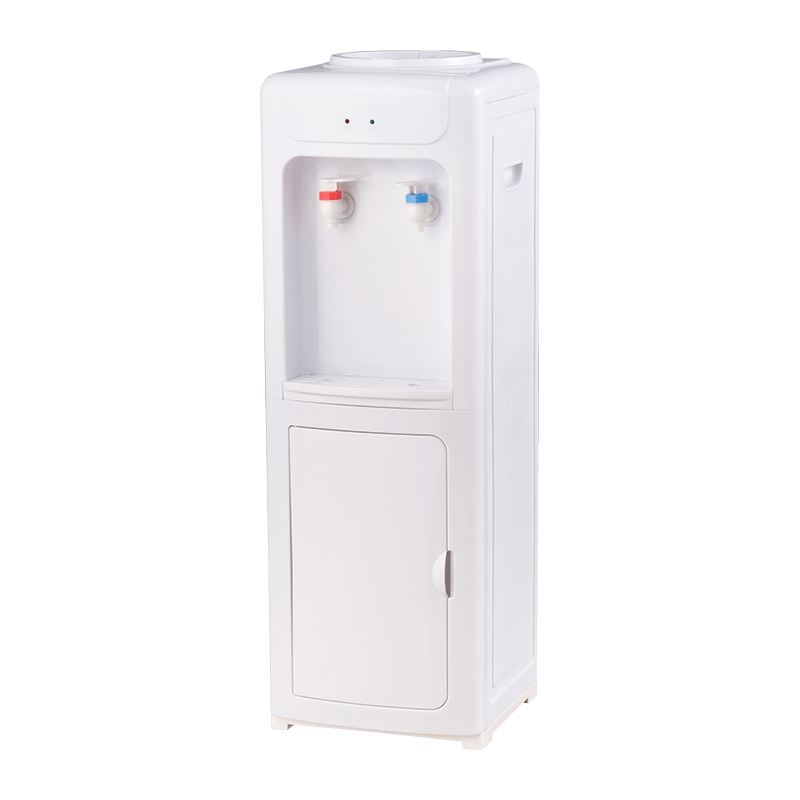
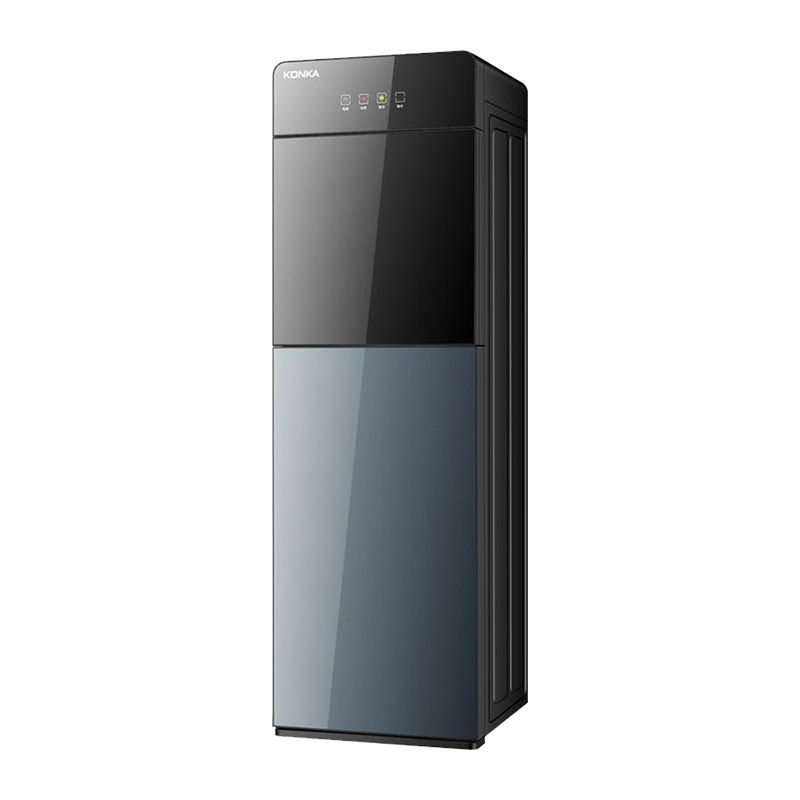
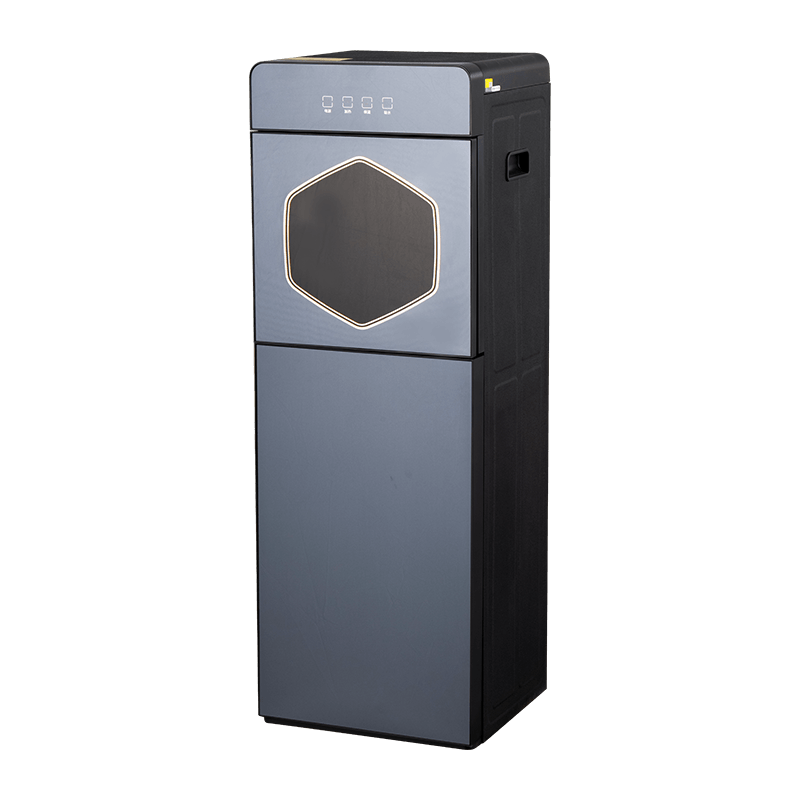
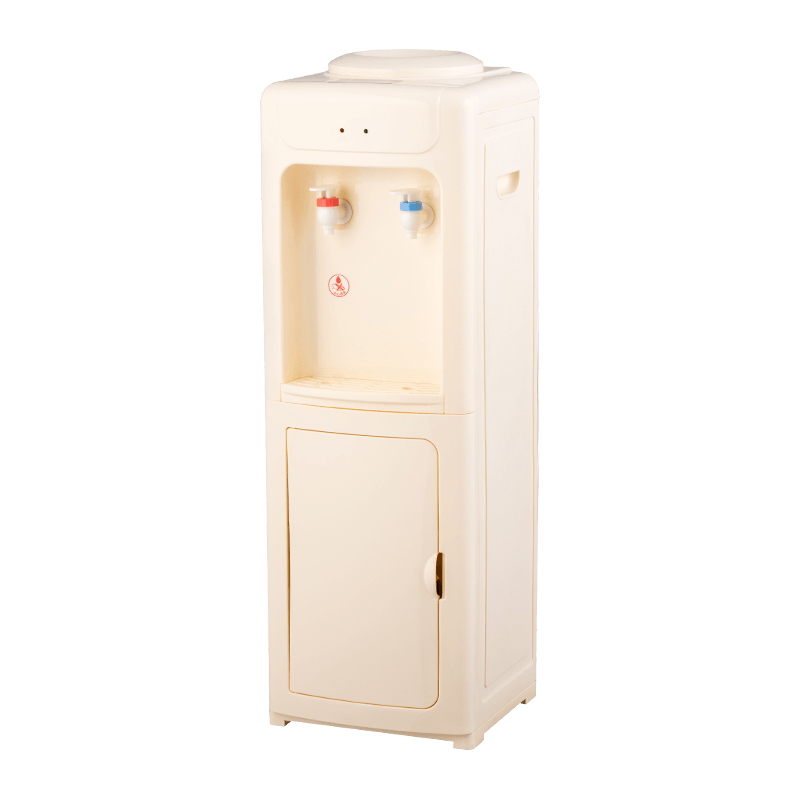
A vertical water dispenser is the better choice for most households and offices — it holds more water, supports both hot and cold functions, and fits neatly in a corner without taking up counter space. However, if you're working with a tight budget or limited floor space, a top-mounted water dispenser (also called a top-load dispenser) offers a practical, low-cost alternative. The right pick depends on how much water you consume daily, your space layout, and which features matter most to you.
What Is a Vertical Water Dispenser?
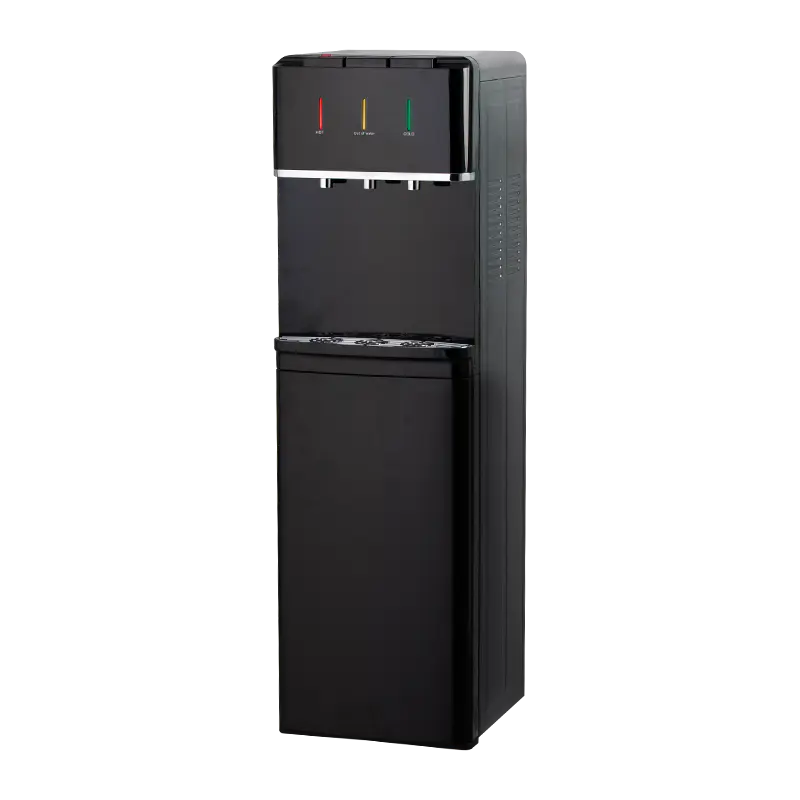
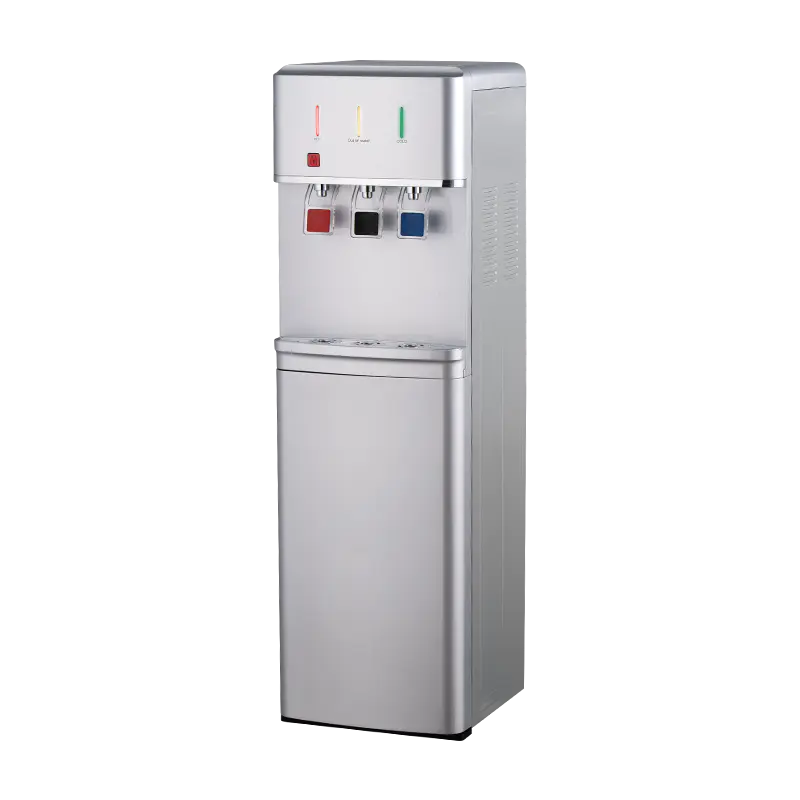
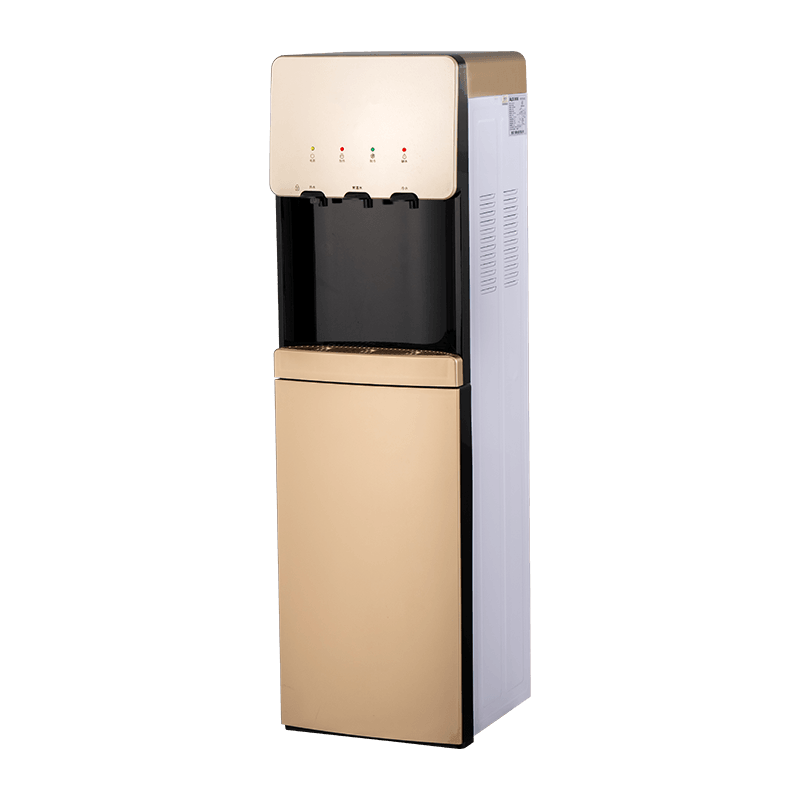
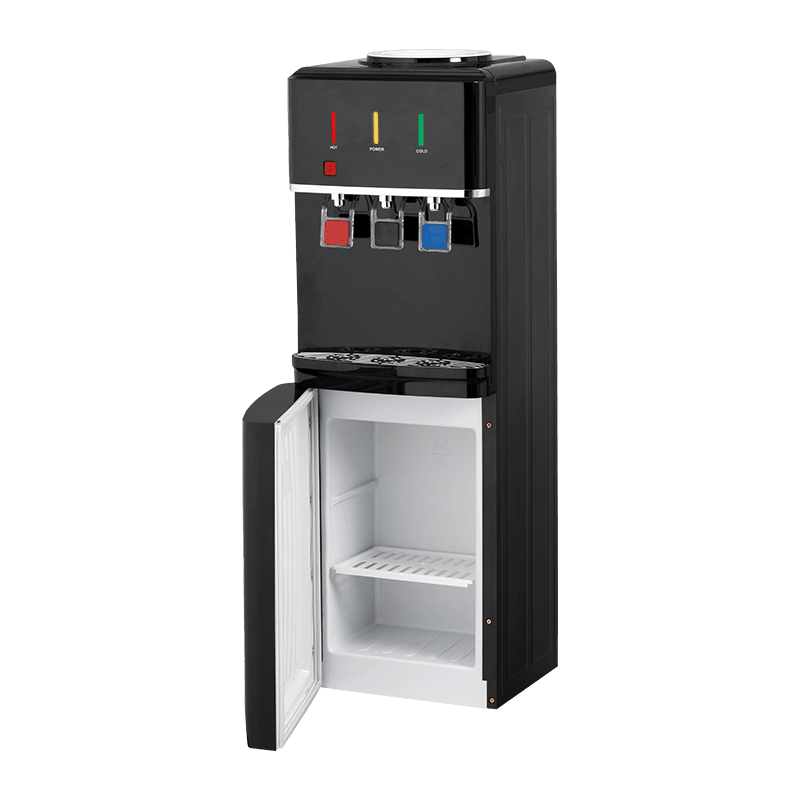
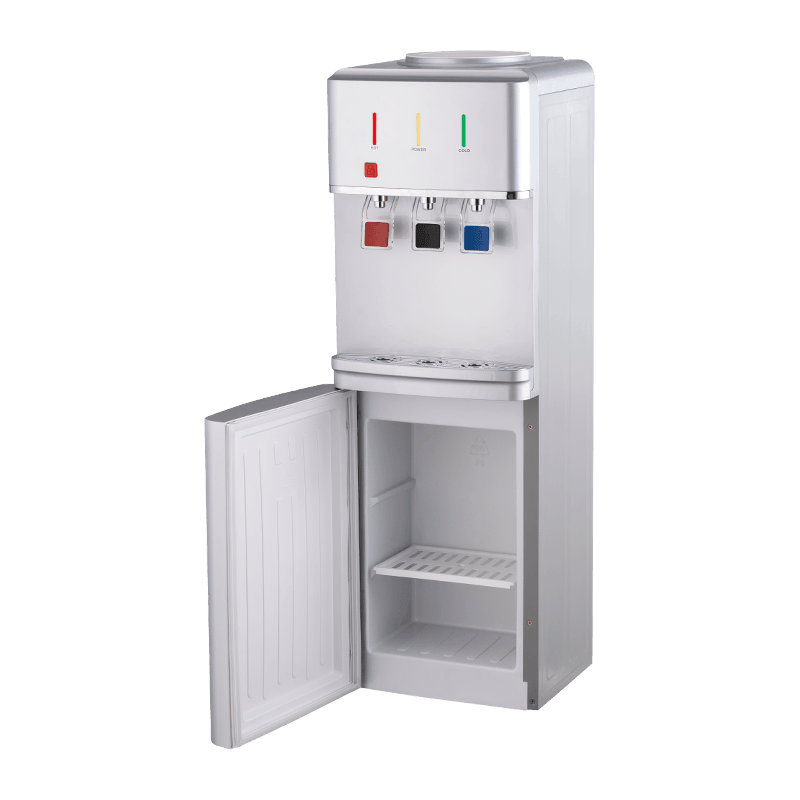
A vertical water dispenser is a freestanding unit that typically stands between 100 cm and 140 cm tall. The water bottle — usually a 5-gallon (18.9L) jug — is loaded at the top or concealed inside a cabinet at the bottom. These dispensers connect directly to the unit's internal cooling and heating system.
Most vertical dispensers offer three temperature outputs: hot (~90–95°C), cold (~5–10°C), and room temperature. Higher-end models include child-safety locks, self-cleaning UV functions, and even built-in filtration. Brands like Primo, Avalon, and Whirlpool offer vertical units ranging from $80 to over $400 depending on features.
Common Use Cases
- Office break rooms serving 10+ employees
- Family homes with daily hot water needs (e.g., tea, instant noodles)
- Gyms, clinics, or waiting rooms requiring continuous hydration
- Spaces where a floor-standing unit doesn't disrupt traffic flow
What Is a Top-Mounted Water Dispenser?
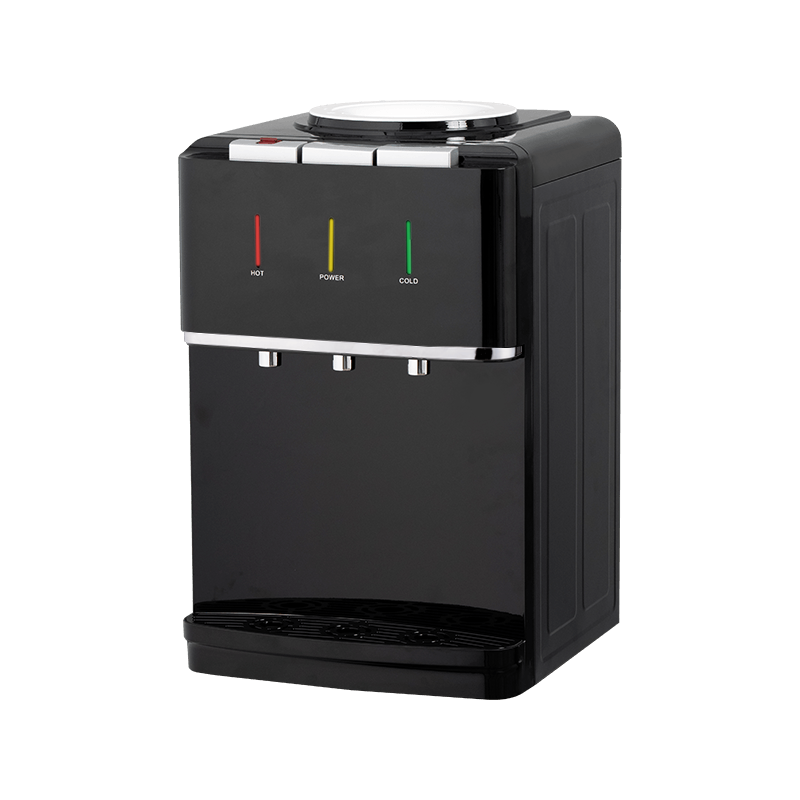
A top-mounted water dispenser, also called a top-load dispenser, requires the user to manually lift and invert a water jug on top of the unit. The bottle sits visibly above the machine and gravity feeds water downward into the reservoir. These units are typically shorter (around 90–100 cm) and narrower than vertical models.
Top-mounted dispensers are generally more affordable, with entry-level models available for as little as $40–$90. They're a popular choice for small apartments, dorm rooms, or personal office desks. The visible jug, however, requires physical effort to load — a standard 5-gallon bottle weighs approximately 18–19 kg (40–42 lbs) when full.
Common Use Cases
- Studio apartments or single-person households
- Temporary or rental spaces where investment should be minimal
- Low-traffic environments needing only cold or room-temperature water
- Buyers on a tight budget who still want filtered bottled water
Vertical vs Top-Mounted Water Dispenser: Side-by-Side Comparison
The table below summarizes the key differences between these two dispenser types across the most important purchasing criteria:
| Feature | Vertical Water Dispenser | Top-Mounted Water Dispenser |
|---|---|---|
| Average Height | 100–140 cm | 90–105 cm |
| Bottle Loading | Bottom-load or top-load (concealed) | Manual top-load (visible jug) |
| Temperature Options | Hot, Cold, Room Temp | Cold, Room Temp (some have hot) |
| Price Range | $80–$400+ | $40–$150 |
| Ease of Refilling | Easier (especially bottom-load) | Physically demanding (~19 kg lift) |
| Aesthetics | Sleek, modern, bottle hidden | Functional; jug is visible |
| Footprint | Moderate floor space needed | Compact; can fit on counters |
| Best For | Offices, families, high-use settings | Individuals, small spaces, low budgets |
Key Factors to Consider Before Buying
Daily Water Consumption
The U.S. National Academies of Sciences recommends about 3.7 liters per day for adult men and 2.7 liters for women, from all food and drink combined. For a family of four consuming primarily dispensed water, a standard 5-gallon jug lasts roughly 2–4 days. A vertical dispenser's hot water function also replaces the need for a separate kettle, consolidating usage in high-consumption households.
Physical Accessibility
Lifting a full 5-gallon bottle overhead to load a top-mounted dispenser is a genuine physical challenge — and a potential injury risk for elderly users or anyone with back problems. Bottom-load vertical dispensers solve this entirely, letting users roll the bottle into a cabinet at knee height. If accessibility is a concern, this factor alone can determine the right choice.
Space and Placement
Top-mounted dispensers have a smaller overall footprint when placed on a countertop, but the tall jug sitting on top makes them visually bulky. Vertical dispensers need floor space — typically a 30×35 cm base area — but look cleaner and more intentional in a room. Measure your available area carefully before purchasing either type.
Electricity and Running Costs
Both types consume electricity to maintain water temperature. A typical vertical dispenser with hot and cold functions uses around 100–250W, while a basic top-mounted cold-only unit may use as little as 60–90W. Over a year, the difference can add up to $15–$40 in electricity costs, depending on your local utility rate and usage habits.
Hygiene and Maintenance: What Often Gets Overlooked
Both dispenser types require regular cleaning to prevent bacterial buildup in the reservoir and spigots. The CDC recommends cleaning water dispensers every time a bottle is changed, or at minimum every 6–8 weeks.
- Top-mounted dispensers: The open neck of the bottle is exposed briefly during loading, which can introduce contaminants. Always wipe the bottle neck and the dispenser collar before inserting a new jug.
- Vertical dispensers: Bottom-load models are generally more hygienic since the bottle is sealed and enclosed. Some premium models feature UV self-sterilization, which kills up to 99.9% of bacteria in the reservoir.
- Both types: Flush the hot and cold tanks every 6 months using a diluted vinegar or food-safe sanitizer solution.
Poor maintenance is one of the leading causes of taste degradation and waterborne contamination in office dispensers — a study published in the Journal of Environmental Health found bacterial counts exceeding safe limits in nearly 30% of untreated office water dispensers tested.
Top-Mounted Dispensers: When They're Actually the Better Choice
Despite the advantages of vertical dispensers, top-mounted units win in specific situations:
- Budget-constrained buyers: A quality top-mounted dispenser can be purchased for under $60, while a comparable vertical unit starts at $120–$150.
- Renters or transient residents: Top-mounted dispensers are lightweight and easy to move, making them ideal for people who relocate frequently.
- Counter or desk placement: Mini top-load dispensers designed for countertops are compact enough to fit beside a coffee maker, taking up roughly the same space.
- Transparent bottle monitoring: Some users actually prefer seeing how much water remains in the visible jug, which makes it easier to schedule refill deliveries.
Recommended Products to Consider
Based on consumer reviews, energy ratings, and feature sets, here are standout options in each category:
Vertical Water Dispensers
- Avalon A5 Bottom Loading (~$180): One of the most popular bottom-load vertical dispensers on the market. Features child safety lock, self-cleaning function, and a sleek stainless finish.
- Primo Deluxe Bottom Load (~$200): Known for its reliability and three-temperature output, widely used in offices across North America.
- Whirlpool WHER25 (~$150): A budget-friendly vertical option with a compact design suitable for home use.
Top-Mounted Water Dispensers
- Costway Top Loading Dispenser (~$65): An affordable entry point with both hot and cold spigots, consistently well-reviewed for the price.
- Brio Essential Top Load (~$90): A step up from budget models, featuring a night-light indicator and stainless-steel accents.
- Vitapur VWD9440BLS (~$120): Offers UV purification in a top-mount configuration, bridging the hygiene gap with vertical models.
Final Verdict: Which Should You Choose?
If you're equipping an office, a family home, or any space where multiple people need hot and cold water throughout the day, a vertical water dispenser — especially a bottom-load model — delivers superior convenience, hygiene, and long-term value. The higher upfront cost is offset by ease of use, better aesthetics, and more feature options.
If you're a solo user, working within a tight budget, or simply need a no-fuss solution for a small space, a top-mounted water dispenser gets the job done without unnecessary complexity or expense. Just be prepared for the physical effort of bottle changes and stay consistent with your cleaning schedule.
In short: vertical for convenience and volume; top-mounted for affordability and simplicity. Both deliver clean, accessible hydration — the decision comes down to your specific daily needs.