English
 Español
 عربى
عربى 中文简体
中文简体

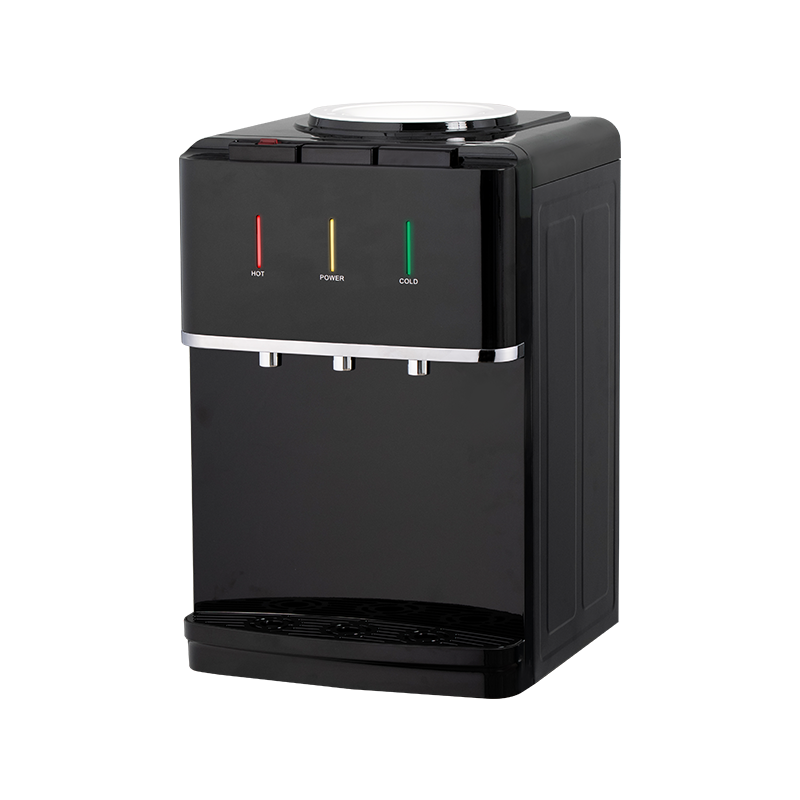
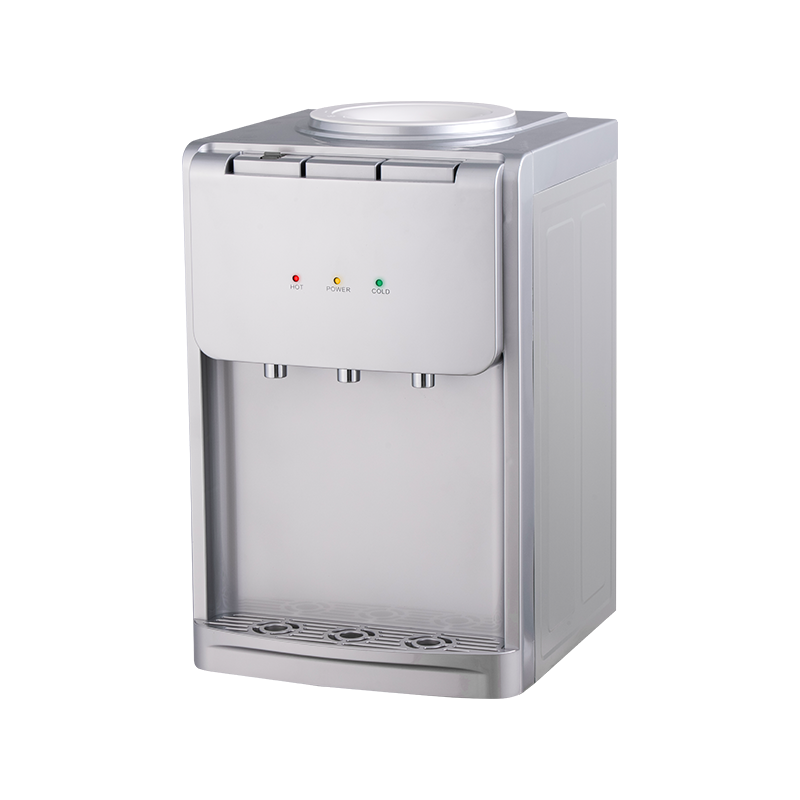
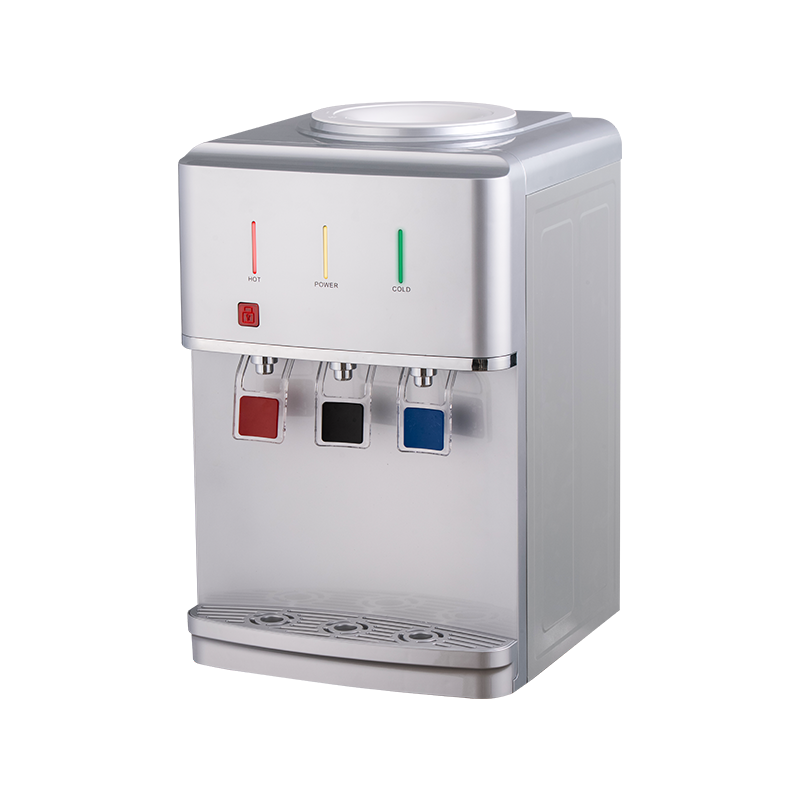
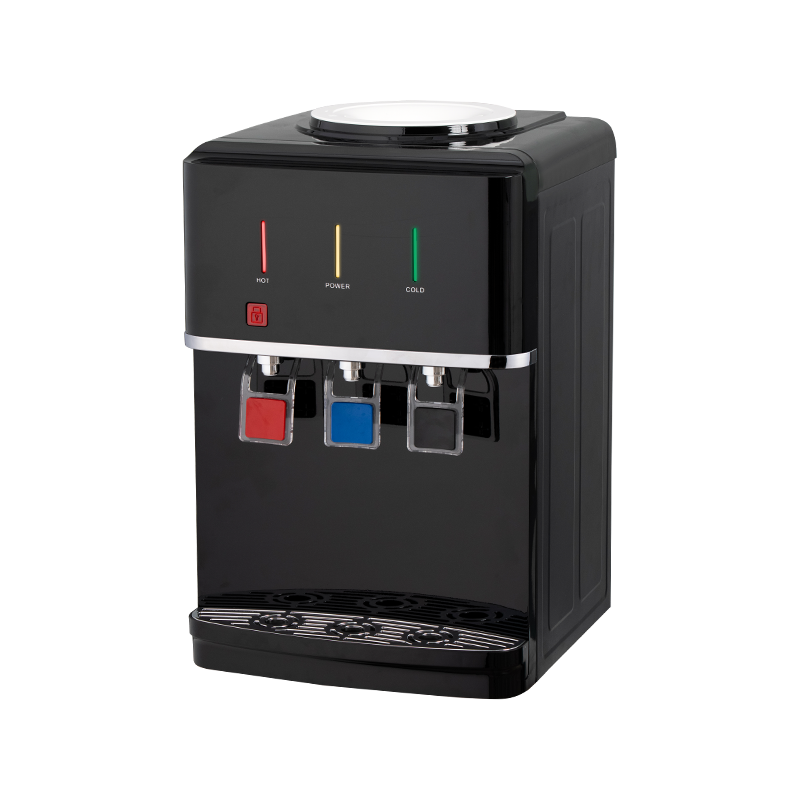
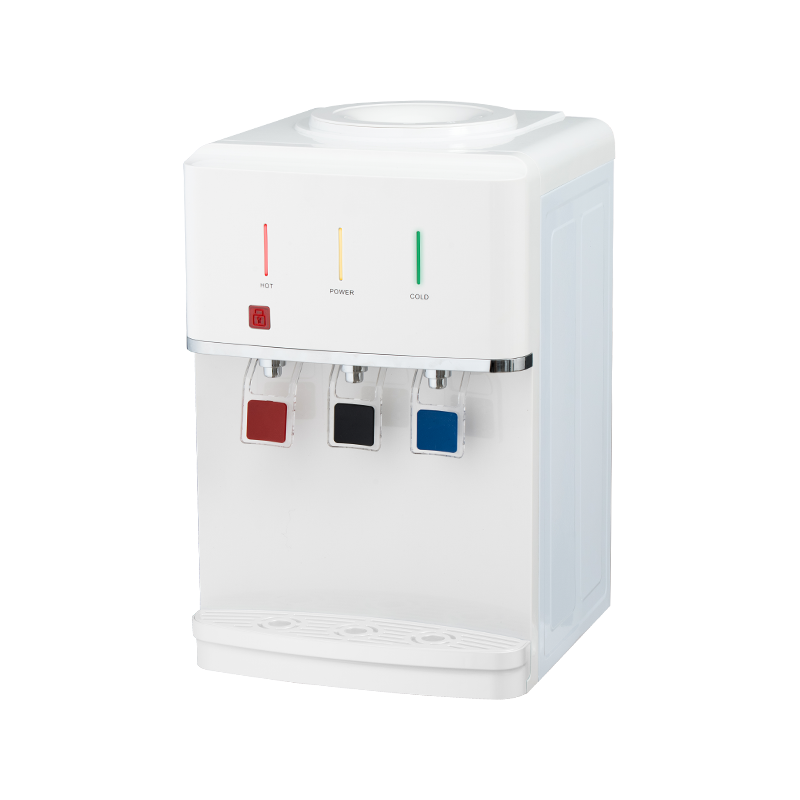
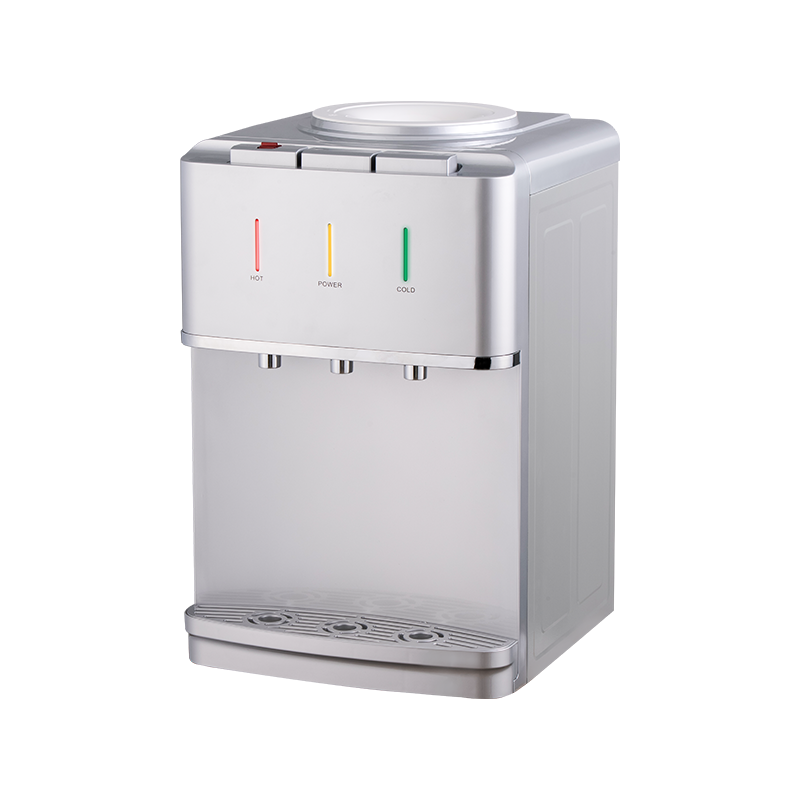
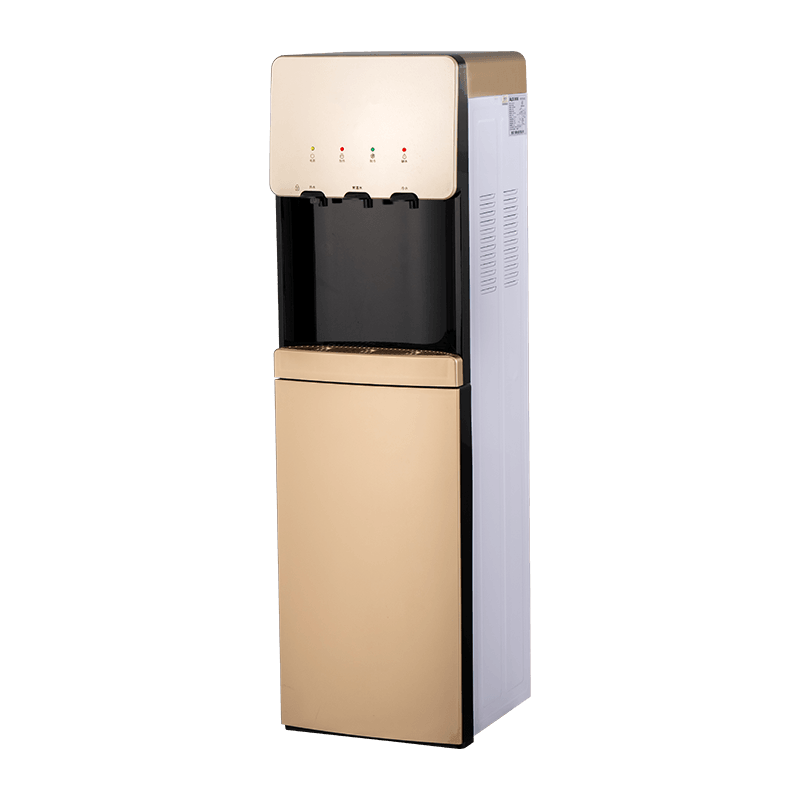
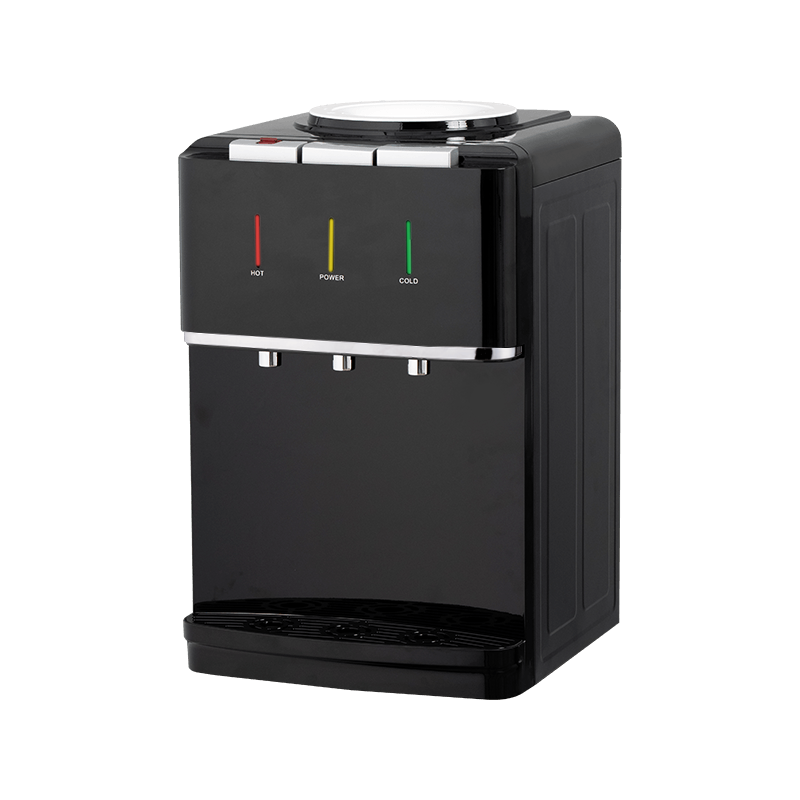
The "Desktop Water Dispenser" has redefined the way individuals access clean drinking water in residential, office, and temporary environments. Unlike traditional floor-standing units that require significant floor space and heavy lifting of large carboys, a modern "Desktop Water Dispenser" offers a compact, efficient, and technologically advanced alternative. These devices are engineered to sit comfortably on a nightstand, desk, or kitchen counter, providing immediate access to water through precision-engineered pumping mechanisms. The integration of "smart hydration" features, such as quantitative pumping and temperature control, makes the "Desktop Water Dispenser" a versatile tool. From a technical perspective, these units utilize high-torque internal motors and food-grade silicone tubing to ensure that the water remains uncontaminated from the source to the glass. The "portable water pump" design also ensures compatibility with multiple bottle sizes, ranging from small 1.5L bottles to heavy 5-gallon containers, making it a universal solution for various hydration needs.
What Are the Core Engineering Components and Material Standards of a High-Performance Desktop Water Dispenser?
The reliability and safety of a "Desktop Water Dispenser" are rooted in its internal architecture and the quality of the materials that come into contact with water. Ensuring that the device is "BPA-free" and follows international food safety standards is the baseline for any professional-grade "Desktop Water Dispenser."
-
Pumping Technology and Motor Dynamics: The heart of a "Desktop Water Dispenser" is its micro-electric pump. Most high-end models utilize a low-noise, high-pressure diaphragm pump that can move water quickly without creating excessive vibration. The motor is typically powered by a high-capacity lithium-ion battery (often 1200mAh to 2000mAh) or a direct DC power supply. For a "USB charging water pump," the efficiency of the power management system determines how many gallons can be dispensed on a single charge. A well-engineered motor ensures a stable flow rate, usually measured at 1.5 to 2.0 liters per minute, providing a smooth stream that prevents splashing. The internal gears are often made of wear-resistant POM plastic to ensure longevity over thousands of dispensing cycles.
-
Material Selection and Fluid Path Integrity: Every component in the fluid path of a "Desktop Water Dispenser" must be inert and resistant to biofilm accumulation. The intake hose is almost exclusively made from high-transparency, food-grade silicone, which remains flexible and does not impart any flavor to the water. The external spout or "outlet pipe" is frequently constructed from 304 stainless steel or high-density ABS plastic with a metallic finish to prevent corrosion and facilitate easy cleaning. The housing of the "Desktop Water Dispenser" itself is designed with structural ribs to provide stability when placed on uneven surfaces, ensuring that the device does not tip over when a full glass is placed on its integrated tray.
-
Integrated Controls and Quantitative Dispensing: Modern "Desktop Water Dispensers" feature digital interfaces or tactile buttons that allow for "quantitative pumping." This technology utilizes a flow sensor or a timed pulse to dispense exact amounts of water—typically 100ml, 200ml, 600ml, or continuous flow. This is particularly useful for users who need precise measurements for tea brewing, baby formula preparation, or cooking. The control board must be shielded from moisture to prevent short-circuiting, a common failure point in low-quality "water bottle pumps." By employing capacitive touch sensors, manufacturers eliminate physical gaps where water could seep into the electronics.
To better understand the hardware variations, the following table compares the typical specifications found in different "Desktop Water Dispenser" categories:
|
Technical Feature |
Basic Desktop Pump |
Smart Quantitative Dispenser |
Instant Heat Desktop Unit |
|---|---|---|---|
|
Power Source |
USB Rechargeable (Li-ion) |
USB-C Rechargeable |
AC Plug-in |
|
Pumping Mechanism |
Standard DC Motor |
High-Torque Diaphragm |
Vacuum Suction Pump |
|
Volume Control |
Manual Start/Stop |
7-Level Quantitative Settings |
Variable Volume Control |
|
Temperature Options |
Ambient Only |
Ambient Only |
Room Temp, 45°C, 85°C, 100°C |
|
Tubing Material |
Food-grade Silicone |
Platinum-cured Silicone |
High-temp Resistant PTFE |
|
Compatible Bottles |
1 - 5 Gallon Universal |
1 - 5 Gallon Universal |
Internal Tank / Small Bottle |
|
Noise Level |
< 55dB |
< 45dB |
< 40dB |
How Does the Internal Hydraulic Design Ensure Anti-Leakage and High Flow Efficiency?
Managing fluid dynamics within a compact "Desktop Water Dispenser" requires a sophisticated approach to pressure regulation and sealing to prevent messy leaks and ensure a consistent user experience.
-
Anti-Drip and Check Valve Systems: One of the primary engineering challenges in a "Desktop Water Dispenser" is preventing "after-drip"—the water that continues to fall after the pump has stopped. To solve this, manufacturers install a "check valve" or a negative pressure return system. When the power is cut to the pump, the check valve immediately seals the outlet path, while a slight reverse suction pulls the remaining water back into the spout. This ensures that the "desktop tray" remains dry and hygienic. Furthermore, the connection point between the silicone tube and the "water dispenser" base uses a tapered friction fit or a locking nut to ensure a vacuum-tight seal, which is essential for the pump to prime itself efficiently.
-
Flow Path Optimization and Noise Reduction: The internal "water channel" is designed to minimize turbulence, which both increases flow speed and reduces operational noise. By using smooth-bore tubing and avoiding sharp 90-degree bends in the internal manifold, the "Desktop Water Dispenser" can operate at peak efficiency. Noise reduction is achieved through the use of silicone mounting pads for the motor, which decouple the vibration from the plastic outer shell. This "silent pumping" technology is a key selling point for a "Desktop Water Dispenser" intended for use in quiet office environments or bedrooms, where a loud mechanical hum would be disruptive.
-
Self-Priming Capabilities and Air Venting: A high-quality "automatic water pump" must be able to lift water from a bottle placed significantly below the dispenser's height. This requires strong "self-priming" capabilities. The internal pump creates enough of a vacuum to pull water through a 1.2-meter hose without requiring manual priming. Additionally, an integrated air vent allows air to enter the water bottle as fluid is removed, preventing the "collapsing bottle" effect and ensuring that the flow remains steady until the container is empty. This balance of air and water pressure is critical for the long-term health of the motor.
What Technical Features Facilitate Universal Compatibility and Portability?
The "Desktop Water Dispenser" is designed to be a "plug-and-play" device that adapts to the user's existing water supply without requiring complex plumbing or permanent installation.
-
Universal Base and Bung Compatibility: Most "Desktop Water Dispensers" feature a universal base design that can either sit directly on a flat surface or be mounted onto the neck of a standard gallon bottle. The "gravity-stabilized base" ensures that even when the unit is used as a standalone "desktop pump" with a long hose, it remains upright during operation. The intake port is designed to fit the standard 55mm crown top or screw-top caps found on most bulk water containers. This "universal bottle pump" feature eliminates the need for proprietary adapters, allowing users to switch between different brands of bottled water effortlessly.
-
Battery Management and USB Connectivity: Portability is a defining characteristic of the "Desktop Water Dispenser." The inclusion of a USB or USB-C charging port allows the device to be powered by laptop ports, power banks, or wall adapters. Advanced battery management systems (BMS) protect the cells from overcharging and deep discharge, extending the lifespan of the "portable dispenser." A typical 1800mAh battery can dispense approximately 80 to 100 liters of water on a single charge, making it ideal for camping, outdoor events, or areas with unreliable power grids. The "cordless water pump" functionality provides the freedom to place the hydration station exactly where it is needed most.
-
Modular Construction for Maintenance: To ensure long-term hygiene, the "Desktop Water Dispenser" is often constructed with modular components that can be easily disassembled for cleaning. The spout is usually removable, allowing for periodic sterilization to prevent mineral buildup or bacterial growth. Some models incorporate an "internal cleaning mode" where the pump runs at a higher speed to flush the system. By using standardized silicone tubing, users can easily replace the intake hose every 3 to 6 months, ensuring that the "Desktop Water Dispenser" continues to deliver the highest quality water throughout its service life.