English
 Español
 عربى
عربى 中文简体
中文简体

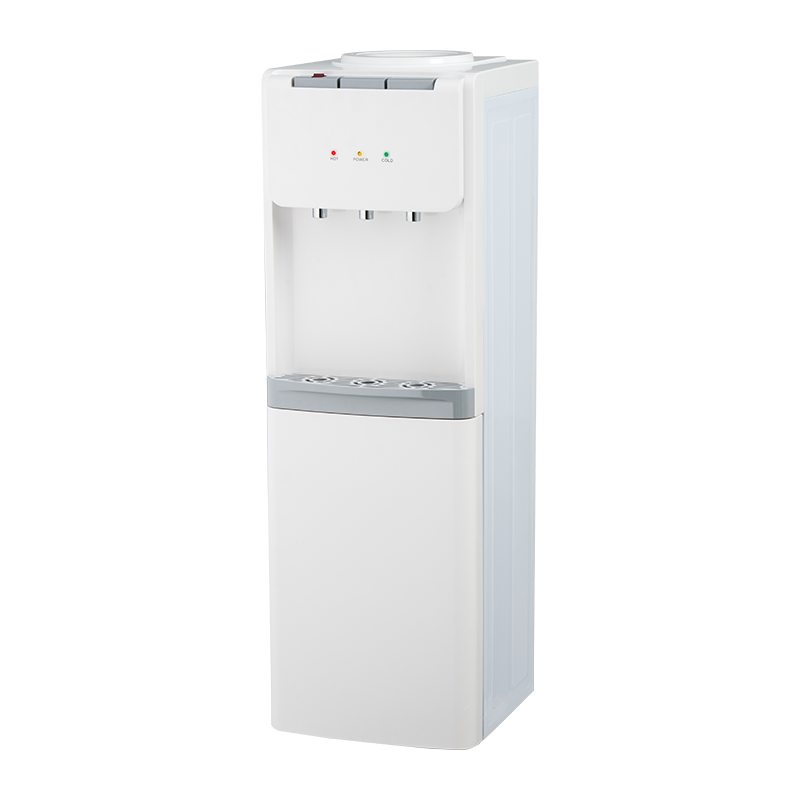
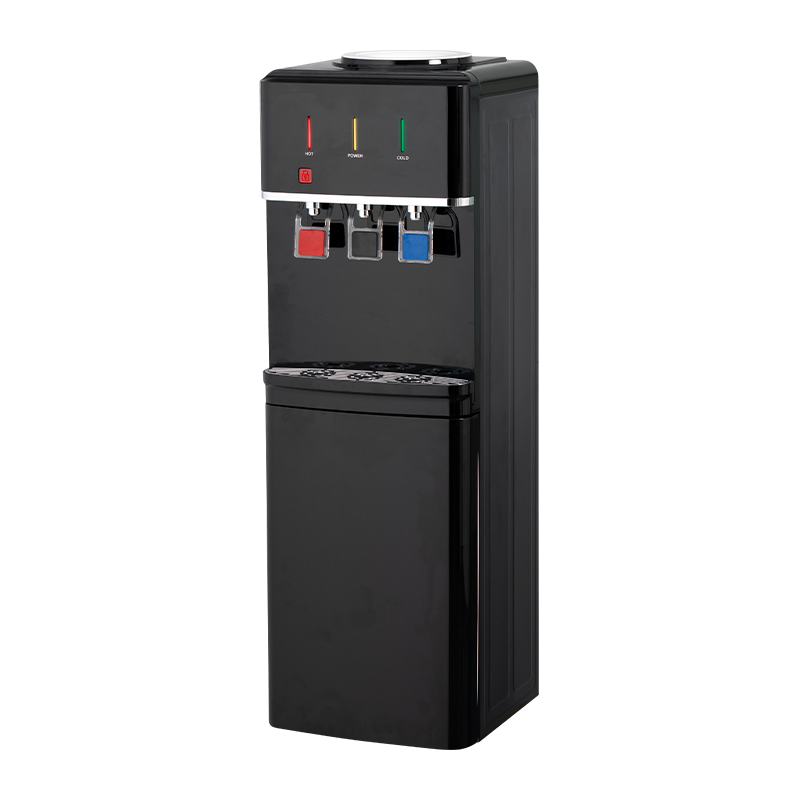
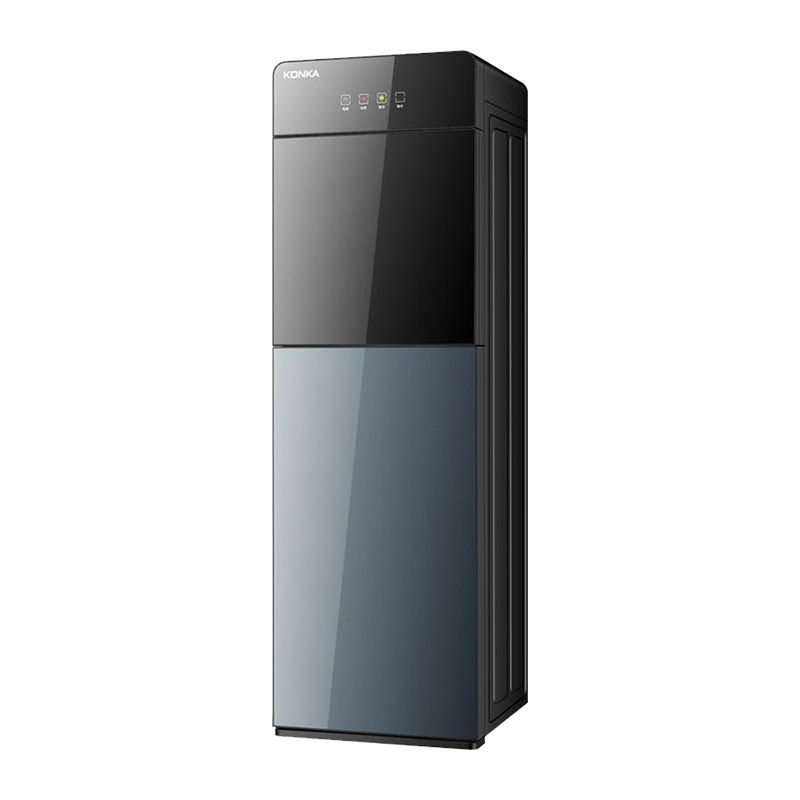
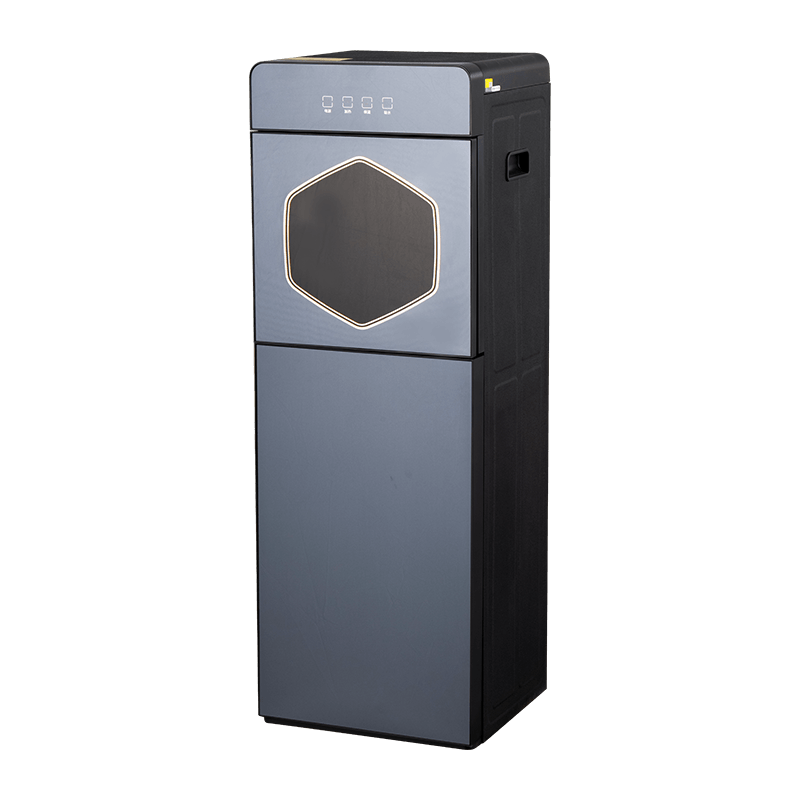
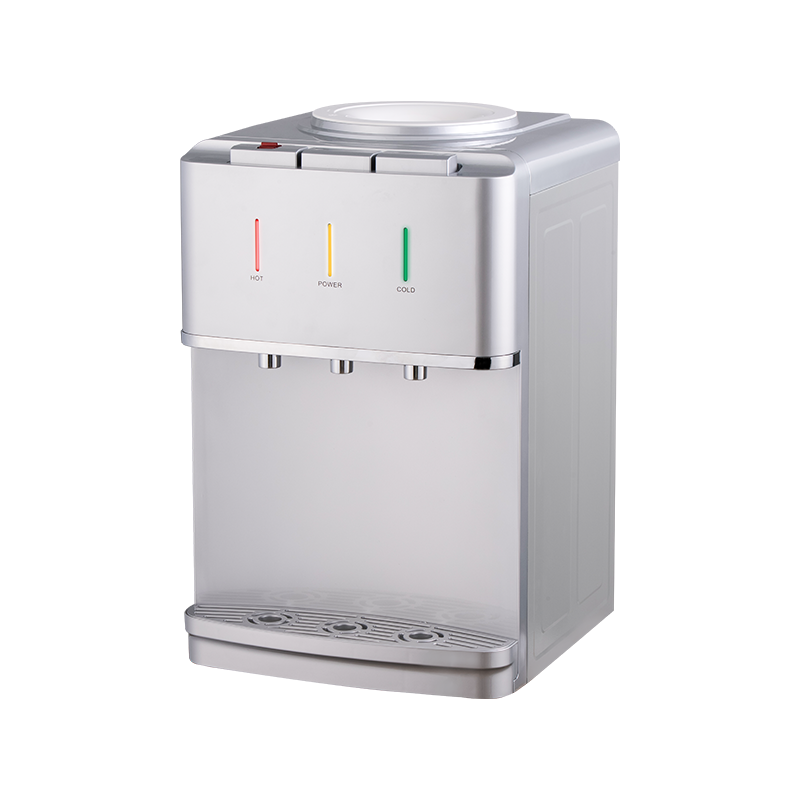
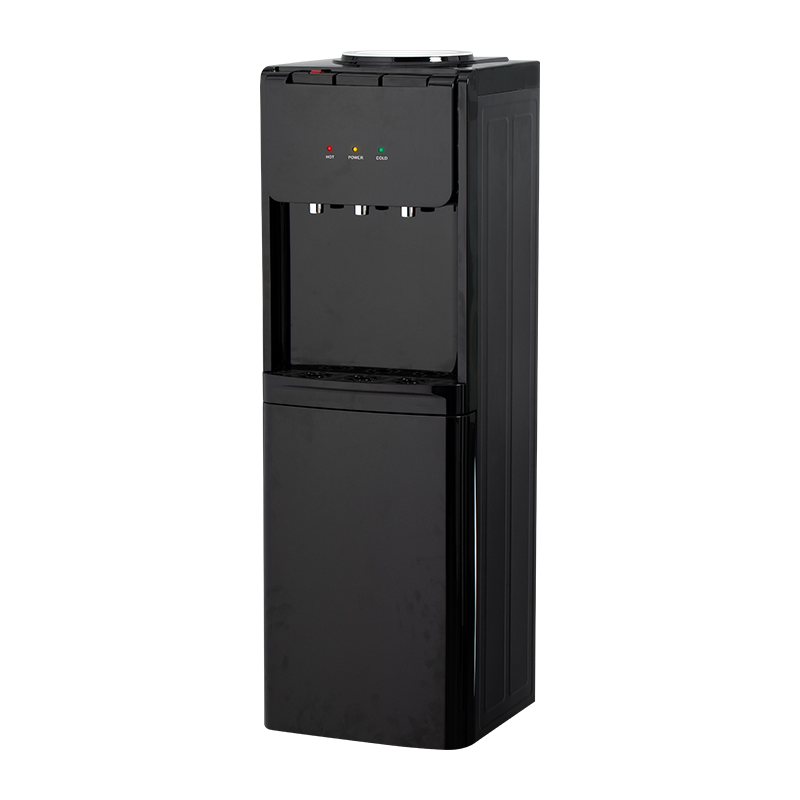
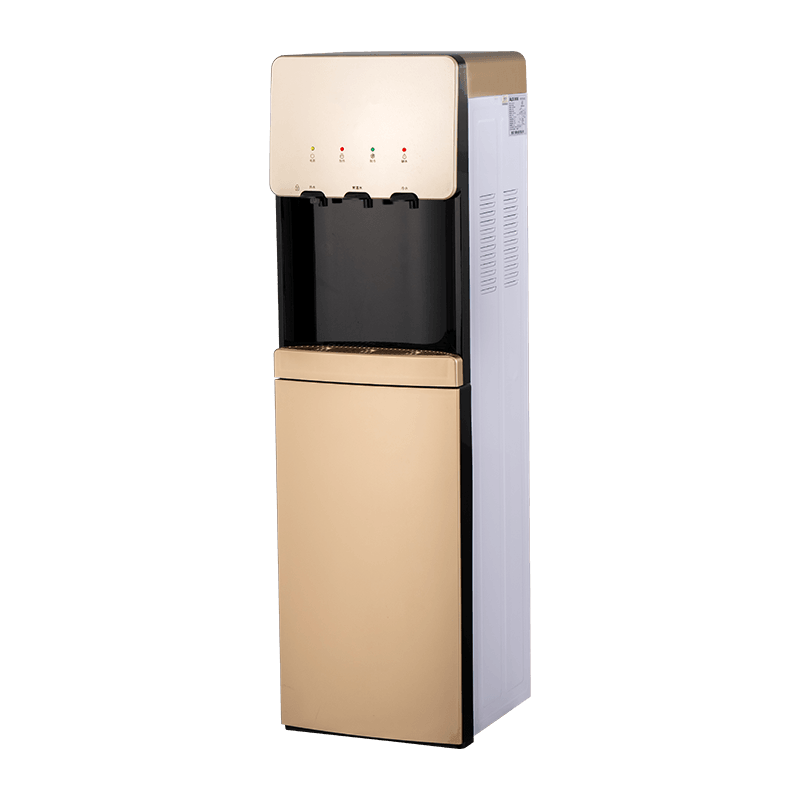
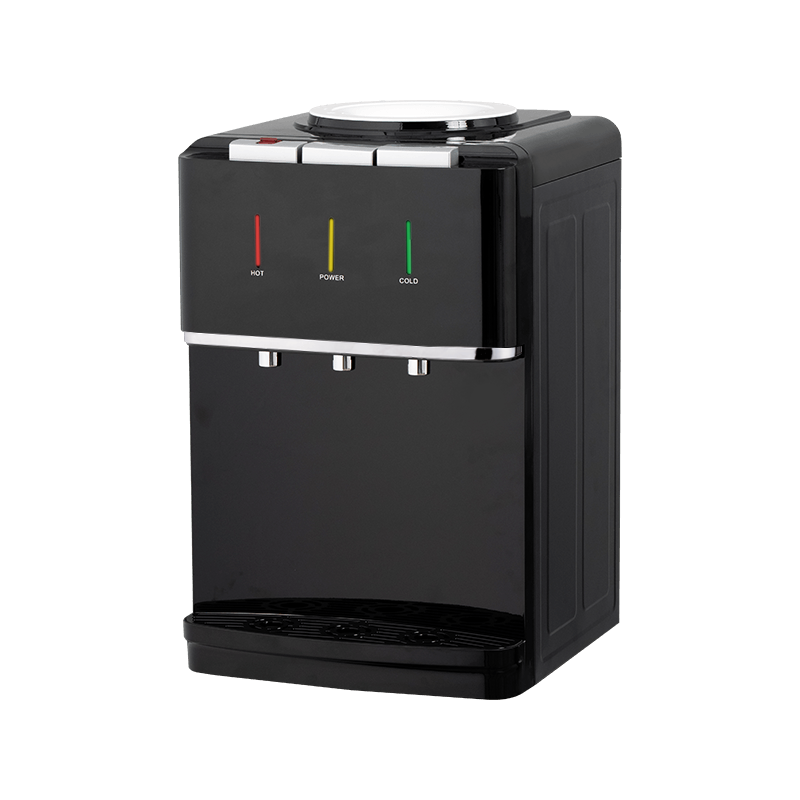
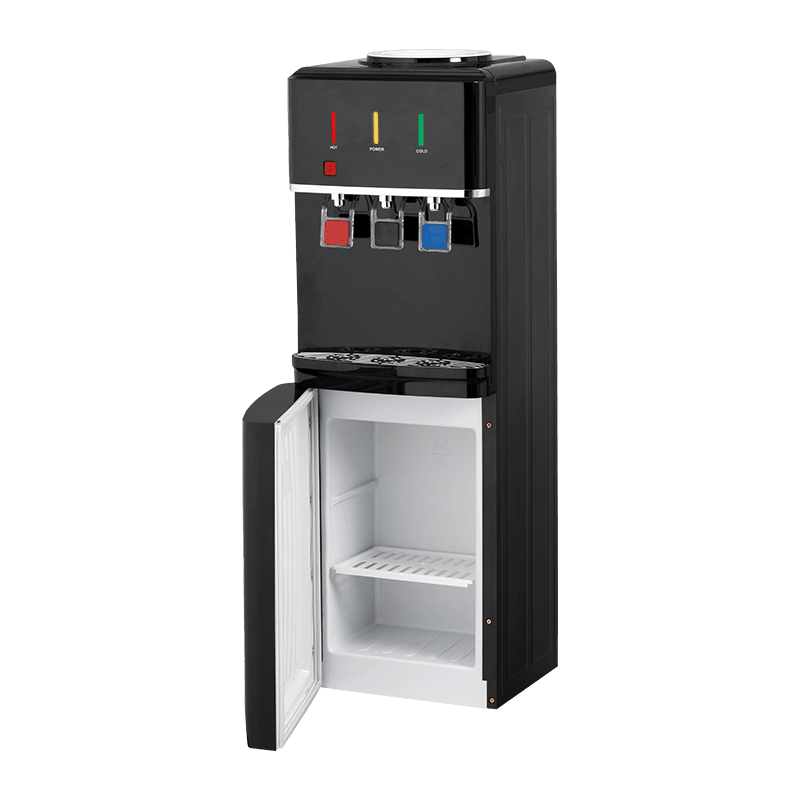
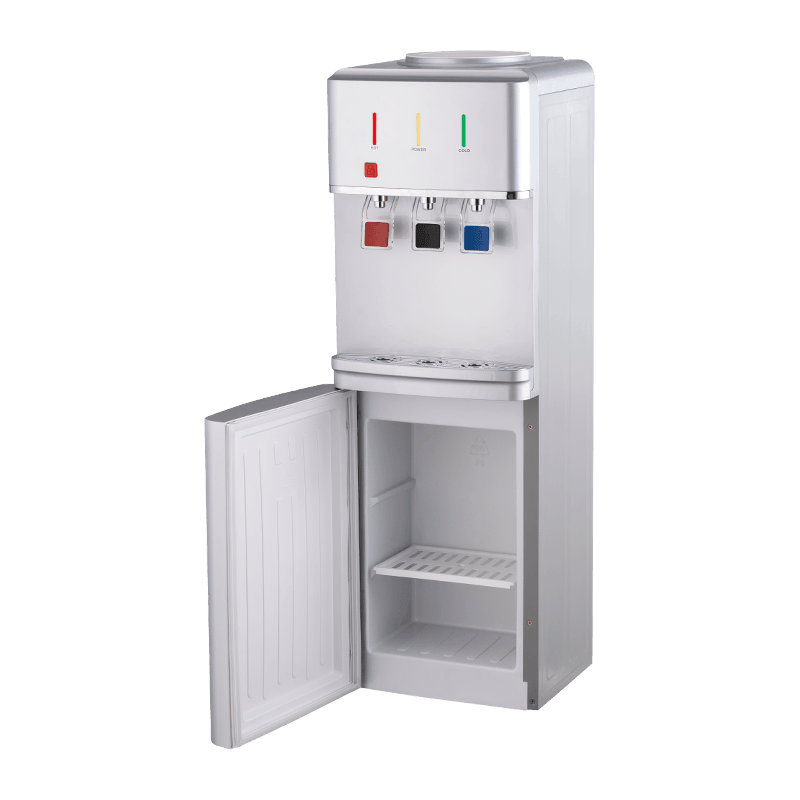
The vertical water dispenser has emerged as one of the most practical and widely adopted appliances in contemporary households, office environments, and commercial public spaces. Unlike the older generation of countertop water coolers that occupied valuable preparation surfaces or the rudimentary water boilers that offered limited temperature options, the modern vertical water dispenser is a freestanding, floor-mounted unit that integrates advanced heating and cooling technologies, space-efficient design, and increasingly intelligent features into a single cohesive appliance. Its fundamental purpose remains simple: to provide instant access to clean drinking water at desired temperatures. However, the manner in which it achieves this purpose has evolved dramatically over the past decade. What makes the vertical water dispenser truly unique is its ability to deliver hot water approaching boiling point for tea, coffee, or instant noodles, chilled water for refreshment on a warm day, and room-temperature water for those who prefer neither hot nor cold, all from a single compact unit that occupies less than half a square meter of floor space. This versatility alone distinguishes it from single-purpose appliances such as electric kettles or water jugs stored in refrigerators.
Beyond mere convenience, the vertical water dispenser addresses several modern lifestyle challenges simultaneously. In households where multiple family members have different beverage preferences throughout the day, a single vertical unit can satisfy everyone without the need to operate multiple appliances or wait for water to heat or cool. In office environments, where employee productivity is directly linked to hydration levels, having a reliable source of good-tasting water encourages frequent drinking and reduces the temptation to consume sugary sodas or caffeinated beverages that offer only temporary relief from thirst. Furthermore, the vertical orientation of these dispensers is not merely an aesthetic choice but a functional one. By directing the water dispensing nozzles at a height that accommodates everything from small espresso cups to large sports bottles, and by positioning the control panel at a comfortable eye level, vertical water dispensers reduce physical strain on users, particularly the elderly or those with mobility limitations who might struggle to lift heavy water bottles or bend down to retrieve water from low-profile units.
Another defining characteristic that sets the vertical water dispenser apart from alternative hydration solutions is its remarkable adaptability to different water sources. Consumers can choose between bottle-fed models that accept standard three to five gallon water bottles, which are ideal for locations without direct plumbing access such as rented apartments, temporary event spaces, or remote offices, and bottle-less models that connect directly to the building’s water supply and incorporate multi-stage filtration systems. This latter category has gained tremendous popularity in recent years as awareness of tap water quality concerns has grown. The filtration systems available in modern vertical water dispensers range from basic sediment and activated carbon filters that improve taste and odor, to sophisticated reverse osmosis units that remove heavy metals, chlorine, pharmaceuticals, and microplastics, sometimes supplemented by ultraviolet sterilization lamps that eliminate any remaining bacteria or viruses. Consequently, a bottle-less vertical water dispenser effectively becomes a compact water purification plant, producing water quality comparable to premium bottled brands at a fraction of the cost and without the environmental burden of plastic waste.
The safety features integrated into contemporary vertical water dispensers further enhance their uniqueness and appeal, particularly in environments where children, elderly individuals, or high volumes of public users are present. Older water cooler models were notorious for allowing unrestricted access to scalding hot water, leading to burn injuries, especially among young children who could easily reach the hot water tap. Modern vertical dispensers address this critical vulnerability through several layers of protection. The most fundamental is the child safety lock, typically a spring-loaded mechanism or a two-step activation sequence that prevents the hot water button from dispensing unless deliberately overridden by an adult. Beyond this, many models incorporate anti-tip bases that make it exceptionally difficult to knock the unit over, automatic shut-off systems that deactivate the heating element when the internal water tank runs dry to prevent dangerous overheating or fire, and leak detection sensors that immediately cut power and water supply if moisture is detected inside the chassis. For commercial applications such as schools, hospitals, and public waiting areas, some vertical dispensers also feature touchless sensor activation, where placing a cup under the nozzle triggers an infrared sensor to dispense water without any physical contact, dramatically reducing cross-contamination risks in high-traffic settings.
Energy efficiency represents another domain where the vertical water dispenser has made substantial progress, addressing a common criticism of earlier always-on water coolers that consumed electricity continuously regardless of actual usage. Traditional hot and cold water dispensers relied on storage tanks that maintained water at the target temperature around the clock, meaning that even during nights, weekends, or extended office closures, the unit continued drawing power to keep water hot and cold. Modern vertical water dispensers have introduced several innovations to reduce this waste. The most impactful has been the adoption of instantaneous or on-demand heating technology, which uses a high-power heating element that activates only when a user requests hot water, heating the water as it flows through the system rather than maintaining a reservoir of pre-heated water. While this approach requires higher instantaneous power, typically between two thousand and three thousand watts, the total daily energy consumption is substantially lower because the heating element remains completely off between uses. For cold water, compressor-based cooling systems have largely replaced less efficient thermoelectric coolers in premium models, offering faster temperature recovery and lower operating costs, while vacuum-insulated hot water tanks retain heat significantly longer than traditional foam insulation, reducing the frequency of reheating cycles. Some advanced models now include programmable timers that allow users to set operating schedules, automatically powering down the heating and cooling systems during predictable idle periods such as overnight hours or weekend days, and resuming normal operation just before the first anticipated usage. These improvements have enabled Energy Star certified vertical water dispensers to consume as little as 0.5 kilowatt-hours per day, less than a typical fifty-watt light bulb left running for ten hours.
Practical Benefits Across Residential, Commercial, and Office Environments
The value proposition of the vertical water dispenser varies across different usage environments, but the common thread is its ability to solve specific hydration-related pain points that alternative solutions fail to address adequately. In residential settings, particularly family homes with children, the vertical water dispenser transforms daily hydration from a chore into an effortless habit. Parents of infants quickly appreciate the ability to dispense perfectly warm water for formula preparation without waiting for a kettle to boil and then cool, a process that can take ten minutes or longer, during which a hungry baby may become increasingly distressed. For older children, having a dedicated water dispenser at an accessible height encourages self-sufficiency, allowing them to pour their own water without asking an adult for assistance or attempting to lift heavy pitchers from the refrigerator. In households where multiple family members have different beverage preferences, the vertical dispenser serves as a centralized hydration station, eliminating the kitchen clutter of separate appliances such as an electric kettle for tea, a water filter pitcher for drinking water, and a carafe stored in the refrigerator for cold water. The space-saving vertical design is particularly valuable in urban apartments where kitchen counter space is at a premium, as the dispenser can be placed against any wall or in a corner, occupying floor area that would otherwise go unused while freeing up counters for food preparation activities.
For office environments, the benefits of the vertical water dispenser extend beyond individual convenience to encompass organizational productivity, employee wellness, and operational cost management. Research consistently demonstrates that even mild dehydration, defined as a fluid loss of one to two percent of body weight, impairs cognitive functions including concentration, short-term memory, alertness, and mood. In an office setting where employees are engaged in knowledge work requiring sustained attention, ensuring easy access to appealing drinking water is a simple yet effective intervention that supports mental performance throughout the workday. A vertical water dispenser placed in a central breakroom or near high-traffic areas encourages employees to take brief hydration breaks, which also provide opportunities for incidental social interaction and brief physical movement away from their desks, both of which have independently documented benefits for workplace wellbeing. From a cost perspective, installing a bottle-less vertical water dispenser connected to the building’s water supply with integrated filtration typically costs a fraction of what an organization would spend on bottled water delivery services. A typical office of fifty employees might consume twenty to thirty five-gallon bottles per month, at a cost of six to ten dollars per bottle, resulting in annual expenditures of approximately fifteen hundred to three thousand dollars, not including the storage space required for bottle inventory or the labor involved in changing bottles. A bottle-less vertical water dispenser eliminates these recurring costs entirely, leaving only the expense of periodic filter replacements, which typically amount to fifty to one hundred dollars per year, and the minimal electricity consumption required for heating and cooling.
Commercial applications of vertical water dispensers, including restaurants, hotels, fitness centers, medical clinics, and educational institutions, demand a higher level of durability, throughput capacity, and regulatory compliance than residential or general office models. In a busy restaurant kitchen, staff members need rapid access to both hot water for cleaning and food preparation and cold water for beverage service, often requiring dozens of servings per hour during peak periods. Commercial-grade vertical water dispensers address this demand through larger internal tanks, more powerful compressors, and faster heating elements that recover temperature more quickly between uses. A typical commercial model might offer ten to fifteen liters of hot water production per hour and eight to twelve liters of chilled water per hour, sufficient to support a moderate-volume food service operation. In healthcare settings such as clinics, hospitals, and dental offices, hygiene requirements are paramount, leading many facilities to specify vertical water dispensers with touchless sensor activation, sealed internal water paths that cannot be contaminated by external debris, and ultraviolet sterilization lamps that continuously treat the stored water to prevent bacterial growth. Fitness centers and gyms present a different set of requirements, primarily centered around high cold water output to satisfy thirsty patrons after intense exercise, and durable, impact-resistant construction that can withstand the occasional dropped weight or bumped dumbbell without damage. Hotels have increasingly recognized the value of placing vertical water dispensers in lobby areas, fitness rooms, and business centers as a complimentary amenity that enhances guest experience while reducing the environmental impact and cost associated with providing individual bottled water in every guest room.
Economic and Environmental Considerations Driving Widespread Adoption
The accelerating shift toward vertical water dispensers cannot be fully understood without examining the powerful economic and environmental forces that are reshaping consumer preferences and organizational purchasing decisions. On the economic front, the total cost of ownership comparison between a quality vertical water dispenser and continued reliance on single-use plastic bottled water is stark and compelling. For a household of four that currently purchases an average of two cases of bottled water per week, with each case containing twenty-four half-liter bottles at a typical retail price of five to seven dollars, the annual expenditure ranges from five hundred twenty to seven hundred twenty-eight dollars, not including the environmental disposal costs or the storage space required to accommodate multiple cases. Even this figure underestimates the true cost, because many households also purchase separate beverages such as bottled juices, sodas, and sports drinks, which further inflate the beverage budget. A one-time investment in a quality bottle-less vertical water dispenser, ranging from two hundred to six hundred dollars depending on features and filtration complexity, combined with annual filter replacement costs of fifty to one hundred dollars and electricity consumption of thirty to sixty dollars, yields a first-year total of approximately two hundred eighty to seven hundred sixty dollars, and subsequent annual costs of only eighty to one hundred sixty dollars. In other words, a household that switches from bottled water to a bottle-less vertical dispenser can expect to recover its initial investment within twelve to eighteen months, after which it enjoys essentially free drinking water aside from minimal maintenance expenses. For organizations with dozens or hundreds of employees, the economic case is even more compelling, with potential annual savings ranging from several thousand to tens of thousands of dollars depending on scale.
The environmental case for vertical water dispensers is equally powerful and resonates with increasingly environmentally conscious consumers and corporations alike. The global plastic pollution crisis has reached alarming proportions, with an estimated eight million metric tons of plastic entering the oceans annually, where it fragments into microplastics that contaminate marine ecosystems and eventually enter the human food chain. Single-use plastic water bottles are among the most visible and avoidable contributors to this crisis. The production of the plastic bottles themselves requires petroleum, a fossil fuel, and the transportation of bottled water from often distant sources to retail locations generates additional carbon emissions. A single vertical water dispenser, particularly a bottle-less model with built-in filtration, can eliminate thousands of plastic bottles over its service life. A typical office vertical dispenser used by fifty employees, each of whom might otherwise consume two plastic bottles per workday, prevents the use of approximately twenty-five thousand plastic bottles annually. Over a five-year service life, that single appliance prevents more than one hundred thousand plastic bottles from being manufactured, transported, filled, consumed, and disposed of, with corresponding reductions in petroleum consumption, carbon emissions, and landfill or ocean pollution. Organizations increasingly cite such reductions in their Environmental, Social, and Governance reports, using the adoption of bottle-less hydration solutions as tangible evidence of their commitment to sustainability goals. Even bottle-fed vertical water dispensers, which still require the use of large reusable five-gallon bottles, represent a substantial improvement over single-use bottles, as each reusable bottle replaces approximately three hundred individual half-liter bottles over its service life.
Beyond the direct plastic reduction benefits, vertical water dispensers also contribute to broader environmental objectives through their improving energy efficiency and the elimination of transportation-related emissions. The most efficient modern units consume less than one hundred kilowatt-hours annually for cooling and heating combined, equivalent to the energy required to manufacture approximately two hundred plastic water bottles. In contrast, the production, filling, and transportation of those two hundred bottles would involve multiple times that energy expenditure, not to mention the water consumed in the bottling process itself, which typically requires three to five liters of water to produce every liter of bottled water. The water efficiency of bottle-less vertical dispensers is dramatically superior, as they treat and dispense water directly from the municipal supply without the wasteful packaging ratio inherent to bottled water. For environmentally conscious consumers and organizations, the choice to install a vertical water dispenser is therefore not merely a matter of personal convenience or cost savings, but an active contribution to reducing plastic waste, conserving energy and water resources, and mitigating the environmental footprint of daily hydration. This alignment of economic self-interest with environmental responsibility explains why vertical water dispensers are experiencing such rapid adoption across all market segments, from individual households to multinational corporations, and why their role as the essential hydration solution for modern living will only continue to grow in the years ahead.