English
 Español
 عربى
عربى 中文简体
中文简体

How Does a Top‑loading Water Dispenser Work?
The operation of a top‑loading water dispenser is straightforward yet involves several key components that work together to deliver water at different temperatures.
Water Intake and Gravity Feed: The water bottle is inverted and placed on the top cradle. The bottle's neck is inserted into a probe that pierces the cap or opens a valve, allowing water to flow into the dispenser's internal reservoir. Gravity pulls the water downward, filling the cold water tank and, if applicable, the hot water tank.
Cooling System: Most top‑loading dispensers use a compressor‑based refrigeration system to cool the water. The compressor circulates refrigerant, which absorbs heat from the water tank, chilling it to about 40‑50°F (4‑10°C). Some smaller or budget models use thermoelectric (Peltier) cooling, which is quieter but less efficient and may not cool as effectively in warm environments.
Heating System: For hot water, a heating element inside the hot water tank raises the temperature to 185‑195°F (85‑90°C), ideal for tea, coffee, or instant soups. Most dispensers have a thermostat to maintain the set temperature and a safety cutoff to prevent overheating.
Dispensing Mechanism: When a user presses a button or lever for cold or hot water, a valve opens, releasing water from the respective tank. Hot water taps often include a child‑safety lock to prevent accidental scalding.
Float Valve or Sensor: To prevent overflow, a float valve or level sensor shuts off the water intake when the reservoirs are full. This ensures the dispenser does not leak.
Because the system relies on gravity, no pump is needed to move water from the bottle to the reservoirs, which reduces complexity and potential points of failure.
Key Advantages of Top‑loading Water Dispensers
Top‑loading water dispensers have remained popular for good reason. They offer several distinct benefits.
Simple Design and Reliability: With few moving parts, top‑loaders are mechanically simple and less prone to breakdowns compared to bottom‑loading models that require a pump. The gravity feed is fail‑safe, and the absence of a pump reduces energy consumption and noise.
Cost‑Effectiveness: Top‑loading dispensers are generally more affordable than bottom‑loading or plumbed‑in models. The lower initial cost makes them an attractive option for budget‑conscious households and small offices.
Easy Maintenance: Cleaning and sanitizing a top‑loader is straightforward. The bottle change is simple, and the internal reservoirs are accessible for periodic cleaning. Many models have removable drip trays and easy‑access components.
Compatibility with Standard Bottles: Top‑loaders accept standard 3‑, 4‑, or 5‑gallon bottles, which are widely available through water delivery services or retail stores. This ensures a continuous supply of fresh water.
No Plumbing Required: Since they use bottled water, top‑loaders do not require a water line connection, making them ideal for rental properties, temporary offices, and locations where plumbing installation is impractical.
Hot and Cold Water in One Unit: Most top‑loaders provide both hot and cold water, making them a versatile hydration station for making beverages and instant meals.
Disadvantages and Considerations
While top‑loading water dispensers have many strengths, they are not without drawbacks. Understanding these can help you decide if a top‑loader is the best choice for your situation.
Heavy Bottle Lifting: The most significant drawback is the physical effort required to lift a full 5‑gallon bottle (weighing about 40‑45 lbs) onto the top of the dispenser. This can be difficult for elderly users, those with back problems, or in busy environments where bottles are changed frequently.
Potential for Spills: When placing the bottle, water can spill if not aligned properly. Over time, this can lead to water damage or promote mold growth if not cleaned promptly.
Risk of Contamination: The open air gap where the bottle sits can allow dust and airborne particles to enter the water if not properly sealed. Regular cleaning and using high‑quality bottles are essential.
Space and Aesthetics: The upright bottle can make the dispenser taller and more conspicuous. Some users find it less aesthetically pleasing than bottom‑loading models that hide the bottle.
Limited Child Safety: While most top‑loaders have child‑safety locks on hot water, the exposed bottle can be tempting for children to touch or pull, posing a tipping hazard if not secured properly.
Energy Efficiency: Compressor‑based top‑loaders may consume more energy than thermoelectric models, though many modern units are energy‑star rated to minimize consumption.
Key Features to Consider When Buying a Top‑loading Water Dispenser
When selecting a top‑loading water dispenser, several features can enhance convenience, safety, and efficiency.
Cooling Type: Decide between compressor and thermoelectric cooling. Compressor systems cool more quickly and to lower temperatures, making them better for high‑demand environments. Thermoelectric systems are quieter, lighter, and more energy‑efficient for lower volumes of cold water.
Hot Water Temperature and Capacity: Check the hot water temperature (typically 185‑195°F) and the hot water tank capacity. If you frequently make beverages, a larger hot water capacity is beneficial. Some models have a hot water safety lock to prevent accidental dispensing.
Indicator Lights and Controls: Look for power indicators, heating/cooling status lights, and easy‑to‑use dispensing buttons. Some models have a night light or a digital display showing water temperature.
Drip Tray: A removable drip tray is essential for catching spills and is easier to clean. Ensure it is large enough for your cups and bottles.
Sanitation Features: Some top‑loaders have self‑cleaning cycles or UV lights that kill bacteria in the water reservoir, reducing the need for manual cleaning.
Bottle Compatibility: Verify that the dispenser accepts standard 3‑5 gallon bottles. Some models have a universal socket that fits most bottle necks.
Stability and Non‑slip Base: Ensure the unit has a wide, sturdy base with non‑slip feet to prevent tipping, especially with a full bottle on top.
Noise Level: Compressor models can be noisy. Check the decibel rating if noise is a concern, especially in quiet office or bedroom environments.
Warranty and Support: Look for a model with a decent warranty (at least 1‑2 years) and accessible customer support.
Installation and Setup Tips
Setting up a top‑loading water dispenser is generally simple. Follow these steps for a successful installation.
Unboxing and Inspection: Remove the packaging and inspect the unit for any damage. Place it on a level, stable surface near a grounded electrical outlet. Allow the dispenser to stand for 2‑4 hours before plugging in to let the refrigerant settle (for compressor models).
Prepare the Water Bottle: Remove the cap and clean the neck of the bottle. Position the bottle on the cradle, and insert the neck into the probe or opening. You may hear a gurgling sound as water flows into the reservoir.
Power On and Initial Fill: Plug in the dispenser and turn on the power. Wait for the cold and hot water tanks to fill. Then, dispense a few cups of water to purge air from the lines.
Allow Time to Cool/Heat: It may take 30‑60 minutes for the water to reach the desired temperatures, depending on the ambient conditions and the unit's capacity.
Check for Leaks: Monitor the unit for any leaks around the bottle seat and the dispensing area during the first few hours.
Maintenance and Cleaning Guidelines
Regular maintenance is essential for ensuring safe, great‑tasting water and prolonging the life of your dispenser.
Clean the Drip Tray Weekly: Remove and wash the drip tray with warm soapy water to prevent bacterial growth.
Sanitize the Internal Reservoirs Monthly: Follow the manufacturer's instructions to sanitize the cold and hot water tanks using a mild bleach solution or a commercial sanitizer. Typically, you fill the tanks with the solution, let it sit for 15‑20 minutes, and then rinse thoroughly with fresh water.
Wipe the Exterior: Clean the exterior with a soft, damp cloth. Avoid harsh chemicals that may damage the finish.
Replace the Bottle as Needed: Change the bottle when empty, and clean the bottle seat area with a damp cloth before placing a new bottle.
Check for Mineral Buildup: If you have hard water, scale may build up inside the reservoirs. Use a descaling solution periodically to remove deposits.
Inspect the Power Cord and Plug: Ensure the power cord is not frayed and the plug is secure.
Top‑loading vs. Bottom‑loading vs. Plumbed‑in Dispensers
Understanding the differences between these types helps you make an informed choice.
Top‑loading: Simple, affordable, gravity‑fed, easy maintenance, but requires lifting heavy bottles and has an exposed bottle.
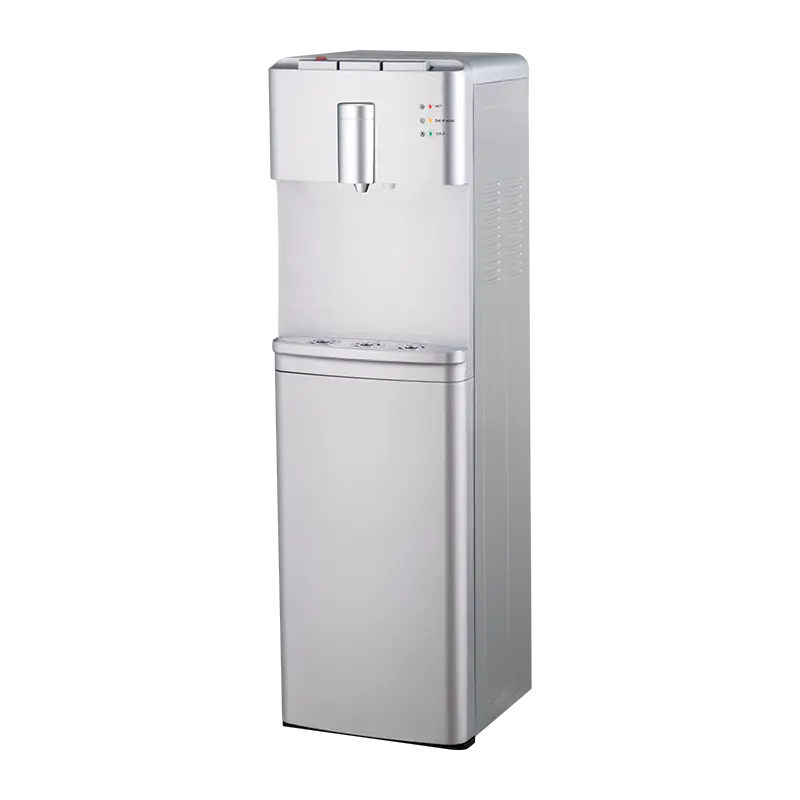
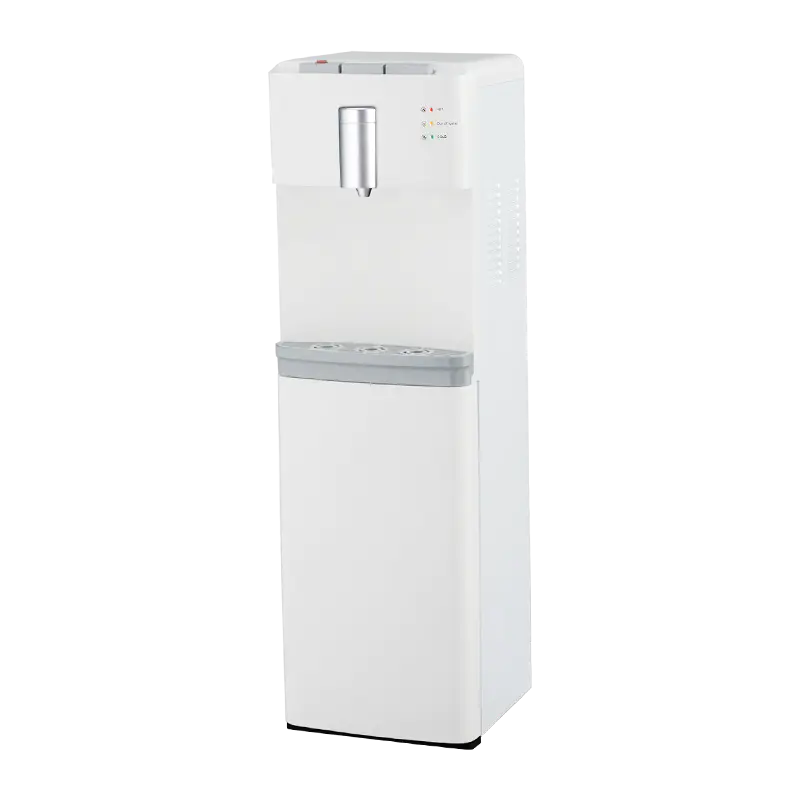
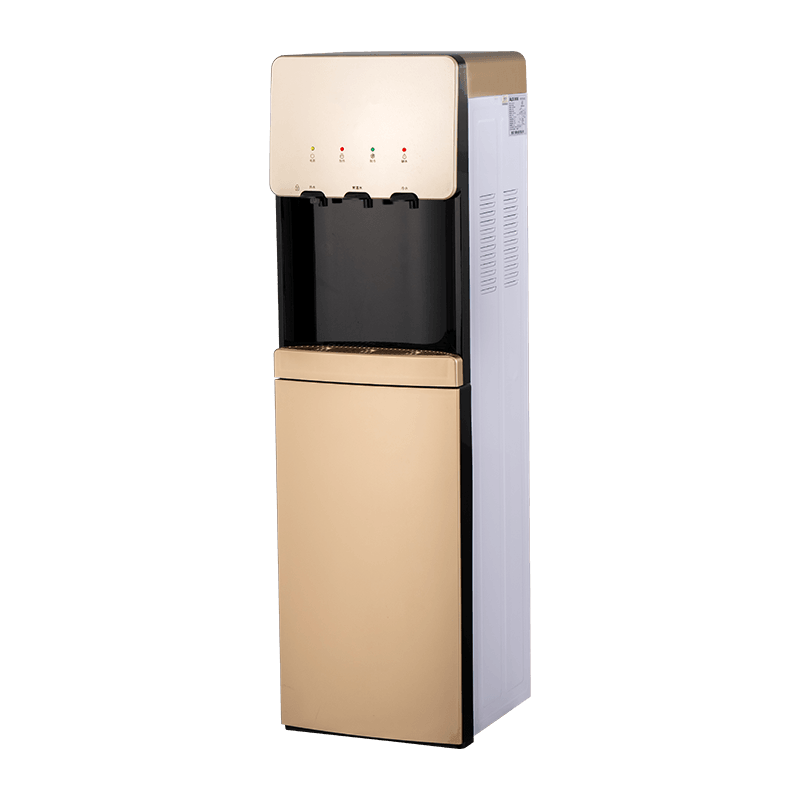
Bottom‑loading: Hides the bottle in a lower compartment, making it easier to load (no heavy lifting). Uses a pump to draw water up, which can be slightly noisier and more expensive. Better for homes with children or elderly users.
Plumbed‑in: Connected directly to the water line, providing unlimited water without bottles. Requires professional installation and is more expensive. Ideal for high‑use areas and eliminates bottle handling.
For many households and small offices, top‑loading remains the most cost‑effective and straightforward solution, provided the user can manage the bottle weight.
Frequently Asked Questions About Top‑loading Water Dispensers
What is a top‑loading water dispenser?
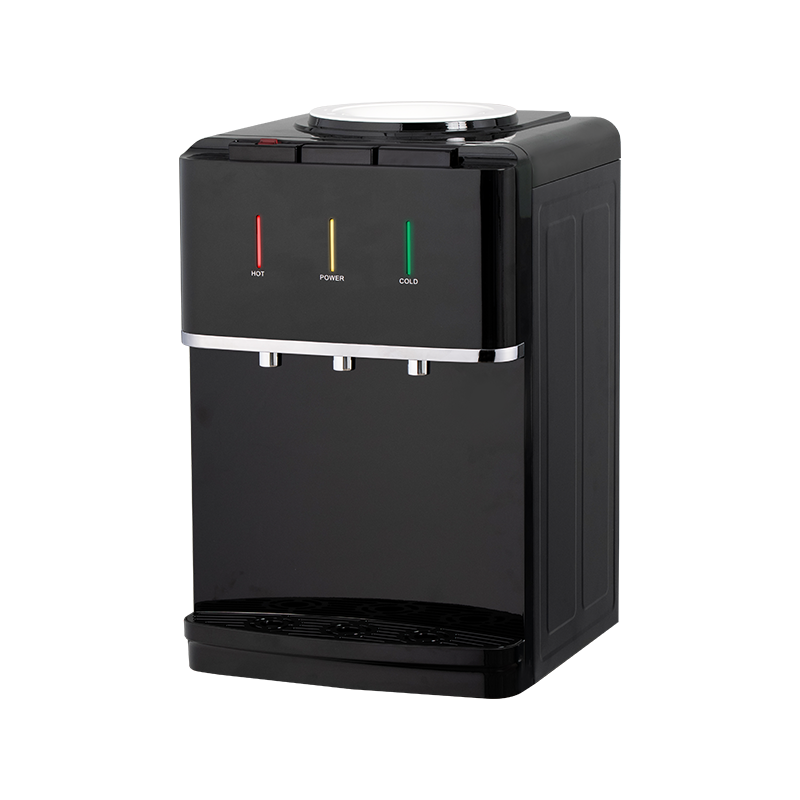
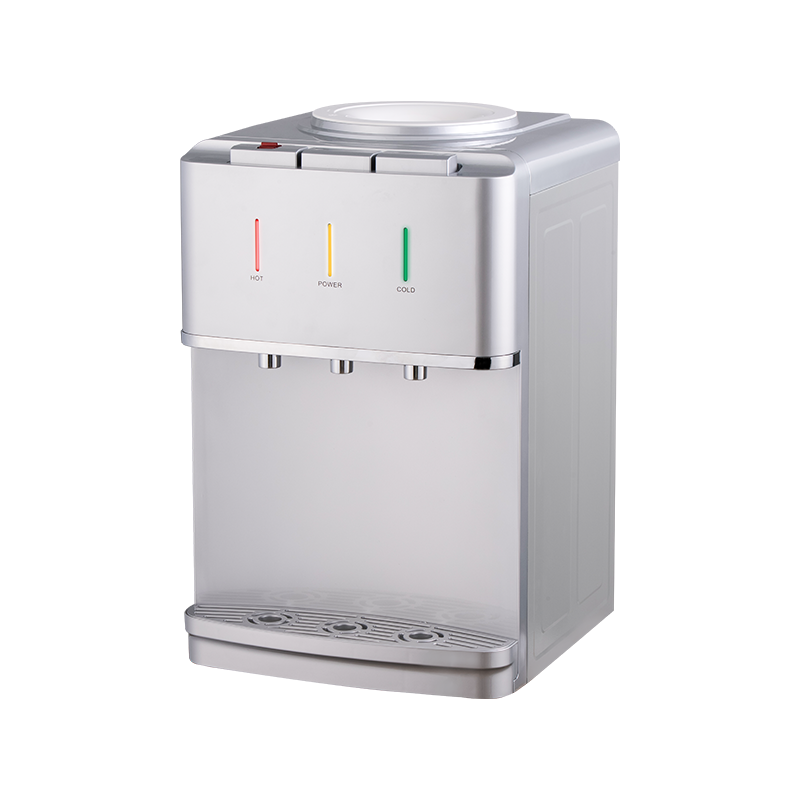
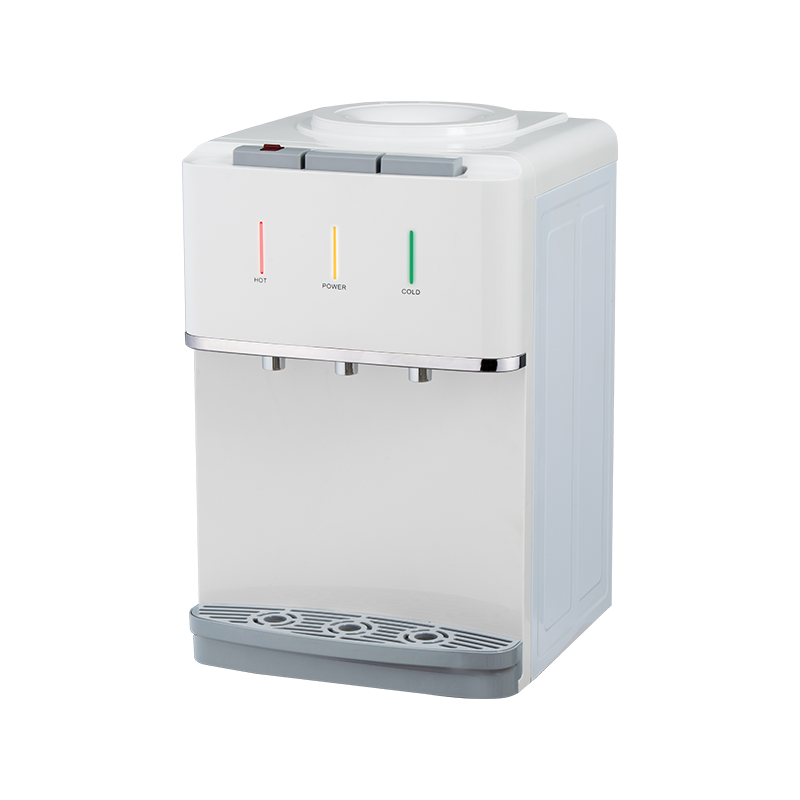
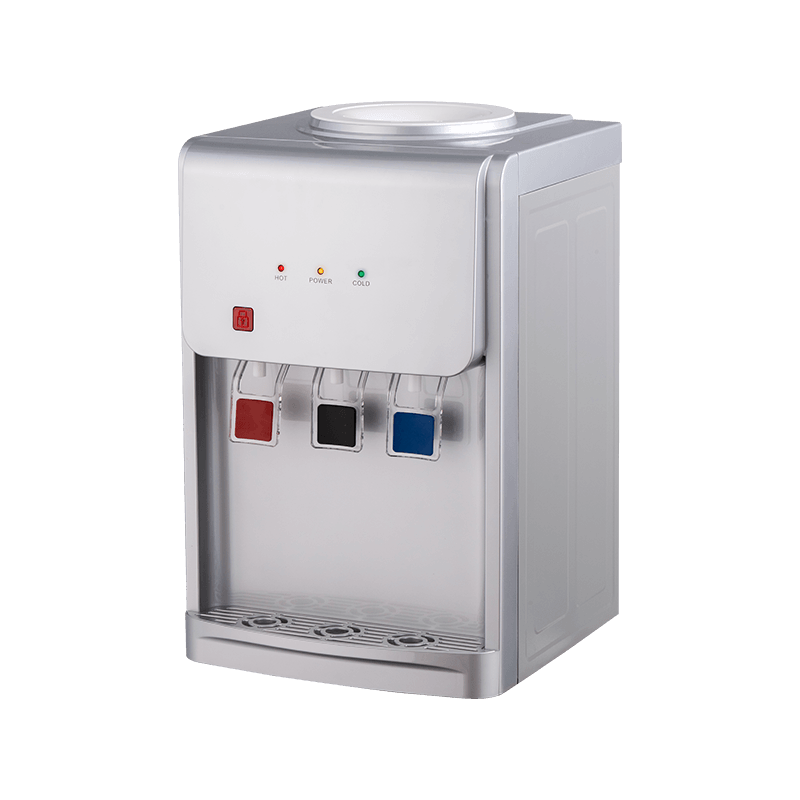
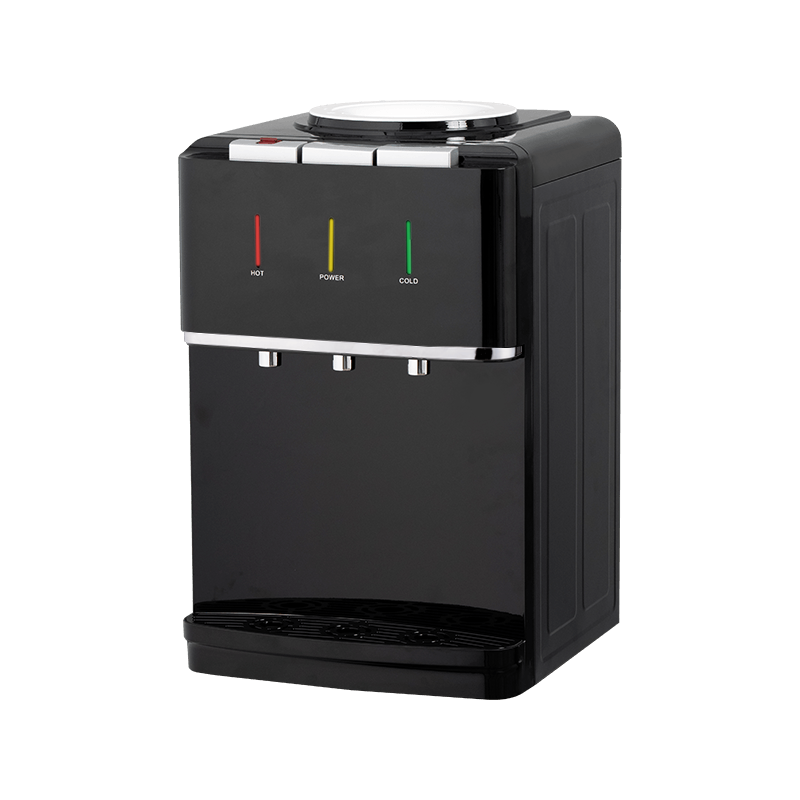
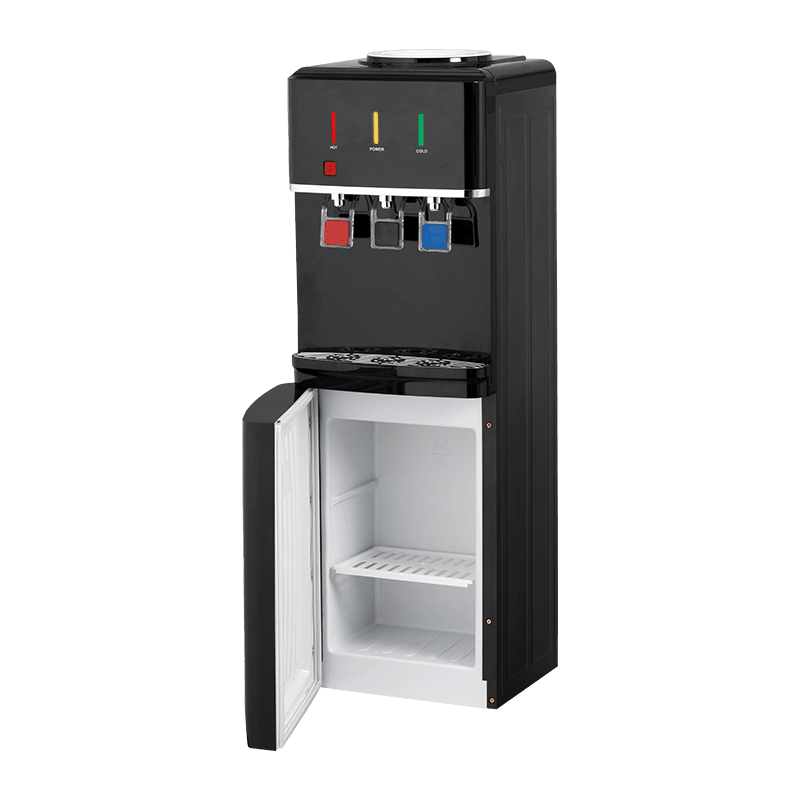
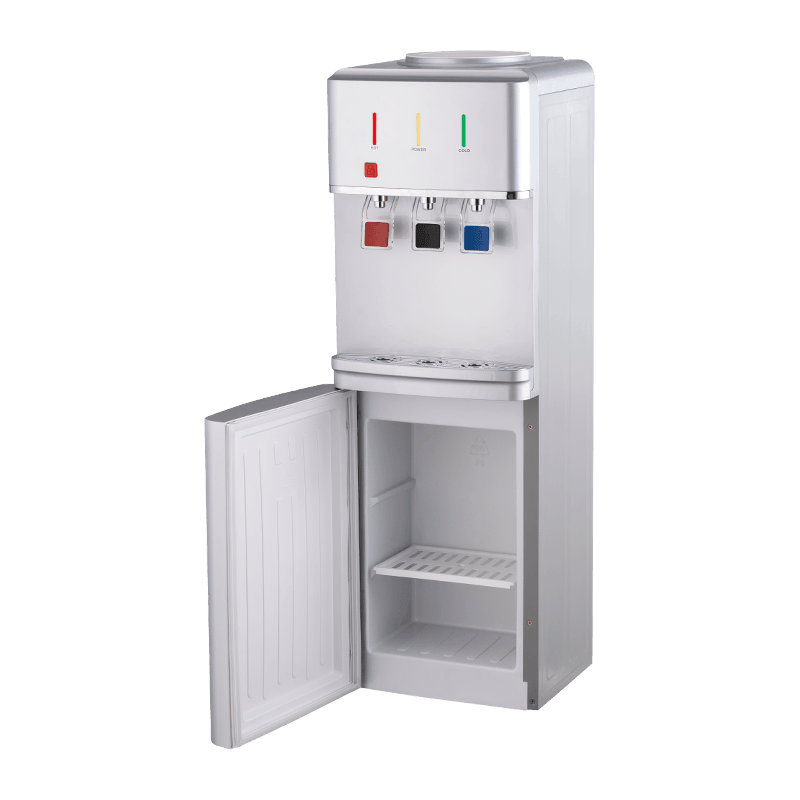
A top‑loading water dispenser is a freestanding appliance that uses a large water bottle placed upside down on top to supply water. It typically dispenses cold, hot, and ambient water.
How do I change the water bottle on a top‑loader?
Lift the empty bottle off the cradle, remove the cap (if reusable), and carefully place a full bottle upside down onto the cradle, inserting the neck into the socket.
Can I use any 5‑gallon bottle with a top‑loading dispenser?
Most top‑loaders are compatible with standard 3‑, 4‑, or 5‑gallon bottles. Check the dispenser's specifications for neck size compatibility.
How much weight do I need to lift for a top‑loading dispenser?
A full 5‑gallon bottle weighs about 40‑45 pounds (18‑20 kg). Consider your physical capability before choosing a top‑loader.
Do top‑loading dispensers need to be plugged in?
Yes, they require an electrical outlet to power the cooling and heating systems, unless they are a non‑electric gravity model (which only provides ambient water).
How do I clean a top‑loading water dispenser?
Regularly clean the drip tray and sanitize internal reservoirs with a mild bleach solution or commercial sanitizer. Follow the manufacturer's instructions.
Are top‑loading dispensers noisy?
Compressor models can produce some hum and clicking. Thermoelectric models are nearly silent. Check the noise rating if noise is a concern.
Can I get boiling water from a top‑loading dispenser?
Most top‑loaders heat water to around 185‑195°F (85‑90°C), which is hot enough for tea and coffee but not boiling. Some premium models may reach higher temperatures.
How long does it take to cool water in a top‑loader?
It typically takes 30‑60 minutes for the water to reach the set temperature after first plugging in or after a new bottle is placed.
Are top‑loading dispensers energy‑efficient?
Many models are Energy Star rated, especially those with compressor cooling. Thermoelectric models generally consume less energy but may cool less effectively in warm rooms.
Can I use a top‑loading dispenser without the hot water function?
Yes, some models offer cold‑only or cold+ambient options. Look for a model that suits your needs.
Is a top‑loading dispenser safe for children?
Most have child‑safety locks on the hot water tap. However, the exposed bottle can be a tipping hazard, so place the dispenser in a secure location.
How often should I change the water bottle?
Change it when empty. Water should not sit in the bottle for more than a week or two to maintain freshness. Clean the bottle seat with each change.
Can I use a top‑loading dispenser for sparkling water?
Some dispensers have carbonation features, but these are less common in top‑loading models. Standard models are designed for still water.
Where can I buy a top‑loading water dispenser?
They are available at appliance stores, big‑box retailers, online marketplaces, and through water delivery services.