English
 Español
 عربى
عربى 中文简体
中文简体

Vertical Water Dispenser Technology and Water Machine Fundamentals
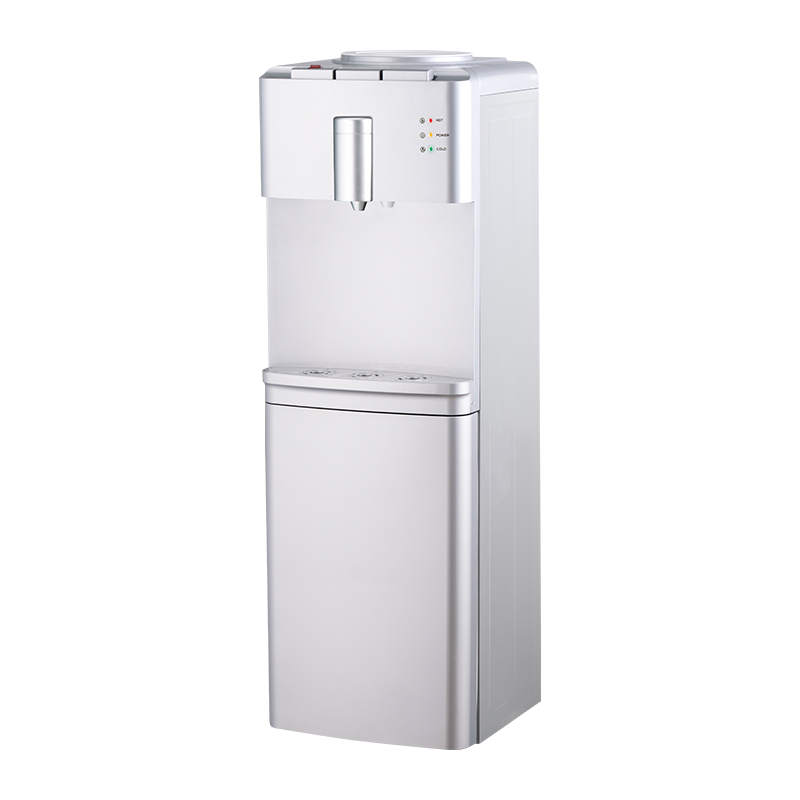
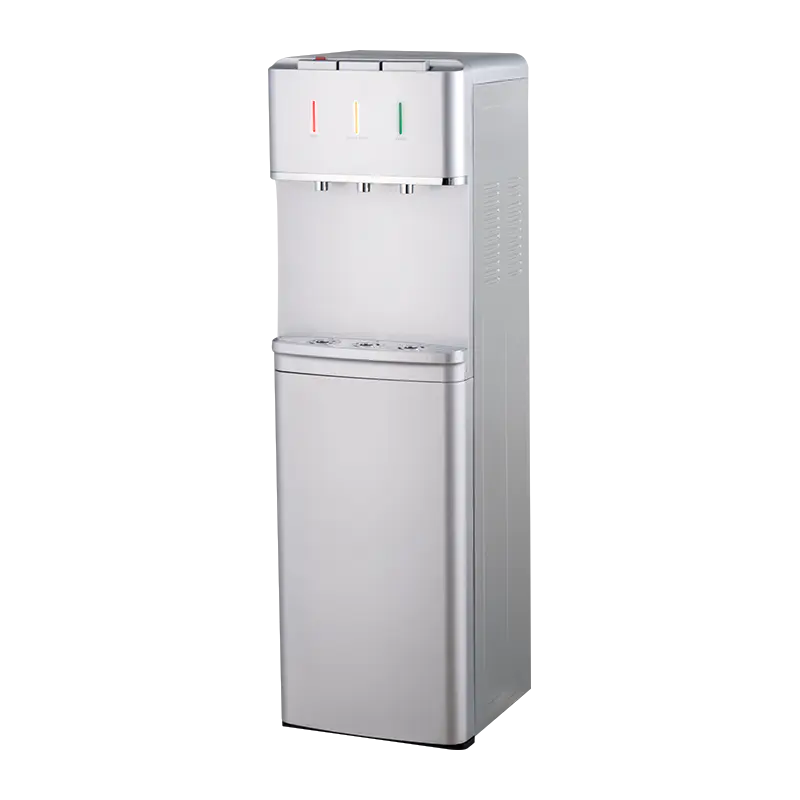
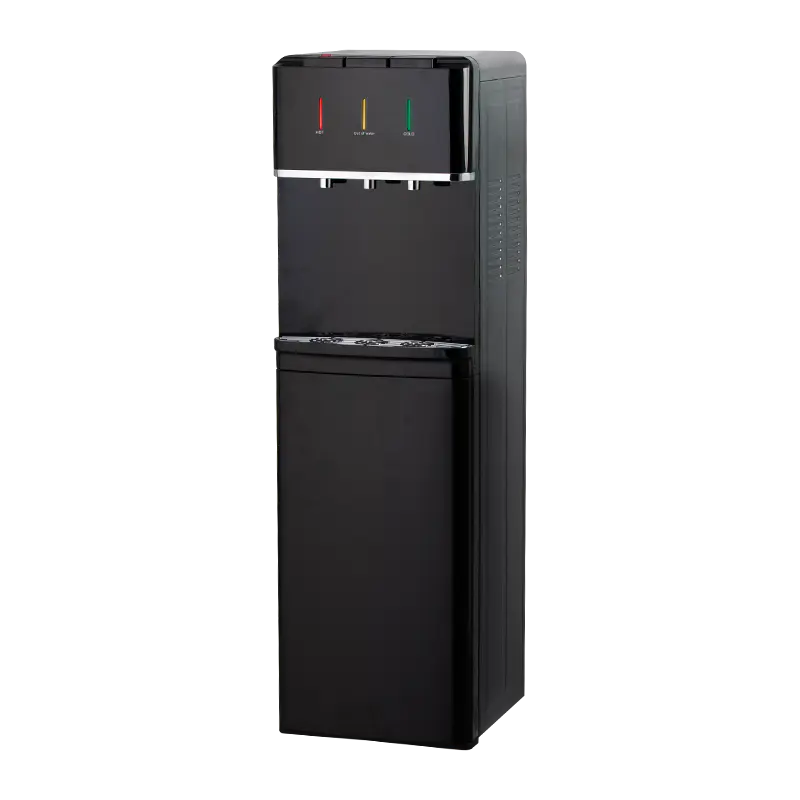
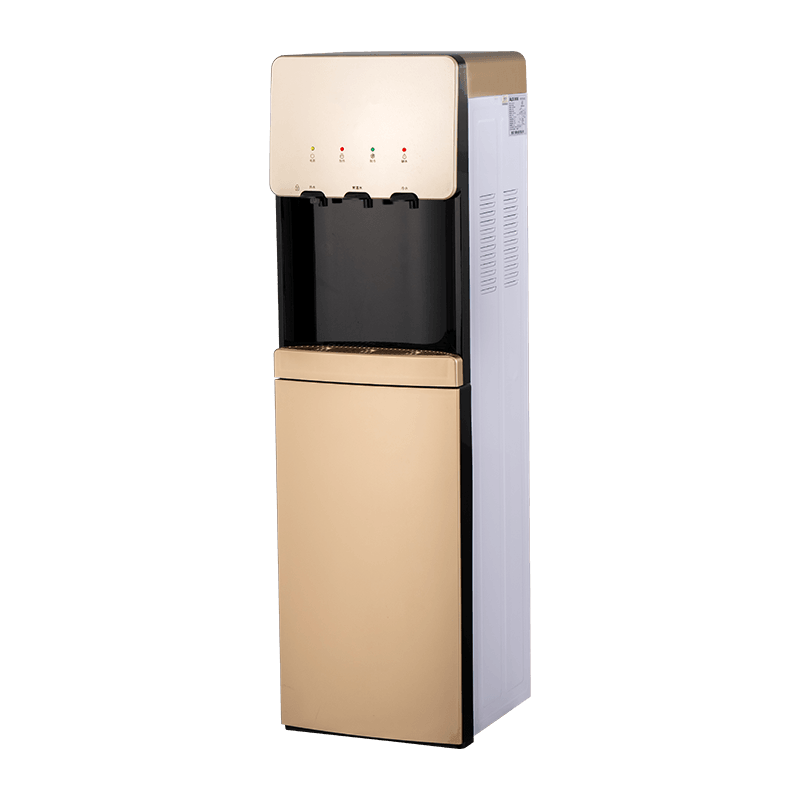
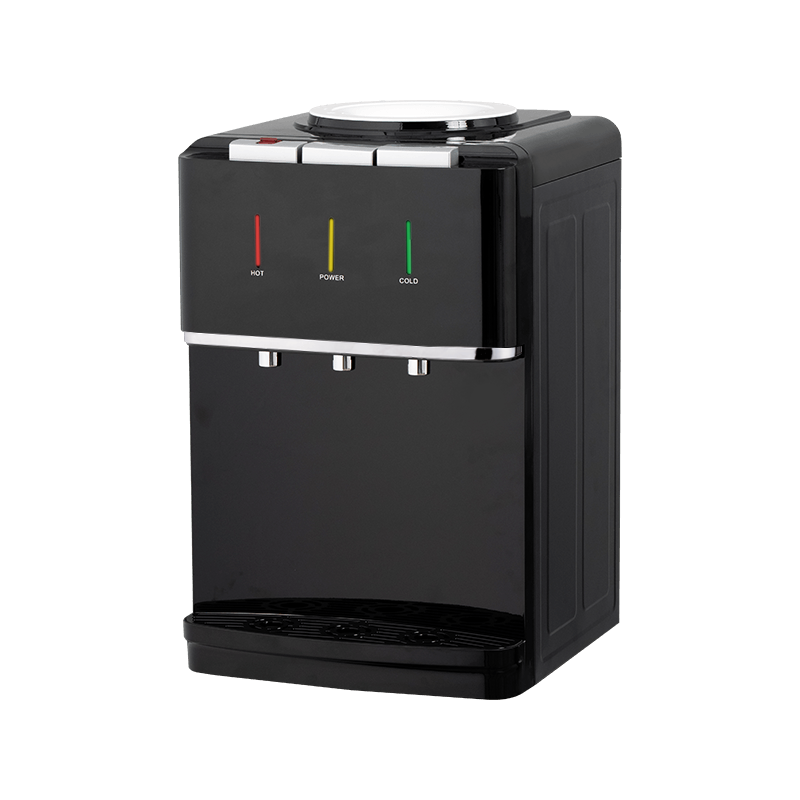
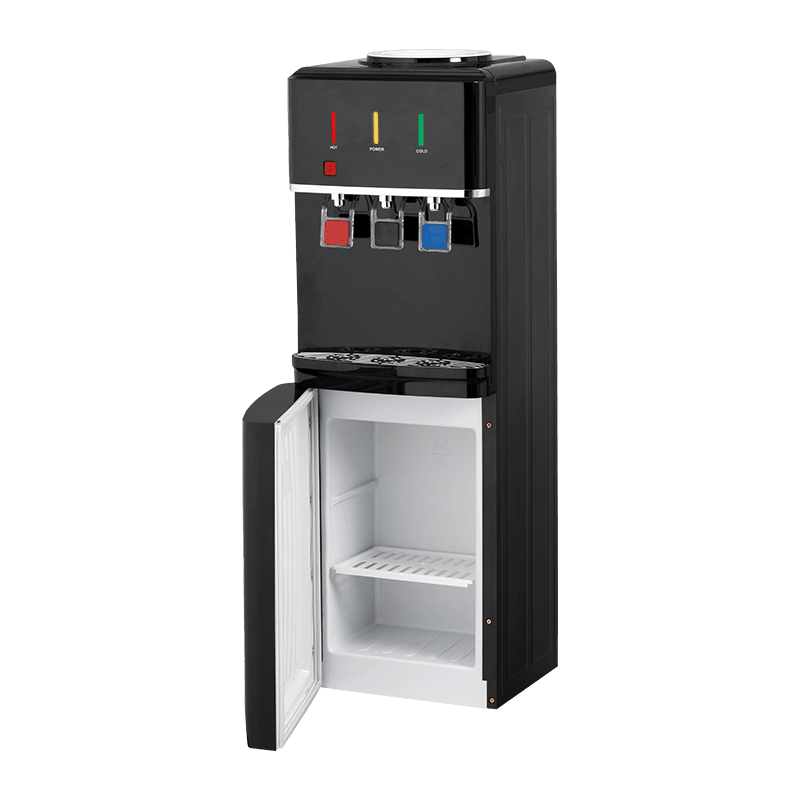
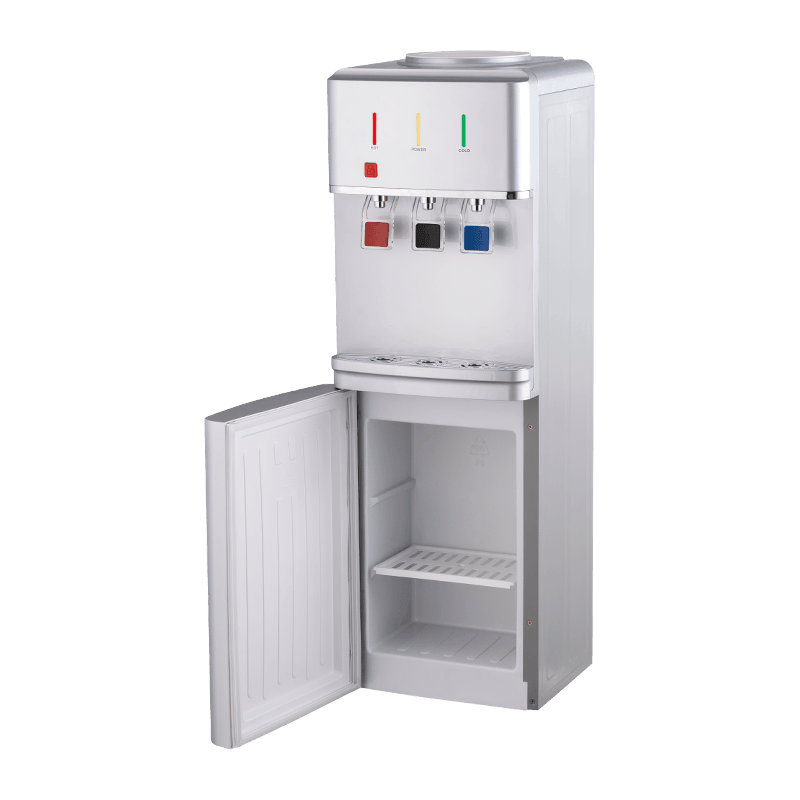
Vertical water dispensers and modern water machines represent essential infrastructure for both residential and commercial environments providing convenient access to purified drinking water while eliminating daily bottle purchases and transportation requirements. Contemporary vertical water dispensers feature compact footprint designs enabling installation in space constrained environments including apartments, offices, and small facilities without requiring dedicated cabinet mounting or extensive plumbing modifications. Advanced water machine technologies incorporating multiple filtration stages, temperature control systems, and energy efficient operation deliver superior water quality and user convenience compared to conventional water cooler alternatives.
Modern water dispensers serve diverse applications from basic filtration and dispensing through sophisticated systems incorporating hot, cold, and ambient temperature options accommodating beverage preparation, cooking, and personal hydration requirements. Selection of appropriate water machine depends on specific environmental requirements, water quality conditions, space availability, and intended usage patterns determining optimal technology and capacity specifications.
Compact design fitting narrow spaces and corners
Advanced purification removing contaminants and impurities
Hot, cold, and ambient dispensing capabilities
Reduced power consumption and operating costs
Water Machine for Home Applications and Residential Benefits
Home water machines deliver significant convenience and health benefits enabling families to access purified drinking water without purchasing, transporting, and storing heavy water bottles. Residential water dispensers eliminating plastic bottle waste contribute to environmental sustainability reducing annual household plastic consumption by 100 to 200 bottles per person annually.
Convenience and Lifestyle Benefits for Households
Home water machines providing instant access to purified drinking water improve family hydration habits by reducing barriers to water consumption enabling children and adults to maintain optimal fluid intake throughout daily activities. Quick dispensing eliminating boiling time for tea and coffee preparation streamlines morning routines and beverage preparation processes.
Water Quality Improvement and Contaminant Removal
Advanced multi stage filtration systems in residential water machines remove chlorine, sediment, heavy metals, and chemical contaminants improving taste quality and health safety compared to unfiltered tap water. Water quality testing demonstrating contaminant removal rates of 95 to 99 percent for common pollutants provides assurance of superior drinking water quality and family health protection.
Cost Savings and Economic Benefits
Household water machine investment eliminating bottled water purchases results in annual cost savings of 500 to 1500 dollars depending on family size and consumption patterns. Multi year cost analysis demonstrates residential water machine investment payback within 12 to 24 months with sustained savings throughout equipment service life spanning 5 to 10 years.
Space Considerations and Installation Requirements
Vertical water dispensers designed for residential use feature compact footprints requiring minimal counter or floor space compared to traditional water coolers. Direct tap water connection models eliminating water bottle handling simplify installation and operation requiring only standard plumbing connection and electrical outlet access.
Environmental Impact and Sustainability Advantages
Home water machine adoption eliminating plastic bottle consumption reduces household environmental impact with average family preventing 200 to 400 pounds annual plastic waste from entering landfills or ocean environments. Reduced transportation requirements for bottled water delivery eliminate carbon emissions associated with manufacturing, shipping, and delivery of disposable bottles.
Water Machine for Office Environments and Workplace Considerations
Office water machines serve critical roles in workplace health and employee satisfaction providing convenient hydration access supporting cognitive function, physical performance, and overall wellness throughout extended work hours. Commercial water dispensers accommodating high volume usage in office environments must provide reliable performance, rapid dispensing capability, and low maintenance operation supporting multiple daily users with consistent water quality.
Employee Productivity and Workplace Wellness Enhancement
Office water machines supporting employee hydration enabling improved cognitive function, reduced fatigue, and enhanced physical performance with studies demonstrating 5 to 10 percent productivity improvement from optimal workplace hydration. Convenient water access encouraging employees to maintain healthy fluid intake reduces midday energy crashes and improves afternoon work quality.
Capacity Requirements and High Volume Dispensing
Commercial office water machines require substantially higher capacity ratings than residential models accommodating 50 to 500 employees with daily water consumption ranging from 5 to 20 gallons per person depending on office size and climate conditions. Advanced dispensing systems providing rapid cooling and heating enable quick beverage preparation supporting beverage service in break rooms and executive areas.
Reliability and Maintenance Requirements
Office installations requiring minimal downtime necessitate highly reliable water machine designs with redundant systems preventing equipment failures disrupting employee access to drinking water. Professional maintenance contracts managing filter replacement and system servicing ensure consistent water quality and equipment reliability supporting continuous office operations.
Hygienic Design and Health Standards Compliance
Commercial water machines incorporating sealed dispensing systems and antibacterial components prevent contamination and microbial growth protecting employee health and satisfying workplace health regulations and standards.
Water Dispenser Types and Technology Options Comparison
Diverse water dispenser technologies serving different applications require careful evaluation of specific requirements including space constraints, water source availability, capacity needs, and intended temperature functionality.
Point of Use Direct Connection Water Machines
Direct tap connection water dispensers eliminating water bottle requirements provide maximum convenience and continuous supply requiring only standard plumbing connection and occasional filter replacement. Superior reliability and lower operating costs compared to bottled water systems make direct connection models increasingly popular for both residential and office installations.
Bottled Water Dispenser Systems
Traditional bottled water coolers accommodating large removable water bottles remain viable option for locations lacking suitable tap water connections or requiring portable installation capability. Bottled system flexibility enabling installation without plumbing modifications appeals to rental properties, temporary installations, and specialized applications requiring portability.
Temperature Control Features and Dispensing Options
Premium water machines incorporating dual temperature systems providing hot and cold water enable beverage preparation including tea, coffee, instant soup, and cold refreshing beverages from single convenient unit. Ambient temperature only models providing room temperature water serve basic hydration needs with minimal energy consumption and lower equipment cost.
| Machine Type | Installation | Daily Capacity | Initial Cost | Maintenance |
|---|---|---|---|---|
| Direct Tap Connection | Plumbing required | Unlimited | 800 to 3000 dollars | Filter replacement every 6 months |
| Bottled Water System | No plumbing needed | 10 to 20 gallons | 200 to 800 dollars | Bottle exchange and cleaning |
| Portable Tank System | No installation | 5 to 10 gallons | 150 to 400 dollars | Water refill at store |
Filtration Technology and Water Quality Assurance
Modern water dispensers incorporating advanced multi stage filtration systems remove diverse contaminants ensuring safe drinking water quality meeting or exceeding municipal water standards and regulatory requirements.
Multi Stage Filtration Systems and Purification Technology
Premium water machines featuring 5 to 7 stage filtration incorporating sediment filters, activated carbon, reverse osmosis, and mineral enhancement stages provide comprehensive water purification removing chlorine, heavy metals, bacteria, and chemical contaminants. Sequential filtration stages progressively refine water quality with each stage removing specific contaminant categories optimizing final water purity and taste quality.
Reverse Osmosis and Advanced Purification Methods
Reverse osmosis technology utilizing semi permeable membranes removes up to 99 percent of dissolved contaminants including salt, fluoride, and various chemical impurities providing exceptionally pure drinking water. Advanced systems incorporating ultraviolet sterilization eliminate bacteria and viruses providing complete microbiological safety.
Filter Replacement and Maintenance Requirements
Typical water machine filter replacement intervals of 6 to 12 months depend on water quality and usage volume with premium filters rated for 10000 to 50000 gallons extending maintenance intervals and reducing operating costs. Professional filter maintenance services ensuring proper replacement procedures and water quality verification support equipment reliability and performance.
Energy Efficiency and Operating Cost Analysis
Modern vertical water dispensers with advanced energy conservation technologies reduce electricity consumption by 50 to 70 percent compared to conventional models minimizing operating costs while maintaining convenient hot and cold water availability.
Power Consumption and Monthly Operating Expenses
Energy efficient water machines consuming 0.5 to 1 kilowatt daily generate monthly electricity costs of 5 to 15 dollars compared to 15 to 30 dollars for conventional models. Annual electricity savings of 120 to 300 dollars accumulate to significant multi year cost reductions justifying investment in premium energy efficient equipment.
Standby Mode and Auto Shutoff Systems
Advanced water dispensers incorporating intelligent standby mode reducing heating and cooling during non operational periods lower overnight and weekend power consumption by 60 to 80 percent compared to continuously operating systems.
Total Cost of Ownership Analysis
Comprehensive cost analysis including equipment purchase, electricity, filter replacement, and maintenance demonstrates direct tap connection water machines achieving cost parity with bottled water systems within 18 to 24 months while providing superior convenience and environmental benefits.
Installation and Space Requirements for Vertical Water Dispensers
Vertical water dispenser design optimizing floor space occupancy enables installation in space constrained environments including compact apartments, small offices, and corner locations where traditional water coolers prove impractical.
Compact Footprint and Installation Space Analysis
Vertical dispensers requiring only 12 to 18 inches width and 18 to 24 inches depth occupy minimal counter or floor space compared to traditional water coolers consuming 24 to 36 square feet of floor area. Corner installation capability maximizing space utilization provides significant advantage in space limited environments.
Plumbing Connection Requirements
Direct tap connection water machines requiring only standard cold water supply connection and drain access provide simple installation without complex plumbing modifications. Professional plumbing installation ensuring proper connection and water pressure regulation optimizes equipment performance and prevents potential water damage.
Electrical Requirements and Power Supply Specifications
Standard 110 volt electrical outlet providing adequate power supply enables installation in most residential and office locations requiring only proximity to existing electrical infrastructure. Modern water dispensers with universal voltage compatibility function with international power standards enabling global installation flexibility.
Ventilation and Air Circulation Considerations
Adequate ventilation around water machine unit ensures proper cooling system operation and prevents heat accumulation affecting equipment efficiency and reliability. Minimum clearance of 6 to 12 inches from walls and surrounding equipment enables optimal air circulation.
Health and Safety Features in Modern Water Machines
Contemporary water dispensers incorporating multiple safety features including thermal protection, child safety locks, and antimicrobial components protect user health and prevent equipment damage ensuring safe operation in both residential and office environments.
Temperature Safety Controls and Burn Prevention
Advanced safety systems limiting hot water temperature to 160 to 170 degrees Fahrenheit prevent serious burns while maintaining sufficient heat for beverage preparation and cooking applications. Thermal protection sensors shutting down heating elements during overheating conditions prevent equipment damage and fire hazards.
Child Safety Locks and Access Control
Child resistant safety lock mechanisms preventing unauthorized access to hot water dispensers protect young children from serious burn injuries in households with small children. Advanced systems enabling selective temperature access control restrict children to cold or ambient water only while permitting adult access to hot water when needed.
Antimicrobial and Hygiene Features
Stainless steel dispensing components incorporating antimicrobial technology prevent bacterial growth and contamination providing hygienic water dispensing supporting user health and safety. Regular filter replacement and system maintenance ensure continued antimicrobial effectiveness throughout equipment service life.
Frequently Asked Questions About Water Dispensers and Water Machines
Question: What is the difference between a vertical water dispenser and traditional water cooler?
Vertical water dispensers designed with compact footprints require only 12 to 18 inches width compared to traditional coolers consuming 24 to 36 square feet enabling installation in space constrained environments. Vertical models often incorporate advanced filtration and temperature control providing superior functionality in compact form factor.
Question: How much money can a household save using water machine for home instead of bottled water?
Household water machine investment eliminating bottled water purchases results in annual savings of 500 to 1500 dollars depending on family size with cost recovery occurring within 12 to 24 months of equipment purchase.
Question: What are the benefits of water machine for office productivity and employee wellness?
Office water machines supporting employee hydration improve cognitive function by 5 to 10 percent reducing fatigue and enhancing afternoon work quality with convenient water access encouraging employees to maintain optimal fluid intake.
Question: How often should water machine filters be replaced?
Typical filter replacement intervals of 6 to 12 months depend on water quality and usage volume with premium filters rated for 10000 to 50000 gallons extending maintenance intervals.
Question: Can water dispensers connect to existing tap water supply without plumbing modifications?
Direct tap connection water machines requiring only standard cold water supply connection and drain access provide simple installation without complex plumbing modifications in most residential and office locations.
Question: What is the power consumption of modern energy efficient water machines?
Energy efficient water machines consuming 0.5 to 1 kilowatt daily generate monthly electricity costs of 5 to 15 dollars achieving annual savings of 120 to 300 dollars compared to conventional models.
Question: Do water dispensers reduce plastic waste and environmental impact?
Home water machine adoption eliminating plastic bottle consumption prevents 200 to 400 pounds annual plastic waste from entering landfills with average family reducing environmental impact by avoiding plastic manufacturing and transportation emissions.
Question: What safety features protect users from hot water burns in water machines?
Advanced safety systems limiting hot water temperature to 160 to 170 degrees Fahrenheit prevent serious burns while child resistant safety locks prevent unauthorized access protecting young children.
Question: How much space does vertical water dispenser actually occupy?
Vertical dispensers requiring only 12 to 18 inches width and 18 to 24 inches depth occupy minimal counter or floor space enabling installation in corner locations and space constrained environments.
Question: What filtration capabilities do premium water machines provide?
Premium water machines featuring 5 to 7 stage filtration incorporating reverse osmosis remove up to 99 percent of dissolved contaminants including chlorine, heavy metals, bacteria, and chemical impurities ensuring safe drinking water quality.
Essential Summary for Water Dispenser Selection and Implementation
- Vertical water dispensers provide space efficient solution for compact environments requiring minimal floor space
- Water machine for home delivers significant cost savings of 500 to 1500 dollars annually while improving family hydration
- Water machine for office enhances employee productivity with 5 to 10 percent improvement supporting wellness and hydration
- Advanced filtration removes 95 to 99 percent of contaminants ensuring safe drinking water quality
- Energy efficiency reduces monthly electricity costs from 15 to 30 dollars to only 5 to 15 dollars
- Direct tap connection eliminates water bottle handling and transportation requirements
- Environmental benefits prevent 200 to 400 pounds annual plastic waste from landfills
- Safety features including child locks and temperature controls protect household and office users
- Installation flexibility requiring only standard electrical outlet and optional plumbing connection
- Cost recovery within 12 to 24 months with multi year cost savings justifying equipment investment