English
 Español
 عربى
عربى 中文简体
中文简体

How Does a Vertical Water Dispenser Work?
The operation of a vertical water dispenser depends on its type—bottle‑fed versus plumbed‑in—and the technologies used for heating and cooling.
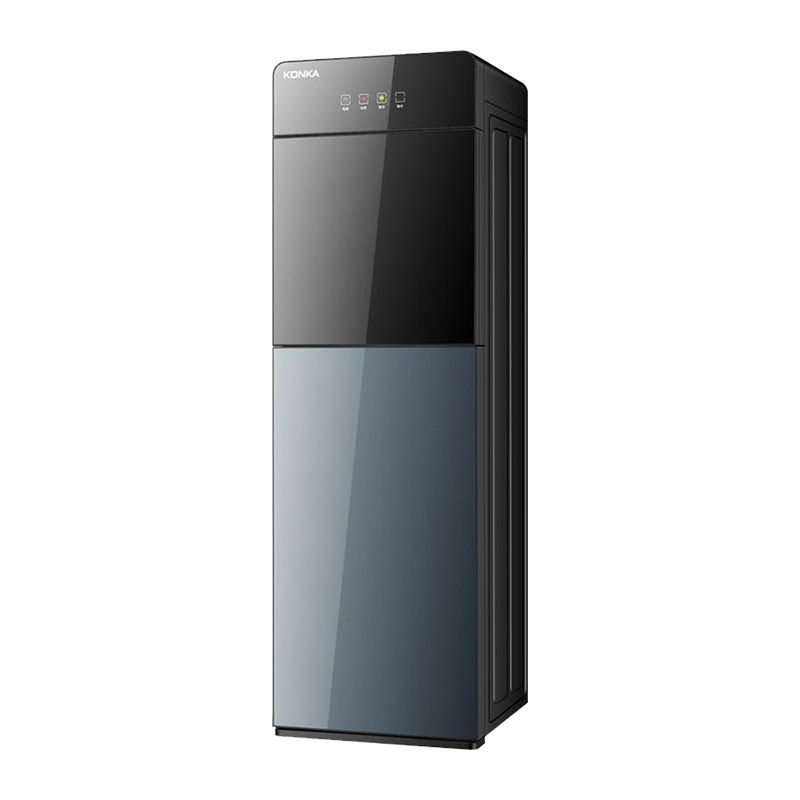
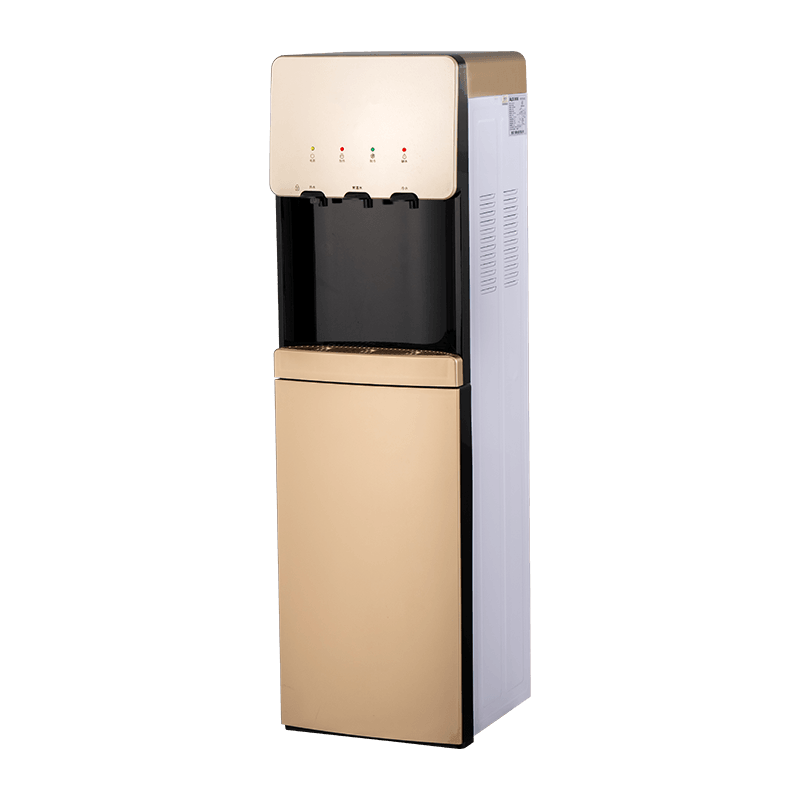
In a top‑loading bottle‑fed dispenser, a large water bottle is placed upside down on the top cradle. The bottle's neck fits into a probe that pierces the cap, allowing water to flow into an internal reservoir. A float valve or sensor controls the water level to prevent overflow. From the reservoir, water is directed to the cold water tank (usually cooled by a compressor or thermoelectric system) and, if available, to the hot water tank (heated by a heating element). When a user presses the corresponding tap, water is dispensed through a nozzle.
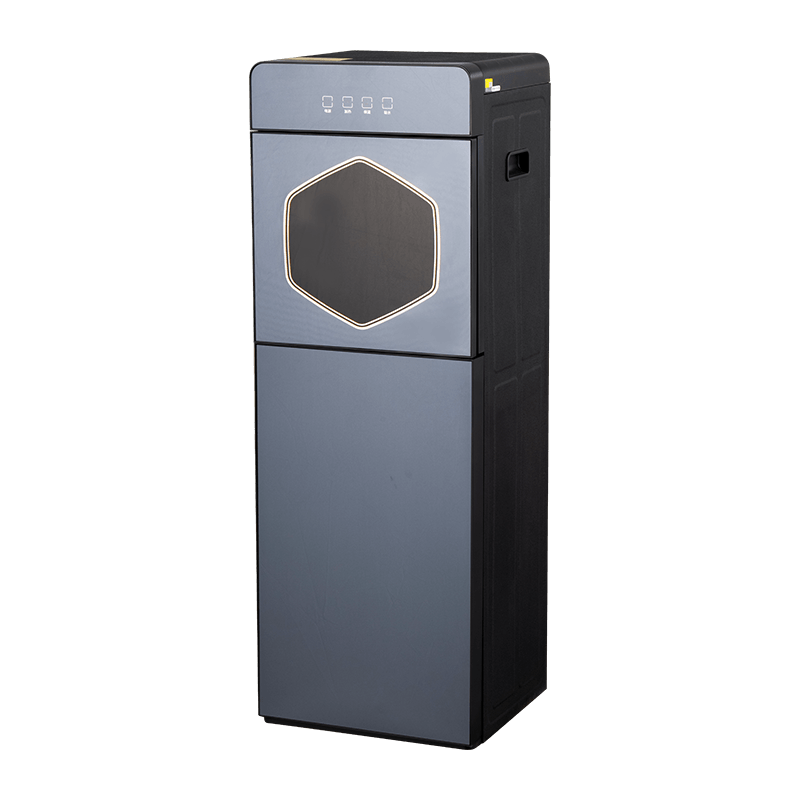
In a bottom‑loading dispenser, the bottle sits in a lower compartment. A small electric pump draws water up to the reservoirs, eliminating the need to lift heavy bottles. This design also reduces the risk of spills and makes bottle changes easier.
Plumbed‑in vertical water dispensers connect directly to the building's water supply. They often include built‑in filtration systems to purify the water before dispensing. These units do not require bottle changes, providing an endless supply of water.
For cooling, most vertical dispensers use a compressor‑based system (similar to a refrigerator) to chill water, achieving temperatures of 40‑50°F (4‑10°C). Some smaller units use thermoelectric cooling, which is quieter but less efficient. For hot water, a heating element raises the temperature to 185‑195°F (85‑90°C), suitable for making tea, coffee, or instant soups. Some models include a child‑safety lock on the hot water tap to prevent accidental scalding.
Many modern vertical dispensers also feature digital displays, indicating water temperature, filter life, and other status information. Some have UV sterilization or ozone treatment to maintain water purity.
Types of Vertical Water Dispensers
Vertical water dispensers come in several configurations, each suited to different settings and user preferences.
Bottle‑Fed Vertical Water Dispensers
These are the classic office water coolers. They use replaceable water bottles (typically 3‑5 gallons) and are available in top‑loading and bottom‑loading designs. They are easy to set up and do not require plumbing connections, making them ideal for rental spaces or temporary setups. However, they require regular bottle replacement and storage space for spare bottles.
Plumbed‑In Vertical Water Dispensers
Plumbed‑in dispensers are connected directly to the building's water line. They often include advanced filtration systems and can provide unlimited water without the need for heavy bottles. They are more expensive to install but offer lower operating costs and less waste. They are popular in permanent office installations, schools, and hospitals.
Hot and Cold Vertical Water Dispensers
Most vertical dispensers offer both hot and cold water, providing year‑round convenience. Cold water is refreshing in summer, while hot water is useful for beverages and cooking. Some models also offer room‑temperature water as a third option.
Vertical Water Dispensers with Built‑In Filtration
These units incorporate filters (activated carbon, reverse osmosis, UV, etc.) to remove impurities, chlorine, and odors, improving taste and safety. Filtration systems are especially valuable in areas with poor tap water quality.
Smart Vertical Water Dispensers
Smart dispensers include touchscreen controls, Wi‑Fi connectivity, and app integration, allowing users to monitor usage, filter status, and even order bottle replacements automatically. Some models include voice activation or customizable preset volumes for dispensing.
Key Features to Consider When Buying a Vertical Water Dispenser
Selecting the right vertical water dispenser involves evaluating several important factors to match your specific needs.
Capacity and Output: Consider the expected daily water consumption. For a small office or family, a dispenser with a 3‑gallon capacity may suffice. For larger groups, look for models with larger reservoirs or plumbed‑in connection.
Cooling and Heating Technology: Compressor‑based coolers are more efficient for high‑volume cold water use, while thermoelectric coolers are quieter but less powerful. For hot water, ensure the heating element can deliver sufficient temperature and recovery rate.
Filtration System: If you use tap water, choose a model with a built‑in filter to remove contaminants. Consider filter type, replacement frequency, and cost.
Energy Efficiency: Look for energy‑star rated models or those with standby modes to reduce electricity consumption, especially if the dispenser runs 24/7.
Safety Features: Child‑safety locks on hot water taps are essential if children or elderly persons are present. Also check for stability and anti‑tip design.
Ease of Bottle Loading: If opting for a bottle‑fed model, decide between top‑loading and bottom‑loading. Bottom‑loading is more ergonomic and spill‑resistant.
Maintenance and Cleaning: Look for units with removable drip trays, easy‑access reservoirs, and self‑cleaning or UV sanitation features to simplify upkeep.
Design and Footprint: Ensure the dispenser fits your available space and complements your décor. Many models come in sleek stainless steel, black, or white finishes.
Noise Level: Compressor‑based models may produce some hum; if noise is a concern, consider thermoelectric or quieter compressor units.
Warranty and Support: Check the manufacturer's warranty and availability of service centers, especially for complex models.
Balancing these features with your budget will help you find the perfect vertical water dispenser for your environment.
Vertical Water Dispenser vs. Countertop Dispenser: Which Is Better?
Both vertical and countertop water dispensers serve the same purpose, but they are suited to different settings.
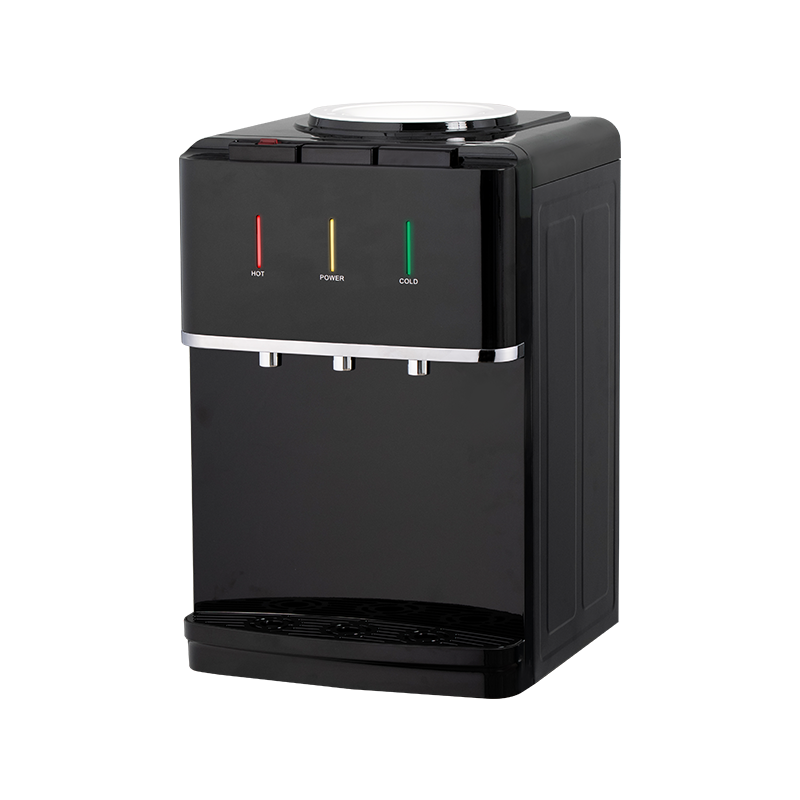
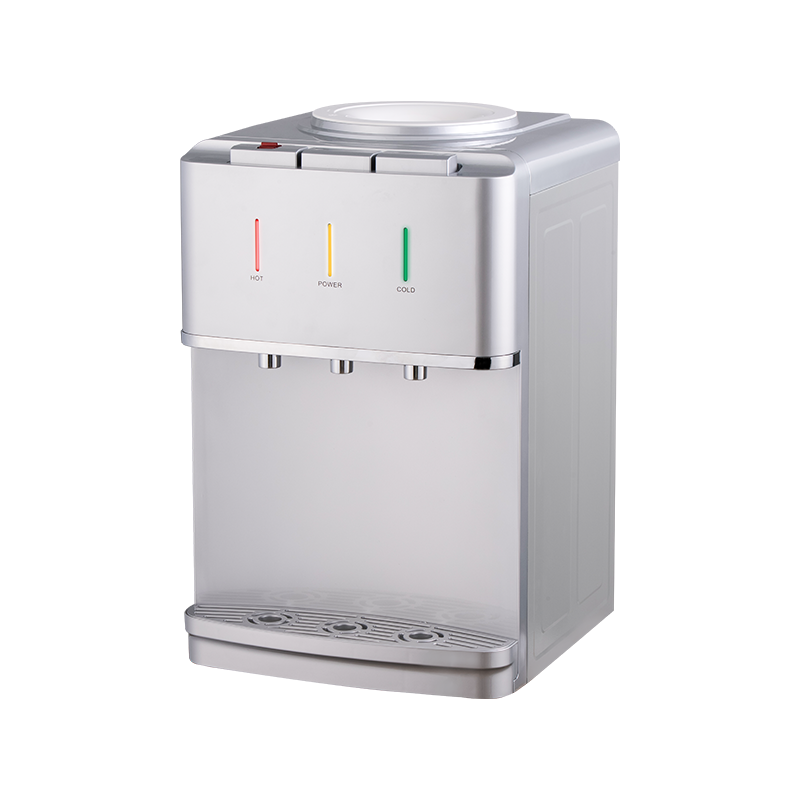
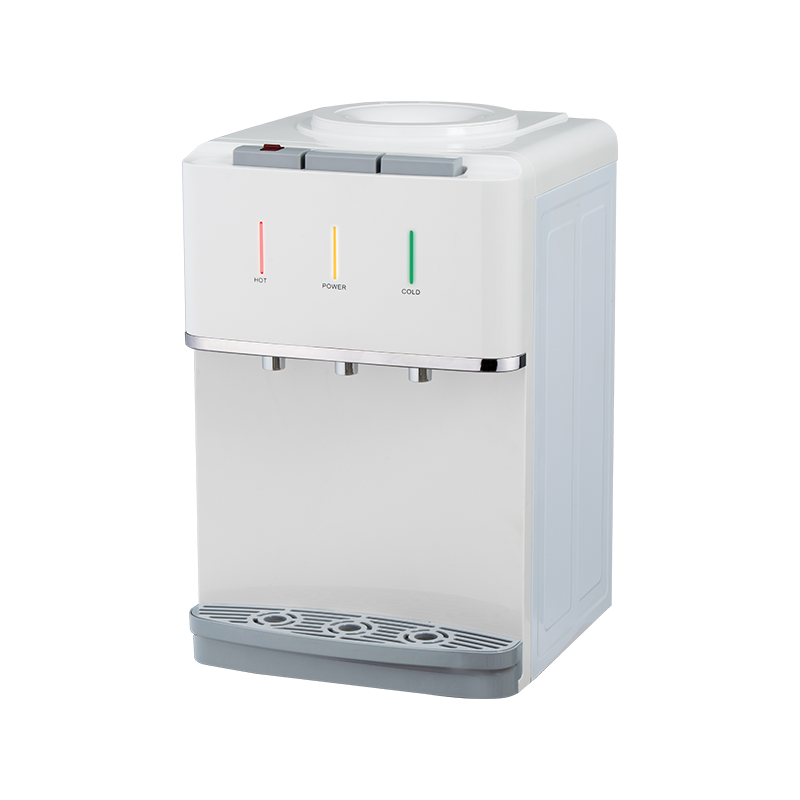
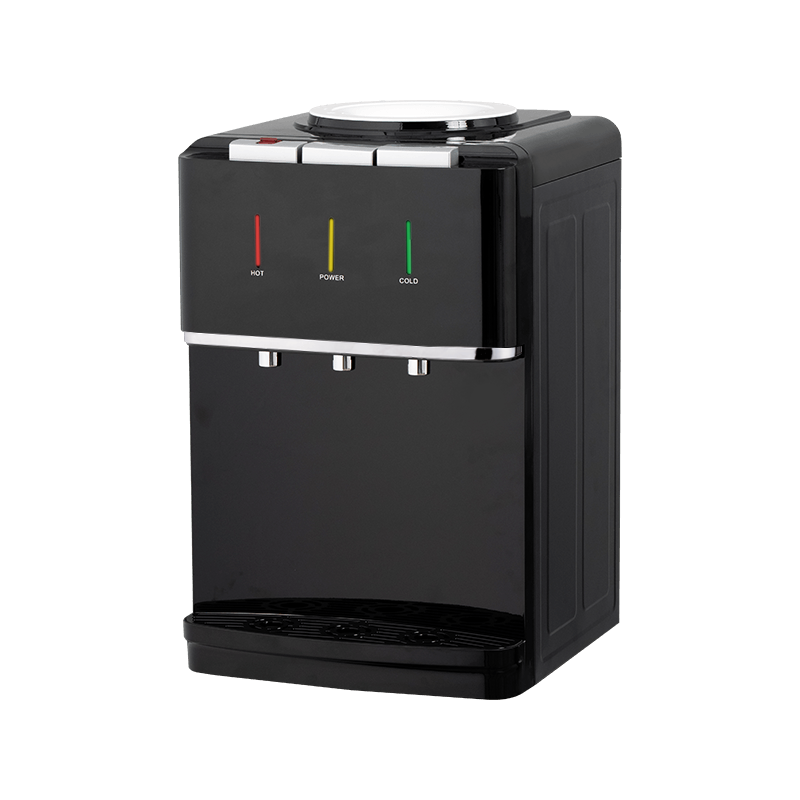
Size and Capacity: Vertical dispensers are larger and can hold bigger bottles or plumbed‑in systems, making them ideal for high‑volume use. Countertop models are compact and fit on a desk or table, suitable for small households or personal use.
Placement: Vertical dispensers stand on the floor and are not portable, while countertop models can be moved easily. Vertical units are better for common areas, whereas countertop units are convenient for private offices or small kitchens.
Storage: Vertical dispensers often have extra storage space for cups or small items, which countertop models lack.
Cost: Countertop dispensers are generally more affordable, while vertical units offer greater capacity and features at a higher price point.
For a busy office, classroom, or gym, a vertical water dispenser is the preferred choice. For a single user or a tiny apartment, a countertop model may suffice.
Installation and Setup of Vertical Water Dispensers
Installing a vertical water dispenser is generally straightforward, but it varies depending on the type.
Bottle‑Fed Dispensers: Simply position the unit on a level floor, plug it into a grounded outlet, and place the water bottle on top (for top‑loading) or in the bottom compartment (for bottom‑loading). Wait a few minutes for water to settle and temperature to stabilize before dispensing. Some models may require priming the pump for bottom‑loading units.
Plumbed‑In Dispensers: These require a water line connection. Typically, you need a shut‑off valve and a dedicated water supply line. It is advisable to have a licensed plumber install the unit to ensure compliance with local codes. The unit may also require a drainage connection for the waste water if it uses reverse osmosis.
Always read the manufacturer's instructions for specific setup steps, including any initial flushing or cleaning procedures.
Maintenance and Cleaning of Vertical Water Dispensers
Regular maintenance ensures clean water and prolongs the life of your dispenser.
Daily/Weekly: Empty and clean the drip tray to prevent bacteria growth. Wipe the exterior and dispensing area with a mild detergent and soft cloth.
Monthly: Drain and clean the internal reservoirs. Follow the manufacturer's descaling procedure if scale buildup is evident, especially if using hard water. Replace water bottles promptly and clean the bottle probe or seat.
Filter Replacement: For models with filters, replace them according to the schedule (usually every 3‑6 months, depending on usage and water quality). Some units have indicators to remind you.
Sanitization: Many manufacturers recommend a periodic sanitization using a food‑grade sanitizing solution to eliminate biofilm and bacteria. Some models have built‑in UV or ozone sanitization systems.
Inspect for Leaks: Check connections and seals regularly to prevent water damage.
Always unplug the dispenser before cleaning internal components, and follow safety guidelines.
Energy Efficiency and Sustainability
Vertical water dispensers, especially those with hot and cold functions, consume electricity. Choosing an energy‑efficient model can reduce operating costs and environmental impact.
Look for units with energy‑star certification, which meet strict efficiency guidelines. Many modern dispensers have an "eco‑mode" that turns off the heating or cooling elements during periods of low usage (e.g., overnight). Some models use advanced insulation to reduce heat loss.
In terms of sustainability, bottle‑fed dispensers generate plastic waste from disposable bottles. To minimize this, opt for plumbed‑in units or use refillable bottles and recycling services. Some manufacturers offer bottle‑exchange programs with reusable containers. A vertical water dispenser with a good filtration system can reduce the need for single‑use plastic bottles, contributing to a lower environmental footprint.
Common Applications of Vertical Water Dispensers
Vertical water dispensers are versatile and used in many settings:
Offices: Employee hydration is essential for productivity and health. Vertical dispensers provide a central, convenient source of water.
Schools and Universities: Students and staff benefit from easy access to clean drinking water.
Gyms and Fitness Centers: Hydration is critical during workouts; vertical dispensers offer fast, high‑volume refills.
Hospitals and Healthcare Facilities: Patients, visitors, and staff require safe water, often with filtration to ensure purity.
Hotels and Hospitality: Guests appreciate the convenience of a water dispenser in lobbies or common areas.
Homes: Families use vertical dispensers to avoid the hassle of juggling water bottles and to have instant hot and cold water.
Troubleshooting Common Issues
Even reliable dispensers can encounter problems. Here are some typical issues and solutions.
Water not dispensing: Check if the bottle is empty (for bottle‑fed) or the water supply is on (for plumbed‑in). For bottom‑loading pumps, check the pump operation and power connection. Also check for a blocked tube or airlock—sometimes opening the pressure relief valve helps.
Water is not cold or hot: Allow time for the unit to reach temperature after plugging in (usually 30‑60 minutes). Check if the cooling/heating switch is on. For compressor‑based units, ensure the condenser is clean and not blocked.
Water tastes bad or has odor: The filter may need replacement or the reservoir may require cleaning. Run a cleaning cycle with a sanitizing solution.
Leaking water: Check the bottle seat, connections, and drain plug. Worn seals may need replacement. For plumbed units, inspect the inlet and outlet connections.
Unusual noise: Compressor noises are normal, but excessive vibration may indicate the unit is not level or there is a loose component.
If problems persist, consult the user manual or contact customer support.
Frequently Asked Questions About Vertical Water Dispensers
What is a vertical water dispenser?
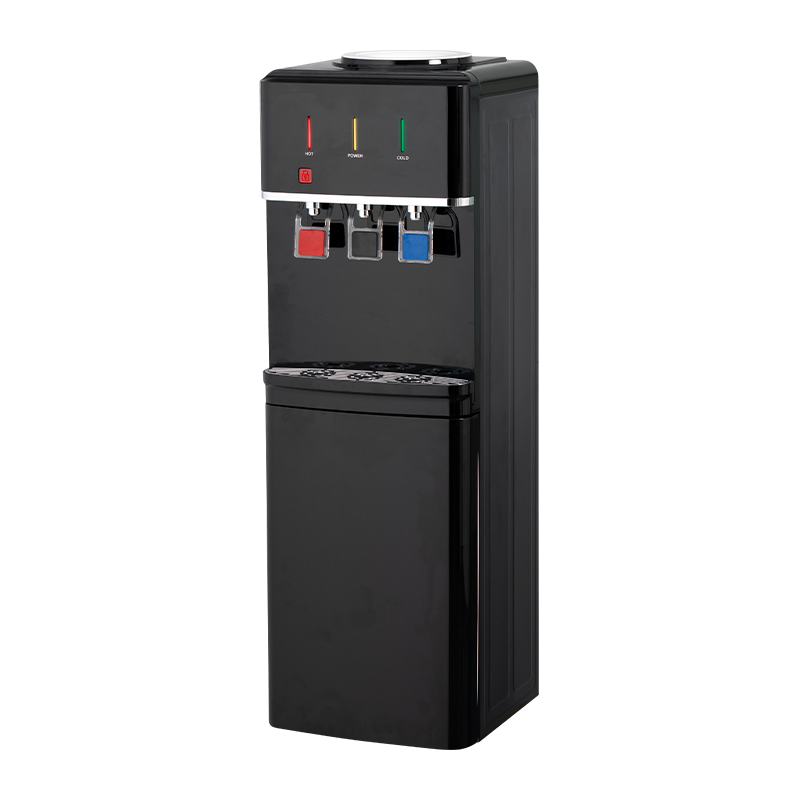
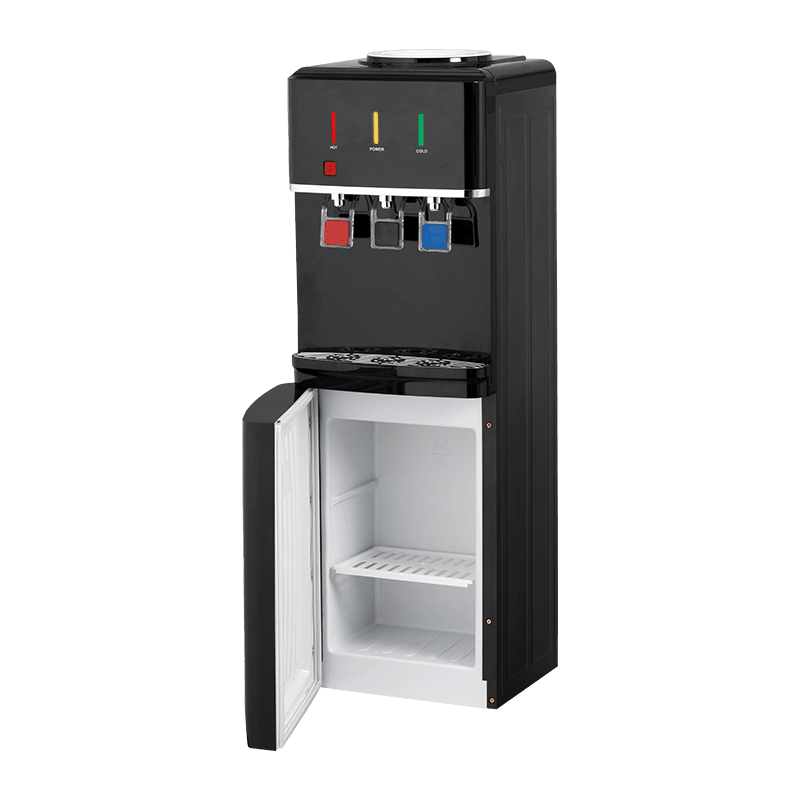
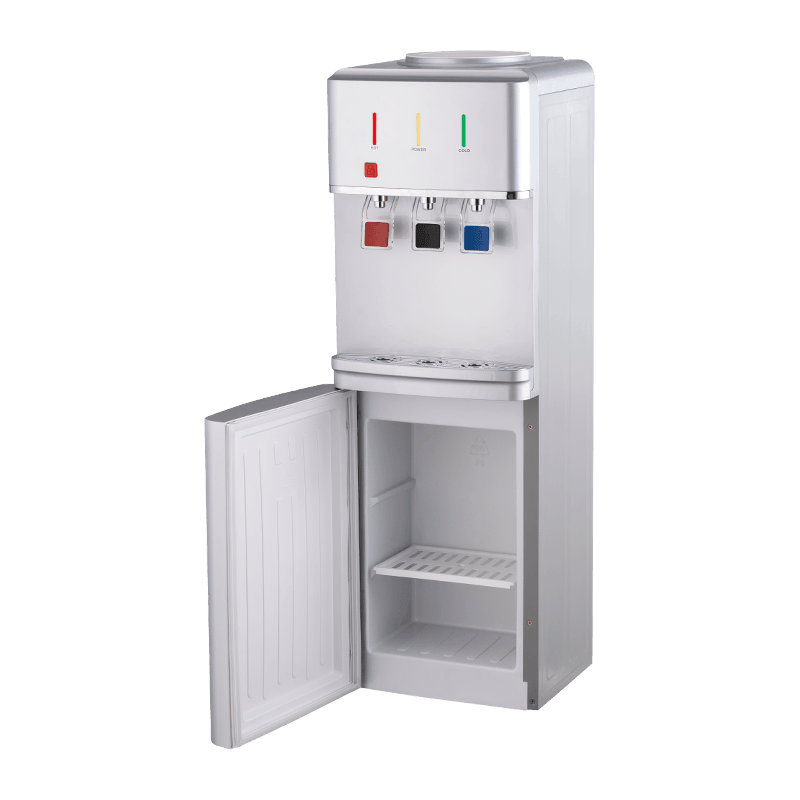
A vertical water dispenser is a freestanding floor‑standing appliance that provides instant access to drinking water, usually with both cold and hot options. It can be bottle‑fed or plumbed‑in, and is commonly used in homes, offices, and public spaces.
What is the difference between top‑loading and bottom‑loading vertical water dispensers?
Top‑loading dispensers have the water bottle placed on top, while bottom‑loading units have a lower compartment for the bottle. Bottom‑loading is easier and safer because you do not have to lift heavy bottles overhead.
Can a vertical water dispenser be used without a water bottle (plumbed‑in)?
Yes, some vertical dispensers are designed to connect directly to the building's water supply, eliminating the need for bottles. These are plumbed‑in models and often include built‑in filtration.
How often should I clean a vertical water dispenser?
Clean the drip tray and exterior weekly. Drain and sanitize the internal reservoirs every 1‑2 months, and replace filters according to the manufacturer's schedule.
Are vertical water dispensers energy‑efficient?
Many modern models are energy‑star rated and include eco‑modes to save power. However, they do consume electricity, especially for heating and cooling. Energy‑efficient options are available.
Can a vertical water dispenser dispense boiling water?
Most vertical water dispensers heat water to 185‑195°F (85‑90°C), which is hot enough for tea and coffee but not boiling (212°F). Some high‑end models may offer near‑boiling temperatures.
Do vertical water dispensers require a water filter?
Not all models include filtration. If you are using bottled water, a filter may not be necessary. For tap water, filters improve taste and remove contaminants. Some plumbed‑in models include advanced filtration systems.
How much space does a vertical water dispenser need?
Vertical dispensers typically require about 12‑18 inches of depth and width, and they are about 3‑4 feet tall. Check product specifications for exact dimensions.
Can I put a vertical water dispenser on carpet?
It is not recommended because the unit needs a stable, level surface. Carpet can cause instability and may block ventilation. Place it on a hard, flat floor.
What is the average lifespan of a vertical water dispenser?
With proper maintenance, a quality vertical water dispenser can last 10‑15 years or more. The lifespan depends on usage, water quality, and regular servicing.
Are there child‑safe features on vertical water dispensers?
Many models include a child‑safety lock on the hot water tap to prevent accidental burns. Some also have spill‑proof drip trays and stable bases.
Can I get a vertical water dispenser with a built‑in ice maker?
Some high‑end dispensers include an ice maker, but this is less common. Such units are more expensive and require additional plumbing and maintenance.
How do I change the water bottle in a bottom‑loading dispenser?
Open the lower door, place a full bottle onto the suction probe or platform, and ensure it is seated correctly. The pump will draw water up automatically.
Can a vertical water dispenser be repaired?
Yes, most components (pumps, compressors, heating elements, and control boards) can be serviced by qualified technicians. Check for warranty and authorized service centers.
Is a vertical water dispenser better than a countertop model?
It depends on your needs. Vertical dispensers offer larger capacity, more features, and are ideal for group use. Countertop models are compact and better for personal or small‑space use.