English
 Español
 عربى
عربى 中文简体
中文简体

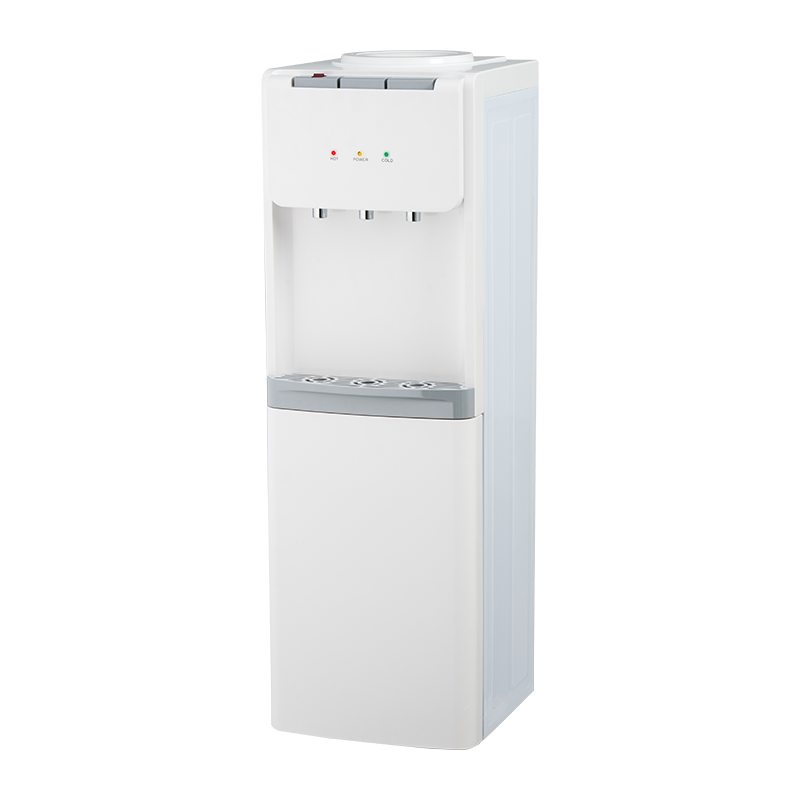
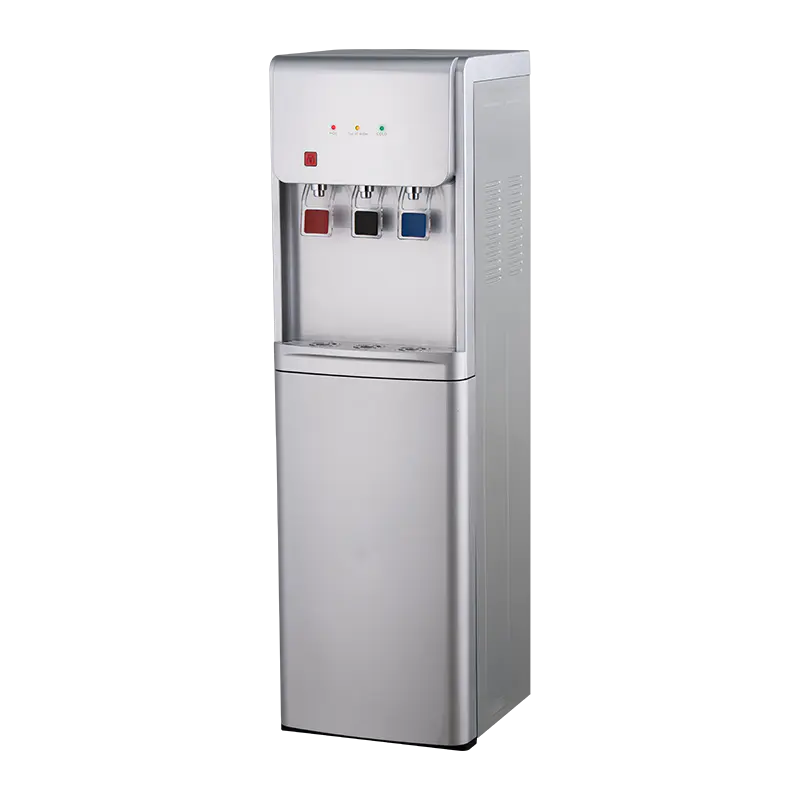
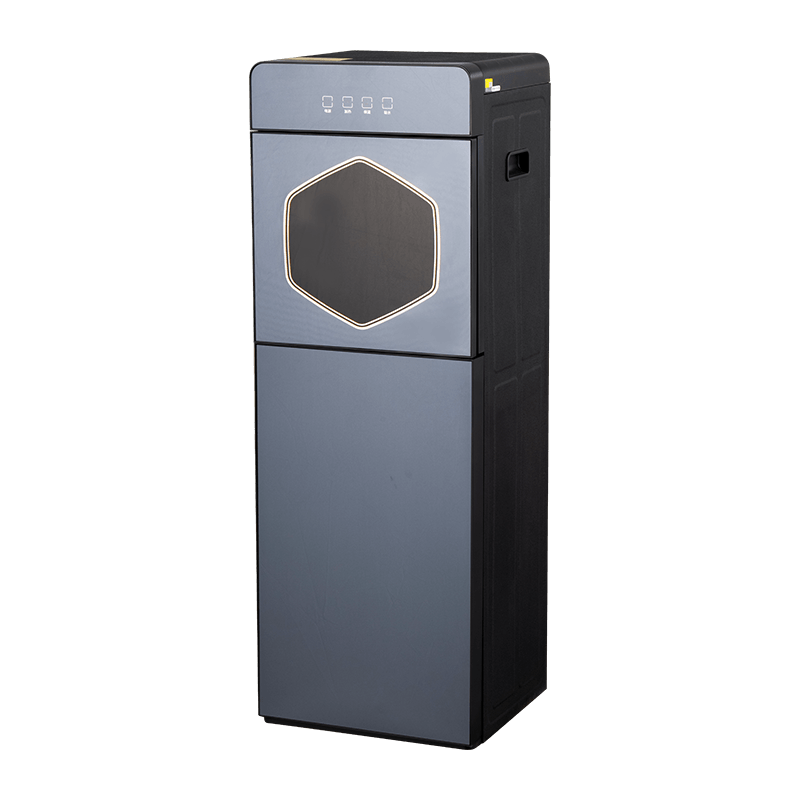
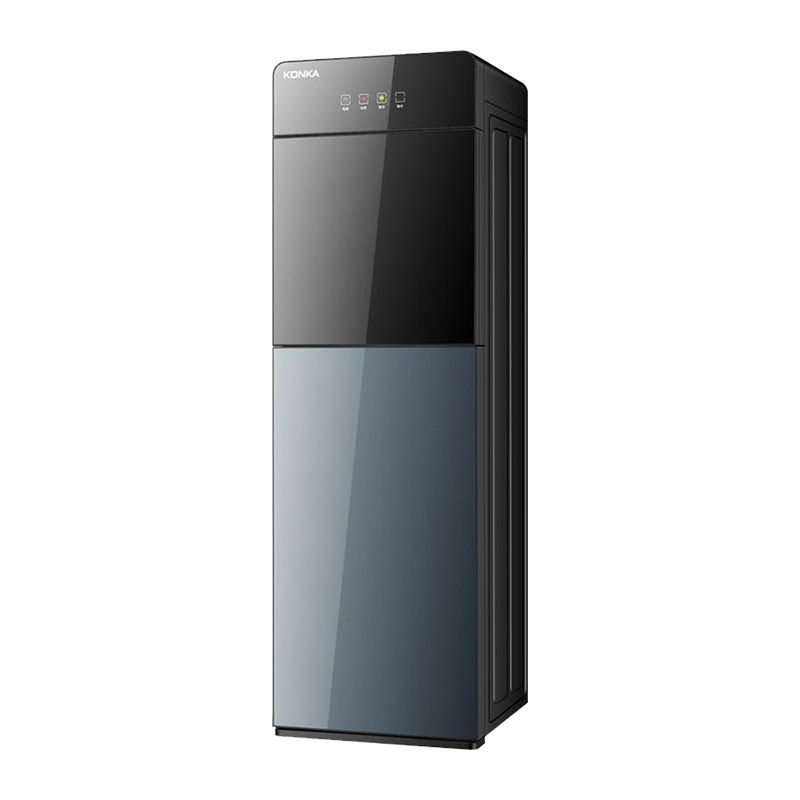
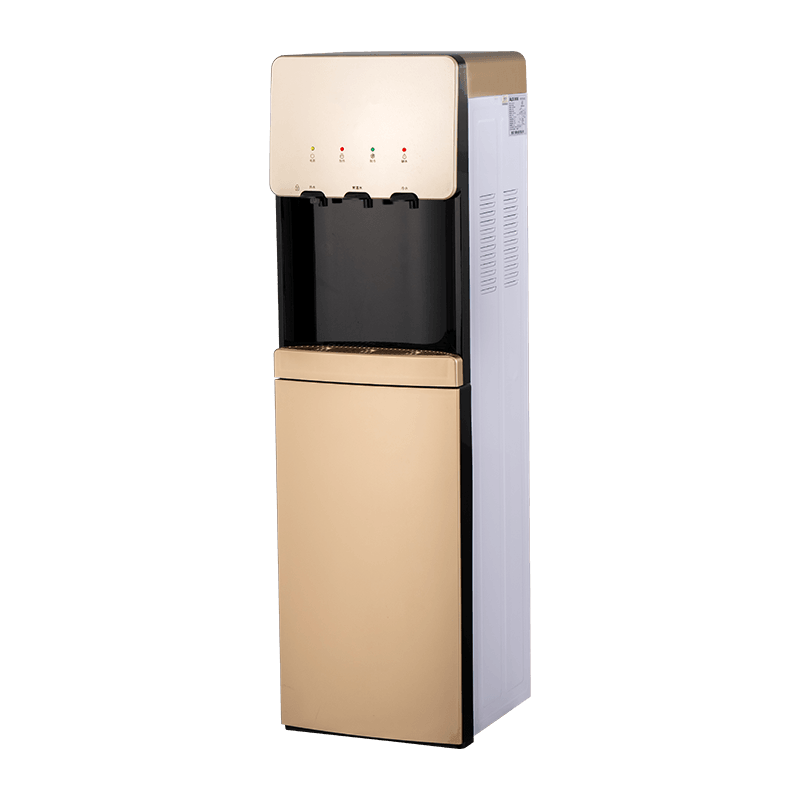
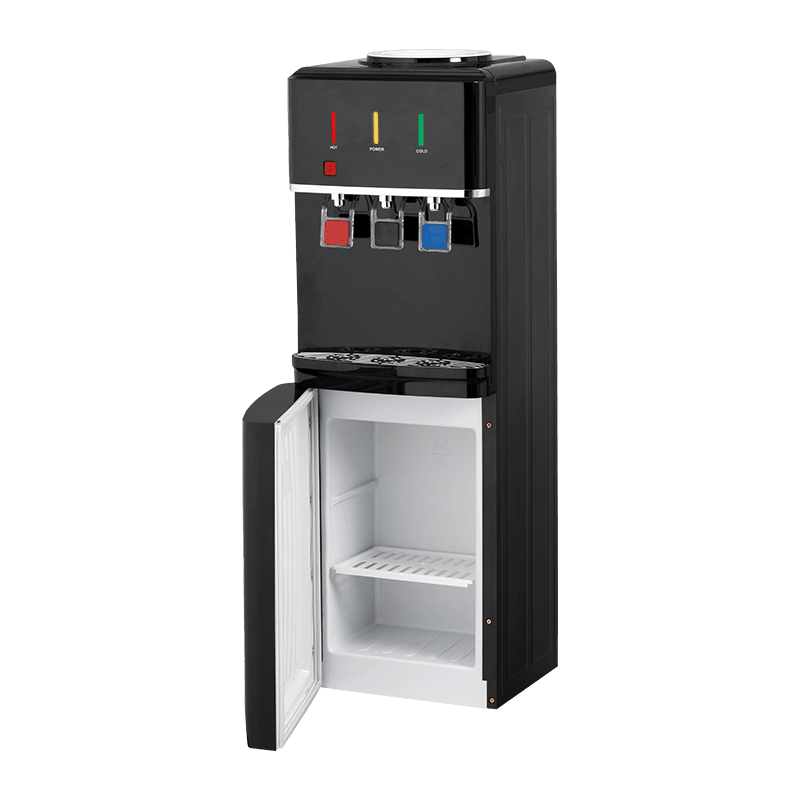
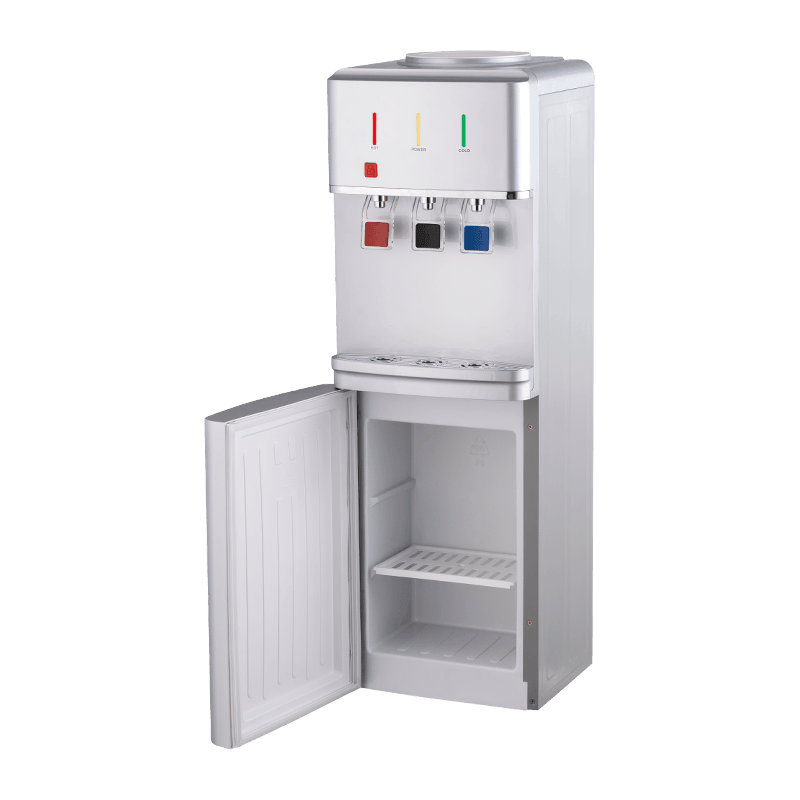
Maintaining access to clean drinking water in residential spaces, commercial offices, and industrial environments depends heavily on the reliability of hydration equipment. Understanding the expected operational life of a Vertical Water Dispenser helps facility managers and homeowners plan timely upgrades before equipment failure compromises water quality or causes property damage. While many appliance owners assume drinking water coolers last indefinitely, internal components gradually experience mechanical wear, thermal inefficiency, material degradation, and microbial accumulation. Determining the appropriate time for equipment replacement requires evaluating age, operational frequency, structural condition, and sanitary integrity.
A freestanding Vertical Water Dispenser typically provides reliable service for five to seven years under standard operating conditions. High quality commercial units operated under disciplined maintenance routines can sometimes stretch this operational lifespan slightly longer, whereas low cost models subjected to heavy daily usage might show significant performance decline within three to four years. Because these appliances continuously cycle electricity to run internal heating elements, cooling compressors, and water delivery pumps, internal wear accumulates continuously even when the machine appears fully functional from the outside.
Understanding the Standard Service Life of Vertical Water Dispenser Units
The structural framework and mechanical design of a Vertical Water Dispenser directly influence how well the appliance tolerates continuous daily operation. Unlike smaller desktop models or simple pitcher filters, vertical freestanding appliances house complex electromechanical systems capable of delivering both chilled and piping hot water on demand. Evaluating how different environments impact internal components clarifies why service life expectations vary across settings.
Expected Operational Lifespan in Household Environments
In a standard home setting, a Vertical Water Dispenser experiences moderate usage patterns. A typical family uses the appliance several times per day for drinking, cooking, and hot beverage preparation. Under these balanced conditions, the refrigeration compressor, thermostat controls, and heating tanks undergo reasonable thermal cycles without excessive mechanical stress.
Homeowners who adhere to regular cleaning schedules, replace internal filters as recommended, and periodically descale the hot water reservoir can expect their Vertical Water Dispenser to remain operational for approximately six to eight years. Over this timeframe, plastic fittings and silicon tubing inside the chassis maintain reasonable elasticity. However, as the appliance approaches the seven year mark, internal plastic reservoirs and rubber seals gradually harden due to continuous contact with minerals and thermal changes, increasing the probability of sudden water leaks.
Duty Cycles and Wear Factors in Commercial Settings
Commercial environments present vastly different operating demands compared to residential homes. In a busy corporate office, medical facility, warehouse, or educational venue, a commercial Vertical Water Dispenser may serve dozens or hundreds of individuals throughout the day. This continuous demand keeps internal cooling loops and heating coils running almost continuously to maintain set output temperatures.
Because thermal cycling occurs almost constantly in high traffic areas, the working lifespan of a commercial Vertical Water Dispenser generally ranges between three and five years. The mechanical components responsible for regulating temperature endure constant load, which accelerates compressor motor fatigue and causes heating elements to build up mineral scale rapidly. Furthermore, frequent physical interaction by numerous users leads to faster mechanical wear on push paddles, mechanical spigots, and electronic button interfaces.
Comparing Freestanding Vertical Models with Alternative Form Factors
Freestanding vertical units differ significantly from countertop or under sink hydration systems in terms of internal layout and mechanical architecture. A Vertical Water Dispenser integrates the water storage tank, cold reservoir, hot water heating chamber, power transformers, and refrigeration machinery into a single upright cabinet. This vertical arrangement provides adequate internal airflow around the condenser coils, helping heat dissipate efficiently when compared to compact countertop alternatives.
However, the vertical design also means that internal plumbing conduits span a longer vertical distance within the cabinet. Internal pumps in bottom loading units must generate sufficient head pressure to lift water up into the gravity distribution tank near the top spigots. The mechanical strain on these internal lifting pumps creates an additional failure point that compact top load gravity units do not possess. Understanding these structural differences assists facility personnel in evaluating whether an aging Vertical Water Dispenser warrants part replacement or complete equipment rollover.
Physical and Operational Signs Indicating a Need for Replacement
Recognizing the early warning signs of equipment failure allows users to retire an old Vertical Water Dispenser before catastrophic leaks or severe sanitary risks develop. Rather than relying solely on elapsed calendar years, equipment owners should monitor specific physical, thermal, and taste indicators that demonstrate internal system breakdown.
Persistent Water Quality Issues and Internal Contamination
One of the most alarming indicators that a Vertical Water Dispenser requires full replacement is a persistent change in water taste, color, or odor that remains after rigorous sanitation. Over years of fluid contact, micro crevices develop along internal plastic reservoirs, silicone connector hoses, and seam welds inside stainless steel tanks. These microscopic fissures provide ideal harbor sites for biofilm growth, fungal cultures, and mineral deposits.
When routine chemical sanitization using food grade hydrogen peroxide or citric acid fails to restore clean, neutral tasting water, internal biofouling has likely penetrated deep into porous internal gaskets or unserviceable fluid lines. Consuming water from an internally degraded dispenser poses potential health risks for sensitive individuals, making complete replacement the safest course of action.
Structural Leaks and Enclosure Integrity Breakdown
Water accumulation beneath or around a Vertical Water Dispenser indicates structural breach within the internal fluid path. While occasional minor leaks stem from an improperly installed water bottle or a misaligned drip tray, persistent pools of water usually signal severe internal degradation. Aging silicone tubing can become brittle and split under system pressure, while vibrating pump connections may cause internal manifold fittings to crack.
Leaking internal hot water tanks present an especially serious hazard because water dripping onto internal electrical wiring or circuit boards introduces thermal short circuits and fire risks. If an inspection reveals that internal chassis panels, mounting brackets, or tank housings exhibit extensive corrosion, rusting, or structural cracking, repairing individual hoses is rarely cost effective, and replacing the entire Vertical Water Dispenser becomes necessary.
Compressor Degradation and Thermal Management Failure
The refrigeration compressor is the mechanical heart of a chilled Vertical Water Dispenser. Over several years of continuous duty, compressor valves lose tolerance, refrigerant lines experience slow trace leakage, and thermal insulation surrounding the cold tank degrades. Users typically notice this transition when the dispenser produces lukewarm water despite the cooling setting being engaged, or when the compressor runs continuously without shutting off.
An overheating compressor draws excessive electrical current, causing ambient room temperature around the cabinet back to rise significantly while driving up facility energy expenses. Replacing a sealed refrigeration compressor often costs nearly as much as purchasing an entirely new Vertical Water Dispenser. Consequently, major refrigeration system failure in a unit older than four years serves as a clear financial tipping point favoring equipment replacement.
Mechanical Wear in Dispensing Valves and Internal Piping
Dispensing spigots and electronic valve solenoids endure thousands of mechanical actuations over their operational lifetime. Over time, internal springs weaken, rubber plunger seats harden, and plastic threading becomes stripped. This mechanical wear causes persistent dripping from the output nozzles, sticking push buttons, or inconsistent fluid discharge speeds.
While replacing an external clip on tap on a basic top load dispenser is relatively simple, modern appliances often feature internal electronic solenoids mounted within sealed control modules. When internal distribution valves on a modern Vertical Water Dispenser fail or exhibit mineral encrustation that prevents complete closing, sourcing compatible internal parts for older models becomes difficult, pointing toward full unit replacement as the logical decision.
Internal Component Wear and Contamination Mechanisms
To make informed replacement decisions, equipment managers should understand the specific physical mechanisms occurring inside an aging Vertical Water Dispenser. Fluid dynamics, chemical reactions, and thermal expansion continuously alter internal materials throughout the life of the machine.
Biofilm Accumulation in Hidden Water Reservoirs
Biofilm consists of complex colonies of microorganisms that attach to wet surfaces inside fluid handling equipment. In a Vertical Water Dispenser, water remains standing inside internal baffle tanks, cold storage chambers, and distribution hoses for extended periods. Even municipal tap water or purified bottled water contains tiny amounts of harmless environmental bacteria.
Over years of continuous operation, these microorganisms secrete a protective matrix of extracellular polymeric substances, forming a slippery film along internal walls. Once biofilm establishes itself within narrow internal channels that brush tools cannot physically reach, chemical flush treatments only sanitize the surface layer of the microbial mass. The underlying bacteria quickly regenerate, causing recurring odor issues that indicate the internal plumbing structure has reached the end of its hygienic service life.
Scale Deposits inside Heating Tanks and Cooling Modules
Hot water generation inside a Vertical Water Dispenser relies on internal electric heating elements situated inside a small stainless steel vessel. As water reaches elevated temperatures suitable for tea or hot beverages, dissolved minerals such as calcium carbonate and magnesium precipitate out of solution, coating the heating element and inner tank walls with hard mineral scale.
Mineral scale acts as a powerful thermal insulator. As the layer of scale thickens, heat transfer from the electric element into the surrounding water becomes increasingly inefficient, forcing the heating element to run longer and hotter to reach set temperatures. Eventually, this extreme heat causes thermal stress cracks in the metal casing of the heating element, leading to element burnout or electrical grounding faults that trip local circuit breakers.
Electrical Degradation and Wiring Insulation Breakdown
The combination of water vapor, electrical current, and thermal heat inside a compact appliance cabinet creates a challenging environment for electrical components. Inside a Vertical Water Dispenser, power supplies, bimetallic thermostat switches, relay boards, and wire harnesses operate in close proximity to water lines.
Over five to seven years, thermal expansion and contraction gradually loosen crimped electrical terminals, while high humidity causes oxidation on exposed copper wiring. Degraded insulation can lead to dangerous short circuits or intermittent power loss where the appliance randomly shuts down. When electrical control boards fail due to moisture damage or thermal overload, replacing individual circuit elements on an older machine is rarely practical.
Equipment Evaluation Guidelines
Determining whether to keep, repair, or replace an existing hydration unit requires systematic analysis. Comparing condition indicators against operational history helps clarify the right action.
| Operational Indicator | Mild Issue Fixable with Maintenance | Severe Issue Requiring Full Unit Replacement |
|
Average Equipment Age |
Under three years of continuous use |
Exceeding five to seven years of continuous operation |
|
Temperature Performance |
Minor variance in chilling speed |
Total failure of heating element or cooling compressor |
|
Water Taste and Odor |
Temporary taste change before cleaning |
Persistent plastic taste or metallic odor after flushing |
|
Leakage Location |
Loose external tap or drain plug |
Internal tank rupture or cracked manifold housing |
|
Pump Operation |
Occasional noise from bottle alignment |
Continuous dry running or complete motor pump seizure |
|
Energy Consumption |
Normal wattage draw within specifications |
Unusually high electrical draw and excessive rear coil heat |
Diagnostic Evaluation vs Repair Feasibility
Deciding whether to service or replace a malfunctioning Vertical Water Dispenser involves balancing repair costs against the age and remaining functional life of the machine. A simple rule of thumb suggests that if a repair estimate exceeds forty percent of the cost of a new replacement unit, purchasing new equipment is the wiser long term investment.
Analyzing Cost Efficiency of Component Repair versus Full Unit Replacement
Repairing minor issues such as a damaged external drip tray, a worn silicone seal on an external bottle collar, or an easily accessible replacement spigot is generally sensible during the first two or three years of ownership. These inexpensive fixes restore full functionality without incurring heavy capital expenditure.
However, major mechanical issues present a different economic reality. Replacing a failed cooling compressor, a burned out internal heating chamber, or an electronic mainboard requires skilled labor, specialized diagnostic tools, and OEM replacement parts. When labor charges and shipping costs for replacement components are combined, the total repair invoice frequently approaches the retail price of a brand new Vertical Water Dispenser featuring updated energy efficiency and improved sanitation technologies.
Availability of Replacement Parts for Older Models
Appliance manufacturers frequently update their product lines, changing internal layout designs, chassis geometry, and electronics every few years. As a Vertical Water Dispenser passes five years of age, sourcing genuine factory replacement parts becomes increasingly difficult.
Attempting to adapt generic third party valves or universal pumps into an older vertical chassis can lead to poor fitment, vibration noise, and potential leak hazards. When replacement components are no longer readily available from authorized distributors, attempting custom modifications compromises equipment safety, making total replacement the standard recommendation.
Refrigerant Integrity and Environmental Safety Standards
Older refrigerated water dispensers often rely on legacy fluorocarbon refrigerants that carry higher global warming potential compared to modern eco friendly cooling media. If an older Vertical Water Dispenser suffers a pinhole leak in its evaporator coil, repairing the leak requires cutting into sealed copper lines, soldering damaged joints, vacuum purging the circuit, and recharging the system with specific gas mixtures.
Modern environmental regulations severely restrict field servicing of small sealed refrigeration units due to environmental risks. Upgrading to a modern Vertical Water Dispenser ensures compliance with current energy efficiency standards and uses environmental refrigerants such as R600a hydrocarbon gas, which operates with negligible environmental impact and improved thermal efficiency.
Key Considerations when Selecting a New Vertical Water Dispenser
When evaluation confirms that an existing unit must be retired, choosing a replacement requires matching the physical architecture of the new machine to the specific needs of the installation environment. Modern vertical models offer various internal configurations designed for convenience, hygiene, and energy efficiency.
Direct Piping versus Bottled Vertical Water Dispenser Configurations
One primary decision during equipment selection involves choosing between a bottled Vertical Water Dispenser and a point of use direct piping model connected directly to a building water supply line. Bottled units offer complete placement flexibility because they require only an electrical outlet, making them popular for rented office spaces or temporary work environments.
Top loading bottled units rely on simple gravity feed mechanics where water drains straight downward into internal tanks. Bottom loading models store the heavy water bottle inside a lower cabinet compartment, utilizing an internal motorized pump to draw fluid upward. This bottom loading layout eliminates heavy lifting, improves room aesthetics, and protects water from direct sunlight exposure, though it introduces the mechanical pump as an additional working component.
Direct piping vertical units eliminate bottle storage entirely by integrating internal filtration systems directly with municipal water feeds. These units provide an uninterrupted water supply and lower long term operational costs in high volume commercial venues, though they require initial plumbing installation and regular internal filter replacements.
Thermal Capacity and Energy Consumption Metrics
Selecting a new Vertical Water Dispenser demands attention to thermal recovery capacity, which measures how rapidly the machine chills or heats incoming water after heavy usage spikes. Commercial offices with high foot traffic require robust compressor systems capable of delivering multiple gallons of cold water per hour during peak break room hours.
Modern vertical units incorporate advanced thermal insulation surrounding hot and cold storage tanks, dramatically reducing standby energy losses. Looking for units with programmable timer switches or smart eco modes allows the dispenser to reduce heating and cooling activity during nights and weekends, reducing total energy consumption over the operational lifespan of the appliance.
Sanitation Technologies and Advanced Filtration Compatibility
Newer generations of vertical hydration equipment integrate self sanitization technologies designed to retard internal bacterial growth and extend effective service life. UV LED sanitization modules installed inside the cold storage reservoir periodically emit ultraviolet light that neutralizes microbial DNA, preventing biofilm formation on tank walls.
Ozone recirculation systems represent another automated sanitation approach, injecting low concentration ozone gas through internal fluid pathways during off hours to eliminate bacteria and organic compounds without leaving chemical tastes. When selecting a new Vertical Water Dispenser, verifying that the unit accepts high efficiency multi stage carbon block and sediment filters ensures that incoming water remains clean, protecting internal valves and heating elements from premature mineral buildup and particulate wear.
Operational Best Practices to Maximize Equipment Service Life
Proper care and routine preventative maintenance significantly prolong the functional lifespan of any Vertical Water Dispenser, delaying the need for premature equipment replacement and protecting water purity.
Establishing a Rigorous Cleaning Schedule
Regular sanitation prevents organic matter and mineral deposits from compromising internal components. Every two weeks, users should clean the drip tray, wipe down external dispensing nozzles with food safe sanitizing wipes, and clean the cabinet exterior.
Every three to six months, a thorough internal system flush should be performed. For bottled units, this process involves draining all fluid from internal reservoirs through the rear drain plug, filling the system with a mild sanitizing solution of food grade citric acid or hydrogen peroxide, letting the solution sit for twenty minutes, and then thoroughly flushing the unit with clean water. This regular maintenance schedule removes early mineral scale and prevents biofilm buildup in hidden reservoirs.
Condenser Coil Care and Airflow Management
The refrigeration system of a Vertical Water Dispenser relies on effective heat dissipation from the condenser coils located at the rear or bottom of the cabinet. Dust, pet hair, and environmental debris accumulate on these metal coils over time, creating an insulating blanket that hinders heat transfer.
When condenser coils become clogged, the cooling compressor must work harder and run longer to maintain cold water temperatures, leading to thermal stress and premature compressor failure. Vacuuming or brushing dust off the rear condenser coils at least once or twice per year ensures smooth heat exchange, lowers electricity consumption, and extends compressor life. Additionally, maintaining at least four inches of clear air space between the back of the cabinet and nearby walls ensures adequate ambient ventilation.
Water Quality Management and Pre Filtration
Water quality directly impacts the mechanical longevity of internal heating elements and distribution valves. In areas with hard municipal water containing high concentrations of dissolved calcium and magnesium, mineral scale accumulates rapidly inside hot water tanks and clogs delicate internal solenoid valves.
Installing an external inline water softener or pre filter upstream of a direct piping Vertical Water Dispenser traps coarse sediment and reduces dissolved minerals before fluid enters the machine. Protecting internal tanks from severe mineral exposure extends the operational life of heating elements, minimizes valve drip issues, and ensures consistent thermal performance across years of daily service.