English
 Español
 عربى
 中文简体


A cup placed under the tap at 8:10 a.m. fills with water at roughly 95°C in about three seconds. That speed does not mean a cold stream is being heated from 15°C to 95°C in three seconds. It means the dispenser has already paid most of the energy cost: it holds hot water in an insulated tank, keeps a small reservoir at temperature, or uses a high-output flow heater that starts warming water before the cup is full. The practical answer is that an instant hot water dispenser separates “ready heat” from “delivery speed.”
The Core Answer: Stored Heat, Flow Heating, or a Hybrid
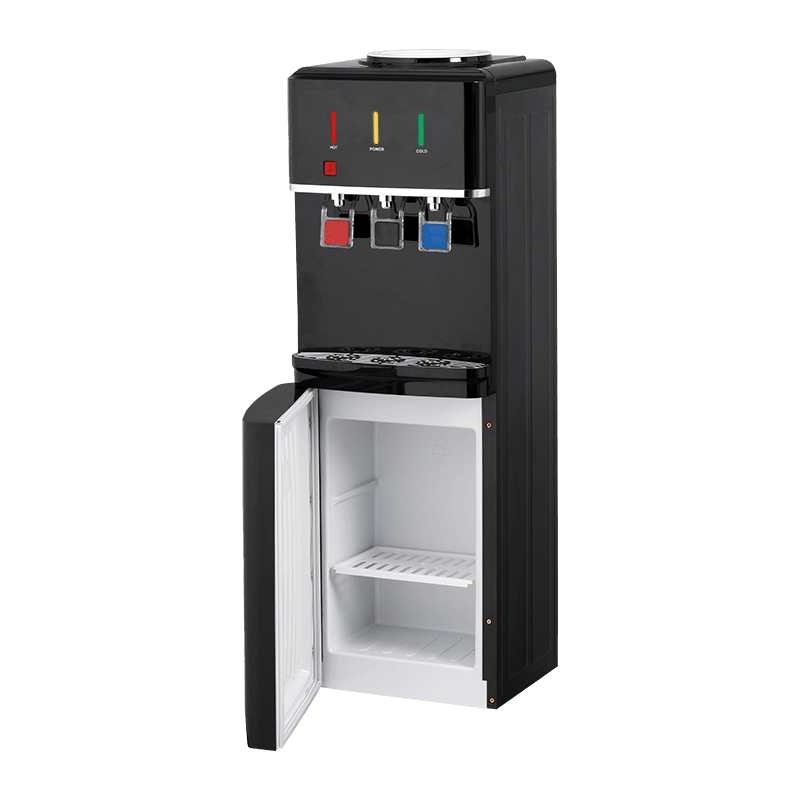
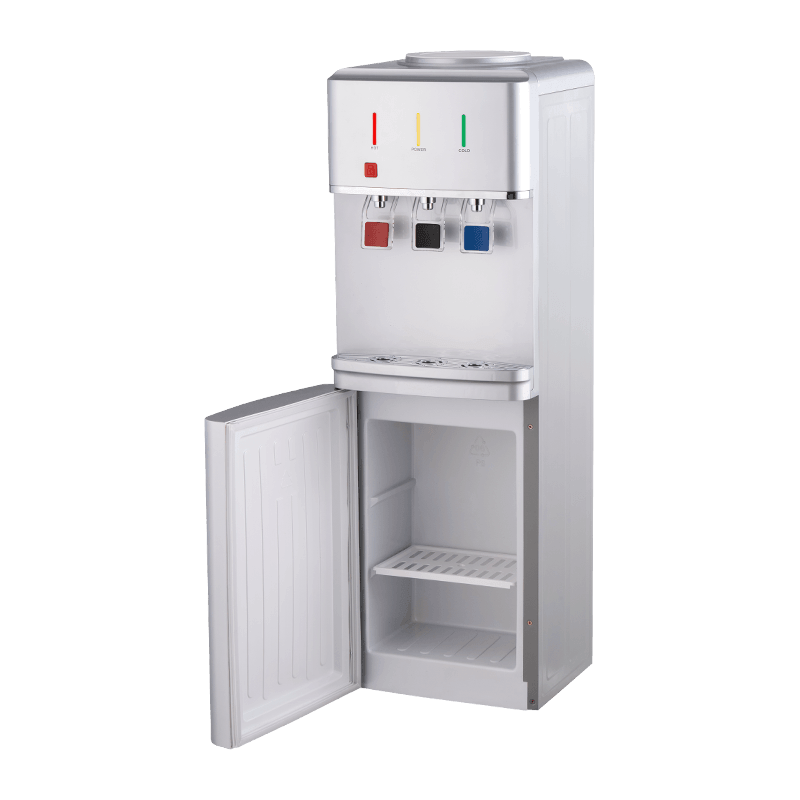
Most instant hot water dispensers use one of three designs. A tank-based model keeps 1.5 to 4 liters of water at a set temperature, usually between 85°C and 98°C. The tank is insulated, and a thermostat cycles the heating element to replace standing losses. When you dispense, hot water leaves the top of the tank and cold water enters near the bottom, which limits mixing. The first cup is fast because the water is already hot; the wait comes later, when the tank recovers.
A tankless or flow-through model heats only while the tap is open. Water passes a flow meter, enters a heating chamber, and absorbs energy from a 2.5 kW to 6 kW element. Temperature is controlled by a thermistor and a control board that adjusts power as flow changes. There is no stored hot-water reservoir, so standby losses are lower, but the electrical circuit, water pressure, and scale control matter more. A hybrid uses a small preheat tank plus a boost heater to improve first-cup speed without a large reservoir.
| Feature | Tank-based instant dispenser | Tankless flow-through | Hybrid |
|---|---|---|---|
| First-cup speed | Very fast; hot water is stored | Fast with high wattage; slower at low flow | Fast; small tank plus boost heater |
| Recovery | Minutes after heavy draw | Continuous within heater capacity | Moderate; depends on tank size |
| Electrical demand | Usually 1.5–2.5 kW | Often 3–6 kW; dedicated circuit may be needed | Usually 2–3.5 kW |
| Main risks | Standby loss, scale in tank | Scale in heater, pressure fluctuation | Both tank and heater service points |
What Happens When You Press the Lever
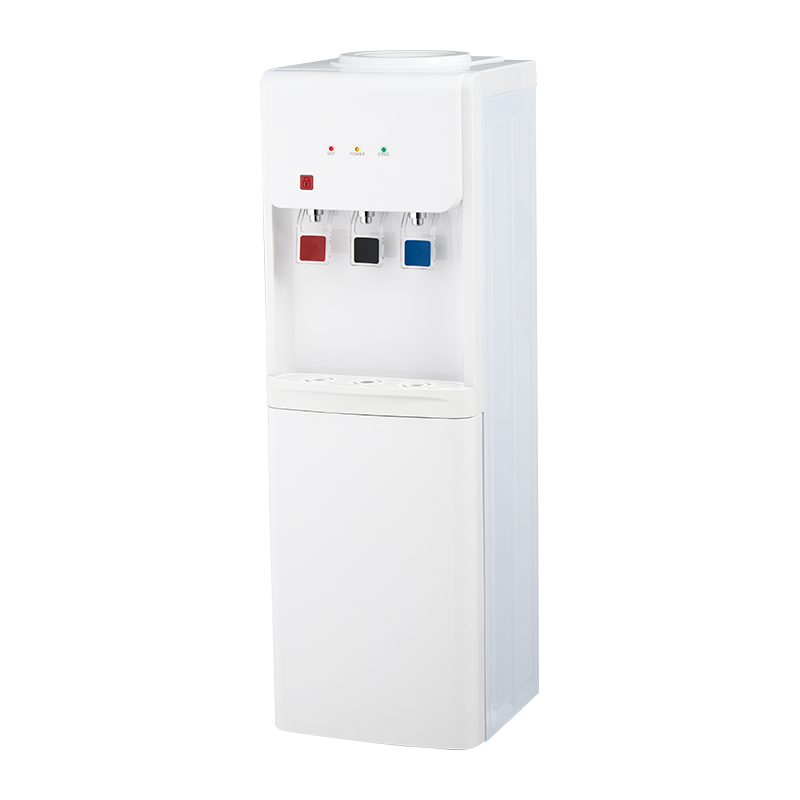
On a bottled top-load unit, water flows by gravity from the bottle into a cold reservoir, then into the hot tank through a valve. A bottom-load unit uses a pump to lift water from a cabinet bottle; a plumbed model uses line pressure and a pressure-reducing valve. In all three, the hot outlet sits above the heating zone so that hot water leaves first and cold replacement water enters lower down. That stratification is why a small draw can feel instant while a large draw exposes recovery limits.
The control chain is simple but important. A thermostat or thermistor reads water temperature; a control board opens a solenoid valve or energizes a pump; a heating element raises the water temperature; a steam vent or expansion space prevents pressure build-up. Safety devices usually include a thermal fuse, a dry-boil cutout, and a pressure-relief path. If the inlet pressure is too low, a flow heater may cycle on and off; if the inlet pressure is too high, the valve and tank seals carry more stress. For offices that need a steady supply rather than a single fast cup, a bottom-mounted cold-hot-normal model with a larger reservoir can be a practical starting point.
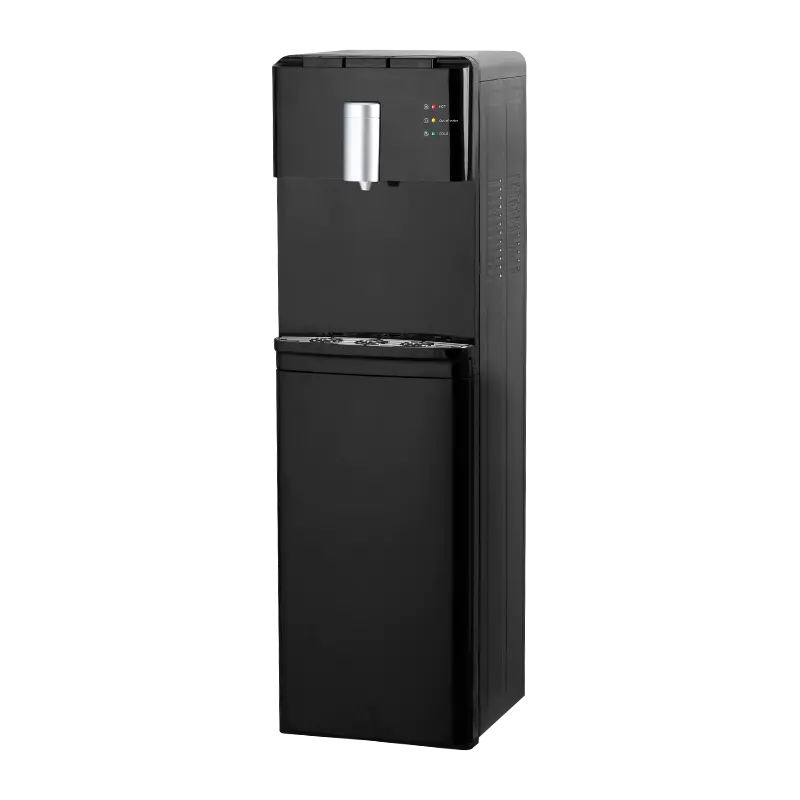
 YX-2508/YLX-2508 Bottom-Loading Office Water DispenserBottom-loading office dispenser offers hot, cold, and room-temperature water, with electronic or compressor cooling models for quieter or faster chilling and easier bottle replacement.View Product →
Why It Feels Instant: First-Cup Speed Versus Recovery
Consider a 150 ml cup heated from 20°C to 95°C. The energy needed is about 47 kJ. A 3 kW heater can deliver that in roughly 16 seconds under perfect conditions, before accounting for heat losses and control lag. That is why a small tank or a preheated chamber changes the user experience so much: the heating has already happened. The dispenser is not creating boiling water from cold in three seconds; it is releasing stored hot water and then beginning the next recovery cycle.
Recovery is the number buyers should ask about. A 2-liter hot tank may deliver two or three cups quickly, then need several minutes to return to set temperature. A flow heater can keep going, but its outlet temperature drops if the flow rate exceeds its capacity. In a tea station, the pattern is often several small draws in quick succession, so a unit with a fast-heating outlet and a modest reservoir can be more useful than a large tank that takes longer to reach temperature in the morning. The fast-heating instant tea station approach is a good example of matching heater response to the way people actually draw water.
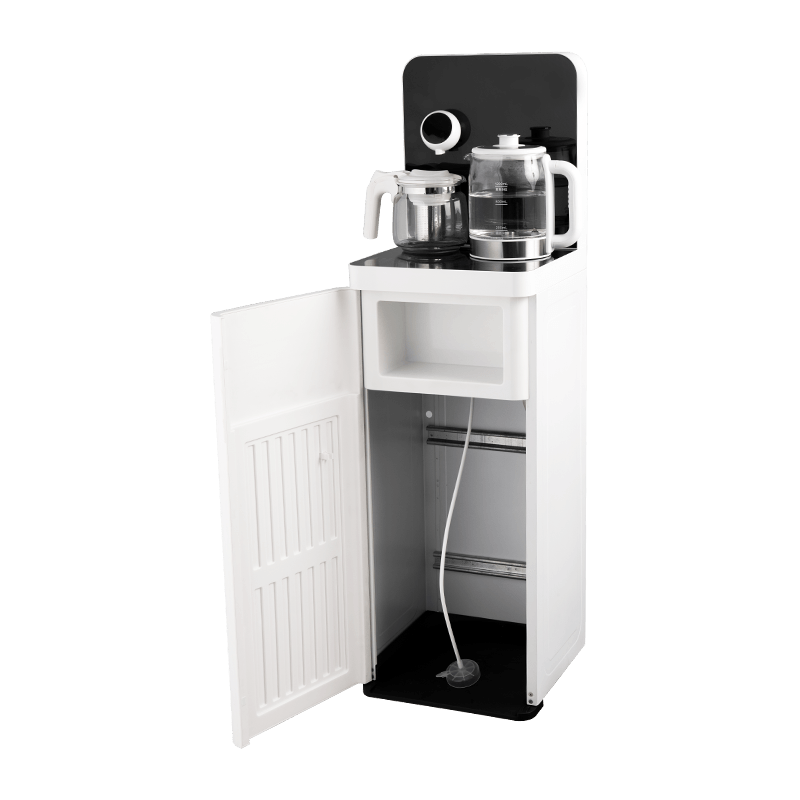 YR-2403/YLR-2403 Smart Tea Bar MachinesTouchscreen tea bar machines with rapid heating, adjustable brewing strength and time, and automatic filtering for consistent tea in home, office, or commercial settings.View Product →
Temperature, Pressure, Scale, and Safety Limits
“Hot” is not a fixed number. Many dispensers default to 85°C, 90°C, or 95°C; some allow adjustment. At high altitude, water boils below 100°C, so a unit set to 98°C may steam heavily or cycle on a safety limit. A high-altitude optimized dispenser uses different venting, temperature limits, or control logic to avoid nuisance tripping. The buyer should state the installation altitude rather than assume that a standard model will behave the same way at 2,000 meters.
Scale is the other quiet constraint. In hard water, calcium carbonate deposits on the heating surface, reducing heat transfer and raising element temperature. A unit may still dispense water, but recovery slows and the thermostat may cycle more often. If hardness is high, a upstream filter or softener is cheaper than repeated descaling. Pressure also matters: flow-through heaters need stable inlet pressure, while tank units need a reliable air gap or vent. Safety features such as a child lock, dry-boil protection, and a thermal cutout are not extras in a household with young children; they are part of the operating envelope.
For buildings where water quality or altitude varies, it is better to specify the worst-case site condition than the showroom condition. A dispenser that works at sea level with soft water may need a different setup in a mountain office or a hard-water factory canteen.
How to Choose a Unit That Fits the Counter and the Circuit
Start with the draw pattern, not the tank size. Count the cups or kettles used in the busiest 15 minutes, then check the recovery rate. A four-person home usually tolerates a smaller tank than a 30-person office pantry. Next, check the electrical supply: a 3 kW heater draws about 13 A at 230 V, which may require a dedicated circuit. A 1.5 kW tank unit is easier to place but recovers more slowly.
- Tank size: 1.5–2 liters suits low-demand homes; 3–4 liters suits small offices or tea points.
- Heater power: higher wattage improves recovery but raises circuit requirements.
- Water source: bottled top-load is simple; bottom-load avoids lifting; plumbed-in needs a nearby supply and valve.
- Temperature control: adjustable setpoints help tea, formula, and general hot drinks.
- Scale control: filter access and a descaling plan matter more in hard-water areas.
- Safety: child lock, dry-boil cutout, and thermal fuse should be visible in the specification.
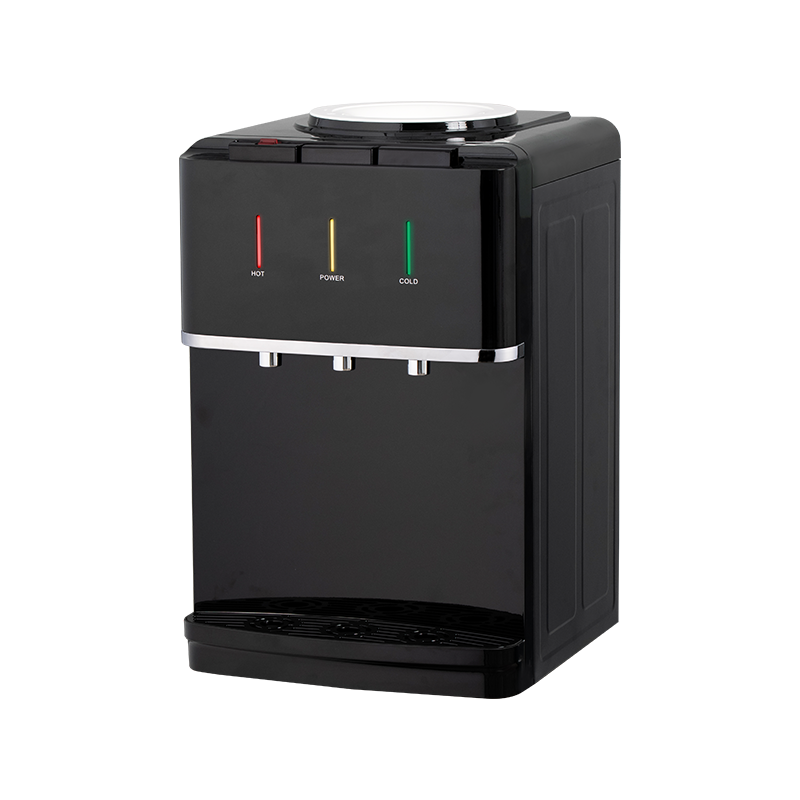
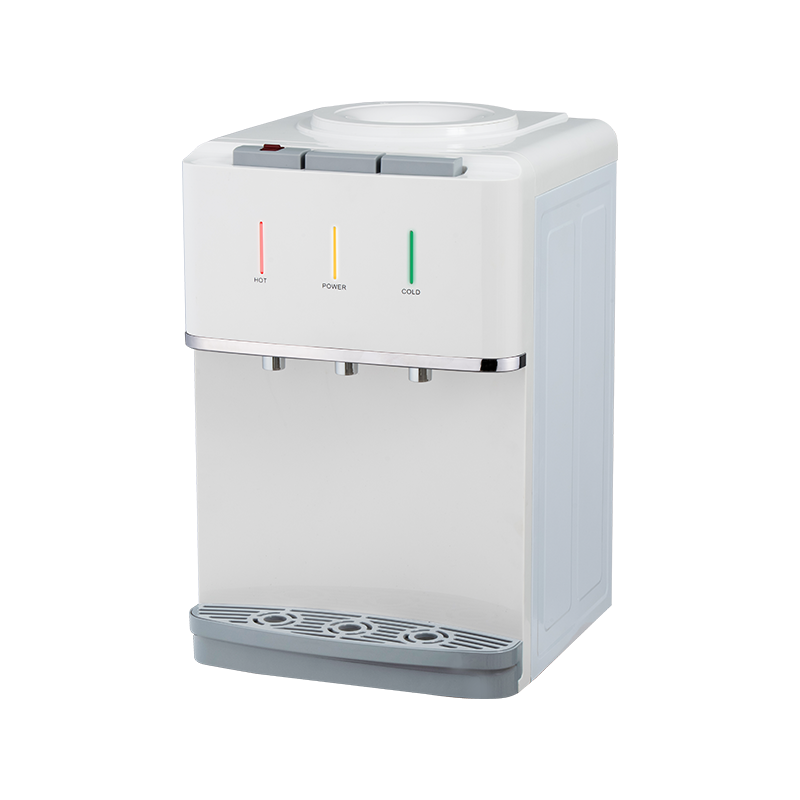
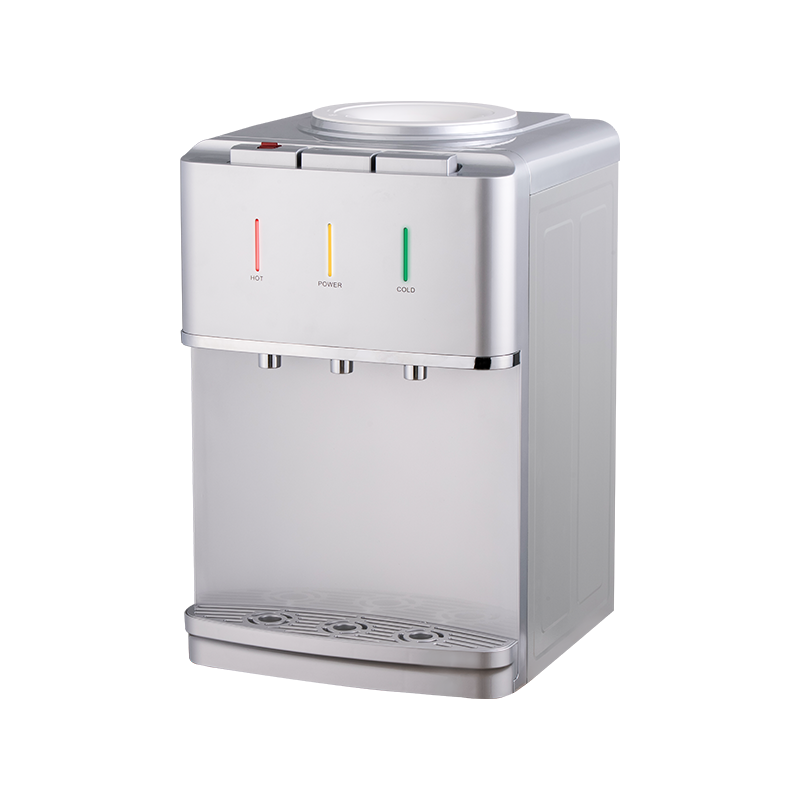
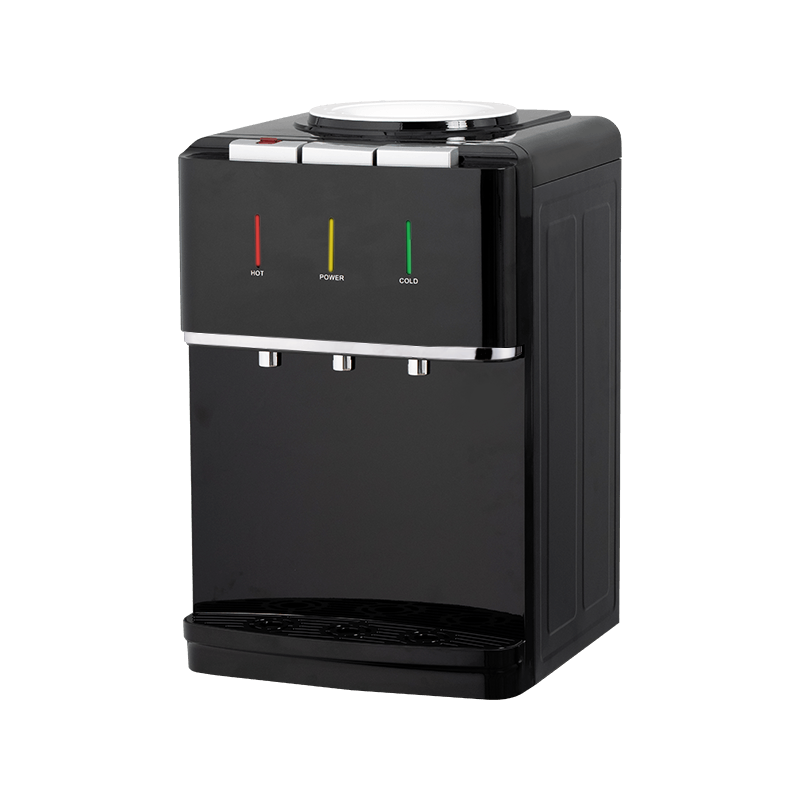
For a home desk or a small kitchen, a compact desktop model can reduce plumbing work and still provide hot water for drinks. Check the cup clearance and drip tray before buying; a tall travel mug can be more demanding than a teacup.
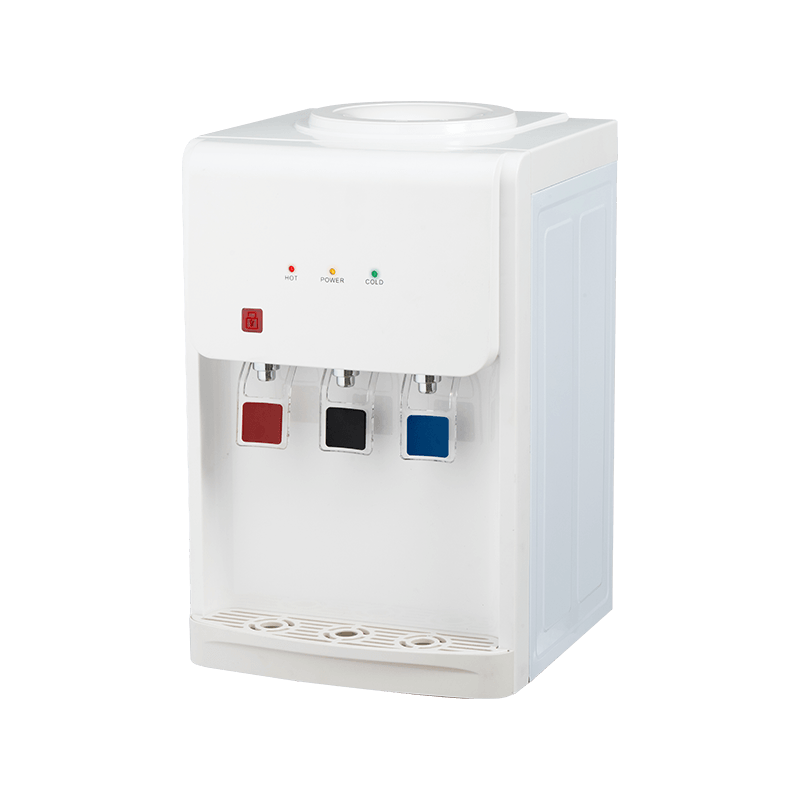 YR-2506T/YLR-2506T Compact Home Desktop Water DispenserCompact top-loading desktop dispenser provides hot, room-temperature, and cold water, with electronic or compressor cooling for home kitchens, living rooms, and dormitories.View Product →
Installation, Maintenance, and Real Running Costs
Installation is mostly about water, power, and ventilation. Leave space around the vent, use a pressure-reducing valve where line pressure is high, and flush the unit before first use. If the dispenser is plumbed in, fit an accessible shut-off valve. If it uses a bottled supply, keep the bottle out of direct sun and replace it before it sits for long periods. The first sign of scale is often a slower first cup or a louder heating cycle, not a complete failure.
Running cost has two parts: the energy used to heat water and the energy lost while holding it hot. A well-insulated tank may use a few tenths of a kilowatt-hour per day in standby; a poorly insulated one can use more. A tankless unit avoids standby loss but may draw high power for short periods. Neither design is automatically cheaper; usage pattern decides. Descaling, filter replacement, and seal inspection are the maintenance items that protect both the heater and the warranty.
Misunderstandings That Affect Purchase Decisions
“Instant” does not always mean boiling. Many units deliver hot water below 100°C, and some are set lower to reduce steam and scale. A dispenser is not a sterilizer, and hot water from a tank is not a substitute for cleaning the outlet or the reservoir. A higher wattage does not guarantee a higher outlet temperature if flow is too fast or the heater is scaled. A tankless model is not automatically more efficient if the building has long pipe runs or the unit short-cycles. Finally, filtration and heating are separate jobs: a carbon filter improves taste and chlorine, but it does not remove scale unless the filter is designed for it.
The useful way to judge an instant hot water dispenser is to ask three questions: where does the heat come from, how fast does the unit recover, and what maintenance does the water path require? A stored-tank unit wins on first-cup speed; a flow-through unit wins on continuous supply and lower standby loss; a hybrid trades complexity for a smaller compromise. Match that behavior to the busiest 15 minutes of the day, and the word “instant” becomes a measurable performance claim rather than a label.