English
 Español
 عربى
عربى 中文简体
中文简体

When it comes to providing fresh, clean drinking water in a convenient and accessible way, few appliances match the practicality of a water dispenser. Among the many designs available – tabletop, bottom-loading, countertop, and point-of-use – the vertical water dispenser stands out as the most traditional and widely recognized style. Often seen in office breakrooms, gyms, waiting rooms, and modern kitchens, these freestanding units combine a large water reservoir (typically using 5-gallon jugs) with a sleek, space-saving footprint that fits neatly against a wall. But are vertical dispensers still relevant in an age of advanced filtration and bottom-loading models? What are their advantages and drawbacks? How do you choose between hot-and-cold, cold-only, and room-temperature units? And what about maintenance, hygiene, and energy consumption? This comprehensive guide answers every question you might have about vertical water dispensers, helping you decide whether this classic appliance is the perfect fit for your home, office, or commercial space.
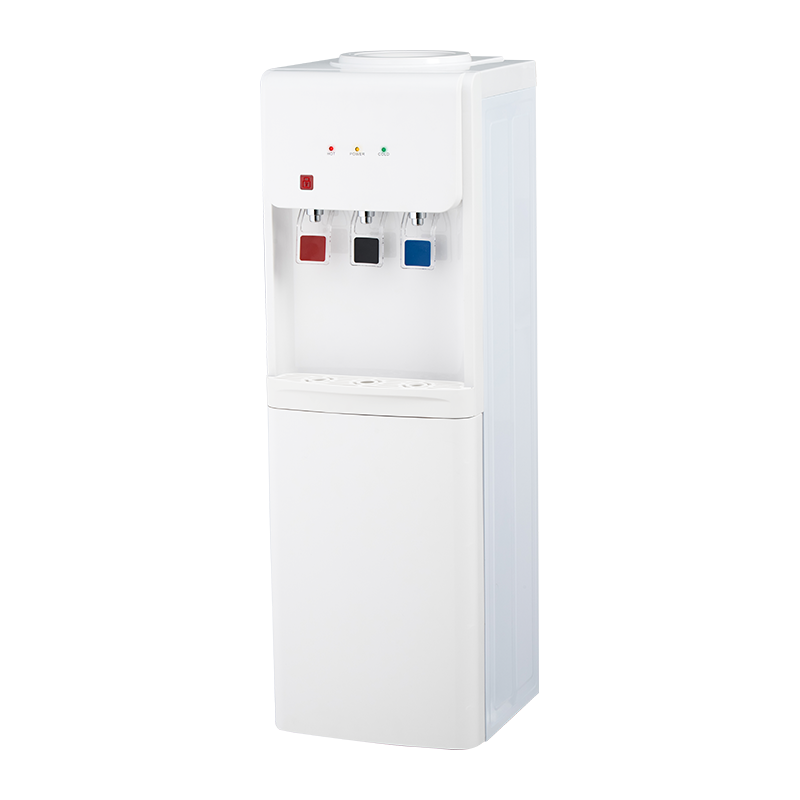
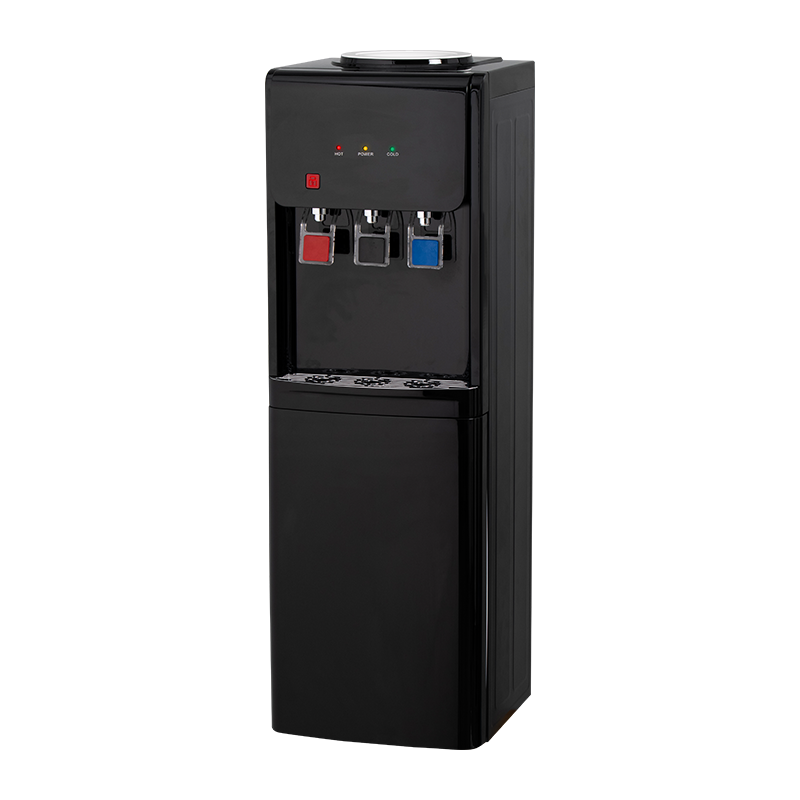
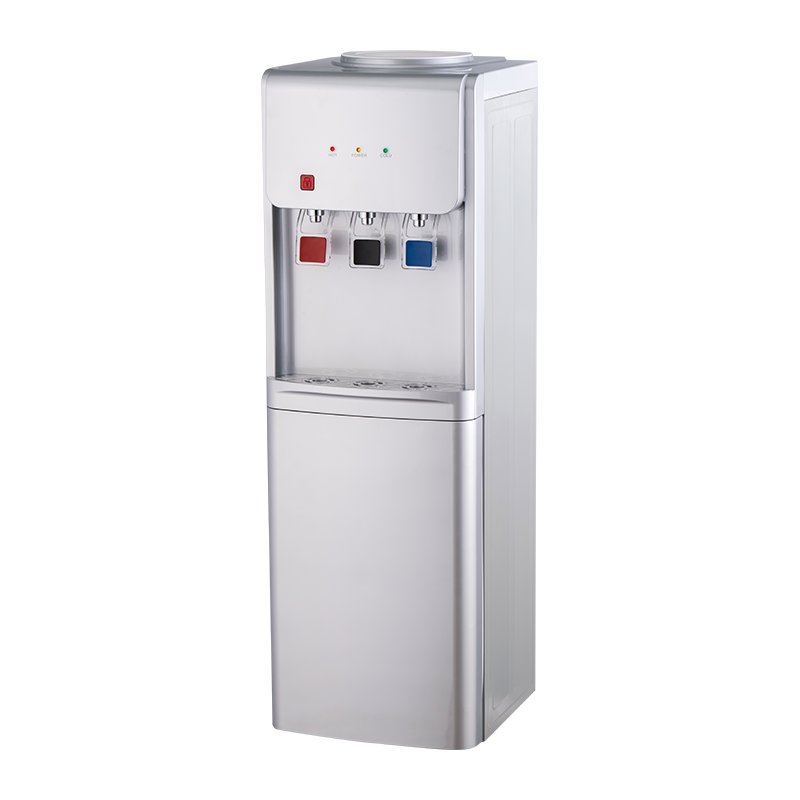
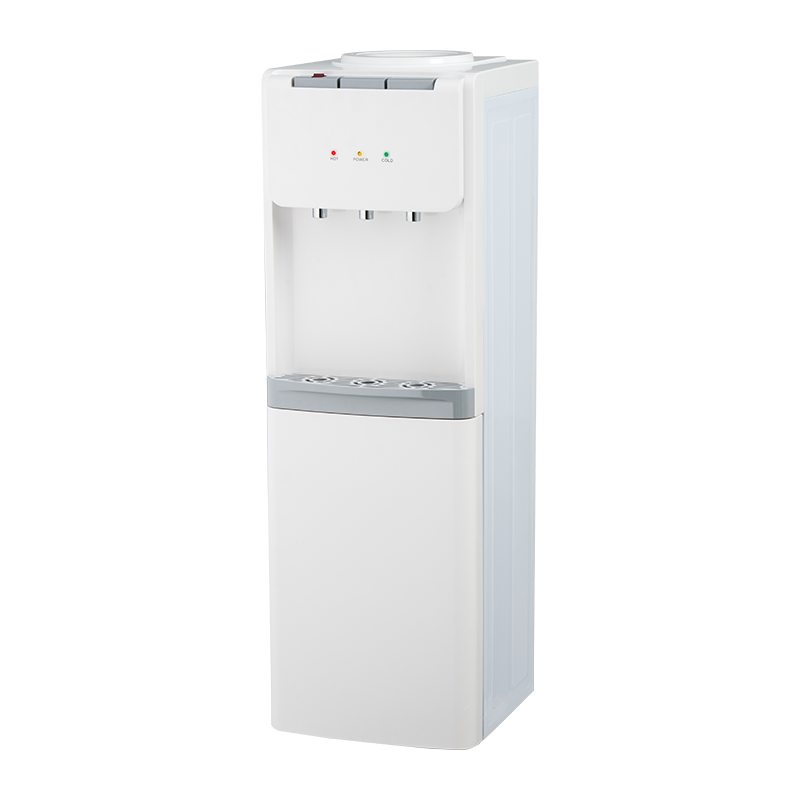
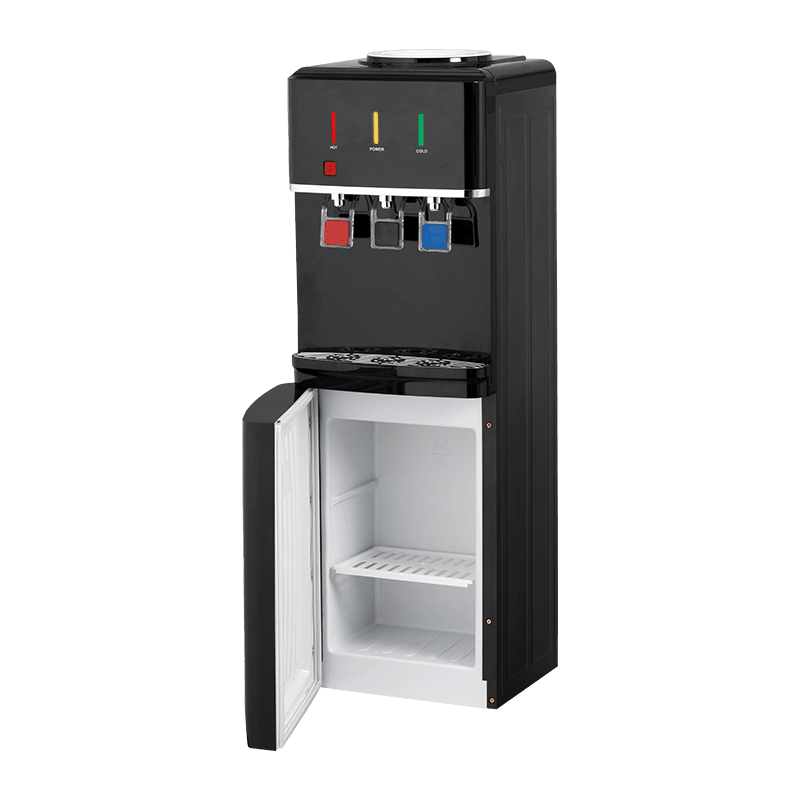
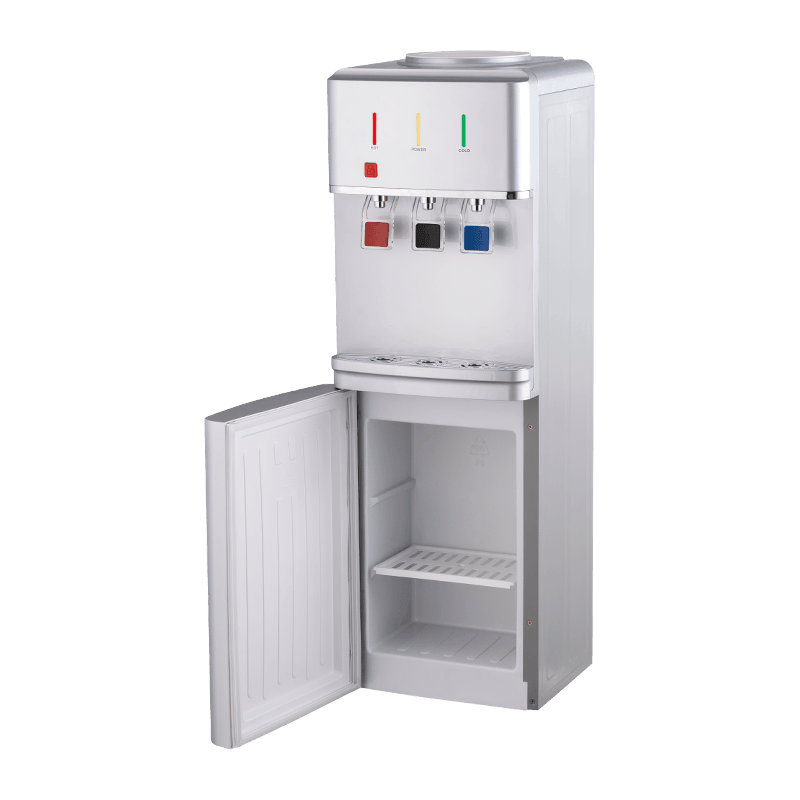
A vertical water dispenser – often called a freestanding water cooler or upright water dispenser – is a self-contained unit that stands on the floor and typically holds a large water bottle (usually 3 to 5 gallons) inverted on the top. Gravity feeds water into internal reservoirs where it is cooled (by a compressor or thermoelectric system) and, in some models, heated for hot beverages. The user dispenses water via push-button or lever-operated taps at the front. These dispensers are available in various capacities, styles, and configurations, from basic cold-only models to feature-rich units with built-in cup dispensers, child safety locks, and energy-saving modes. In this article, we will explore the different types, compare top-loading vs. bottom-loading designs, discuss safety and hygiene, and provide practical tips for choosing, installing, and maintaining your vertical water dispenser.
What Are the Different Types of Vertical Water Dispensers?
Vertical water dispensers are not one-size-fits-all. Understanding the variations helps you select the right model for your needs. The primary categories are:
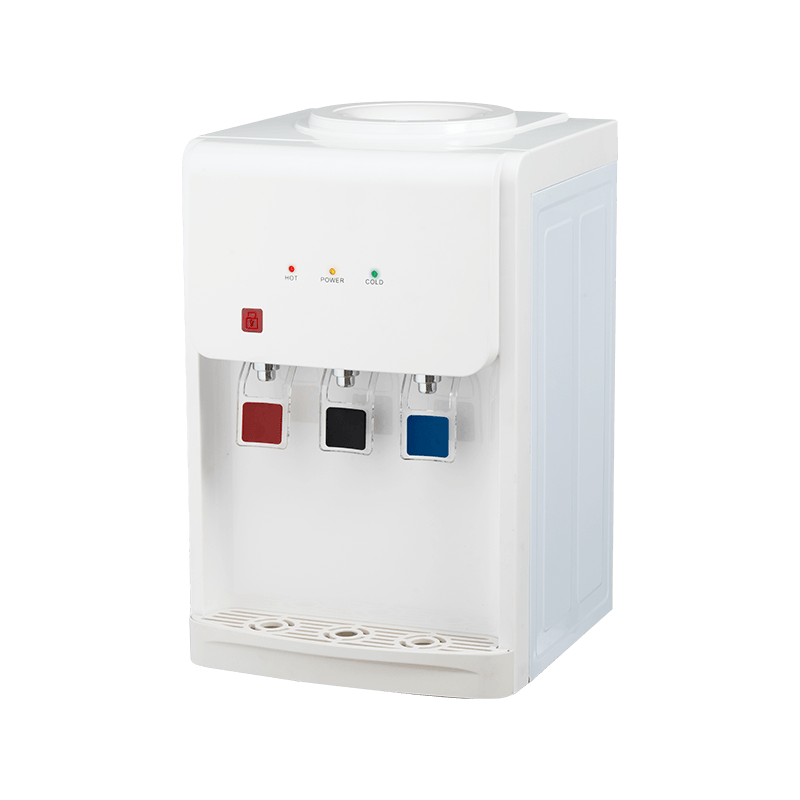
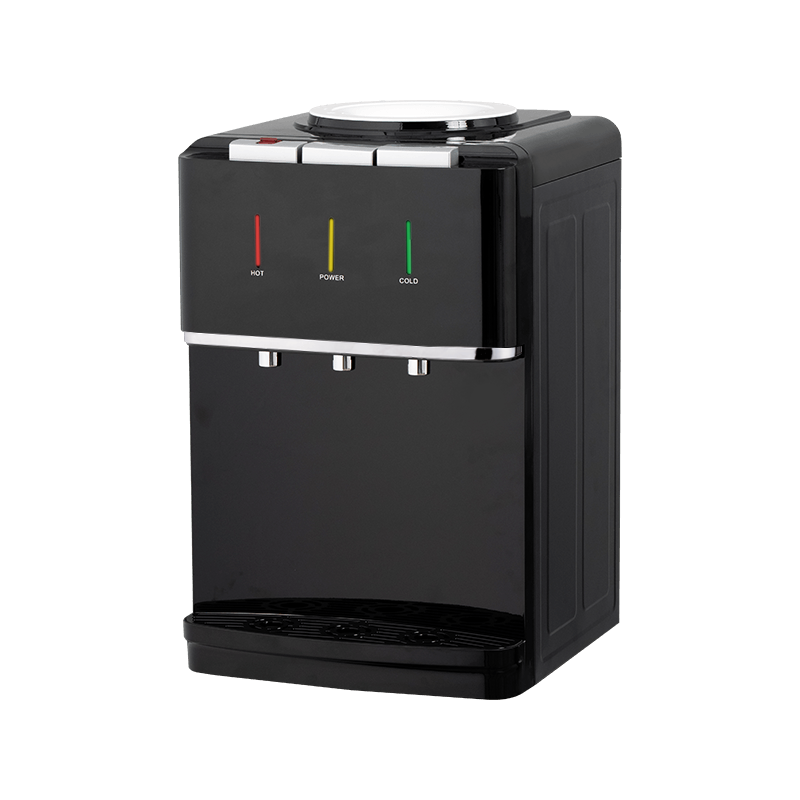
Top-loading vertical water dispensers: This is the classic design where the water bottle is placed upside down on the top of the unit. The bottle's neck fits into a receptacle that allows water to flow into the internal reservoirs. These are the most common and generally the most affordable. They are easy to use – just lift the jug onto the top. However, lifting a full 5-gallon bottle (weighing about 40 pounds) can be challenging for some users. Top-loading models are widely available from brands like Primo, Avalon, and Brio.
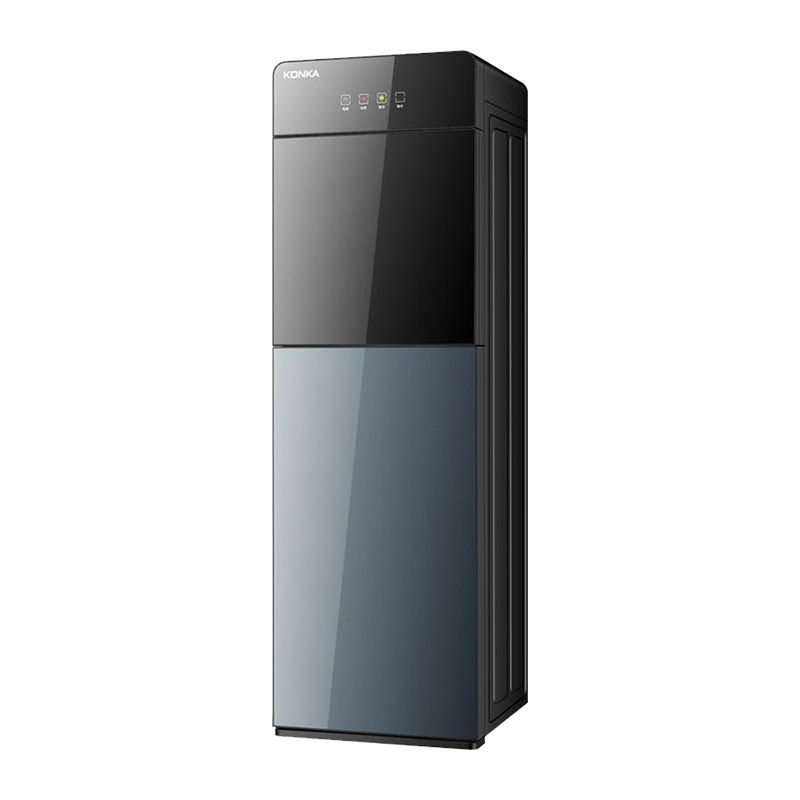
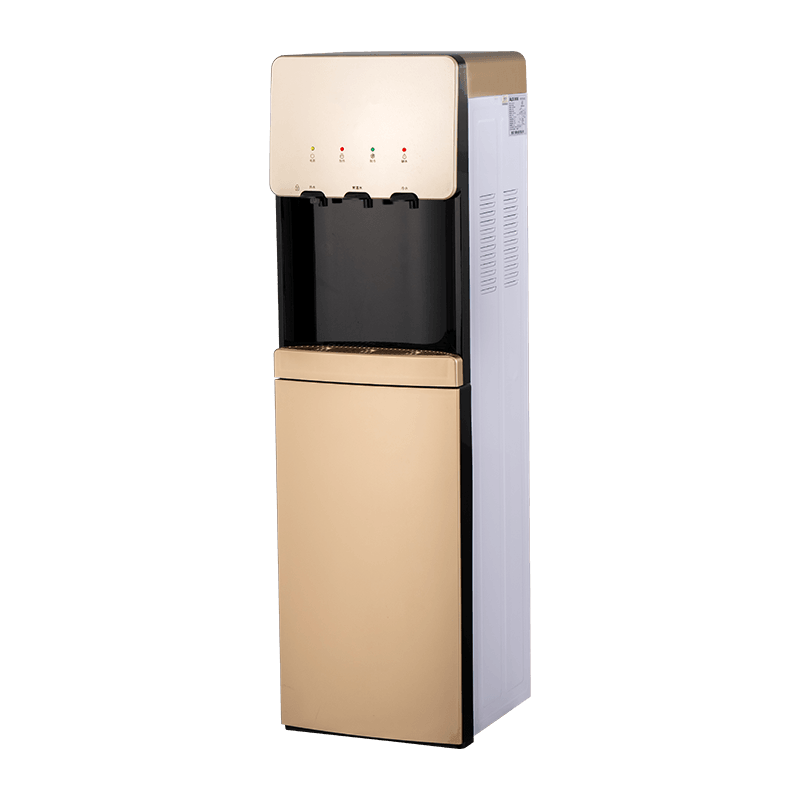
Bottom-loading vertical water dispensers: These models conceal the water bottle inside a lower cabinet, eliminating the need to lift heavy jugs overhead. You simply slide the bottle into the bottom compartment, and a pump draws water up. While they are more expensive and have more components (pumps, tubes), they offer easier loading and a cleaner appearance, with no exposed bottle. Bottom-loading designs are growing in popularity, especially in offices where multiple people change the water. However, they are generally more expensive to purchase and may have more parts that could require maintenance.
Cold-only vertical water dispensers: As the name suggests, these units only provide chilled water. They are simpler, less expensive, and consume less energy than models with heating capabilities. Ideal for gyms, hot climates, or places where hot water is not needed.
Hot-and-cold vertical water dispensers: These offer both refrigerated water and hot water (typically around 185-195°F) for tea, coffee, instant soups, and oatmeal. They usually have two separate taps and dual heating and cooling systems. They are more versatile but consume more electricity and cost more upfront.
Room-temperature (or ambient) dispensers: Some models provide water at room temperature without chilling or heating. These are less common but can be useful in areas where extreme temperatures are not desired, or for baby formula preparation.
Point-of-use (POU) vertical dispensers: Instead of using bottled water, these units are directly connected to the building's water supply and include built-in filtration systems. They provide unlimited water without the need to change jugs, but they require plumbing and a water line. They are often installed in commercial kitchens and high-traffic offices. While they are vertical floor-standing units, they are not bottle-fed, so they may not be considered “traditional” vertical dispensers by all definitions.
For the remainder of this guide, we will focus primarily on bottle-fed vertical water dispensers, as they represent the most common consumer purchase.
What Are the Key Benefits of Choosing a Vertical Water Dispenser?
The enduring popularity of vertical water dispensers is no accident. They offer several compelling advantages that make them a staple in homes and workplaces.
Accessibility and convenience: A vertical dispenser provides instant access to cold and/or hot water at any time. No need to wait for a kettle to boil or run the tap to get cold water. In an office, employees can stay hydrated without leaving their desks for long periods.
Cost-effectiveness: Compared to buying individual bottled water, a vertical dispenser with 5-gallon jugs significantly reduces cost per liter. It also eliminates the waste of single-use plastic bottles. Many water delivery services offer regular refillable jugs, making it easy to maintain a supply.
Space-saving design: A vertical water dispenser has a small footprint (typically about 12-14 inches wide and 16-18 inches deep) and fits nicely against a wall or in a corner. It occupies no counter space and can be placed in breakrooms, corridors, or kitchen nooks.
Aesthetically pleasing: Modern vertical dispensers come in various finishes – stainless steel, black, white, or even wood grain – to match different décors. Some models have LED lights, digital displays, and sleek contours that enhance the look of the room.
Consistent water temperature: The internal cooling system maintains cold water at a steady temperature (usually 40-50°F) regardless of ambient conditions. The heating system keeps hot water ready on demand. This consistency is especially important in commercial settings.
Safety features: Many vertical dispensers include child safety locks on the hot water tap to prevent accidental scalding. Some have automatic shut-off when the water level is low, and indicator lights to alert when the bottle is empty.
Durability and reliability: With proper maintenance, a quality vertical water dispenser can last for many years. The simple gravity-fed design (in top-loaders) has few moving parts, reducing the chance of mechanical failure. Compressor-based cooling systems are robust and efficient.
What Are the Potential Drawbacks of a Vertical Water Dispenser?
No product is perfect. Before purchasing a vertical water dispenser, consider its limitations.
Heavy lifting (for top-loading models): Lifting a full 5-gallon water bottle (about 40-45 lbs) onto the top of the dispenser can be a physical challenge for elderly individuals, people with back problems, or anyone with limited strength. Even for able-bodied users, the repeated lifting can lead to strain over time. This is the primary reason many consumers switch to bottom-loading or plumbed-in units.
Maintenance and cleaning: Vertical dispensers require regular cleaning to prevent bacterial growth in the reservoirs and taps. The water bottle and the internal components must be sanitized periodically. If neglected, the water quality can deteriorate. Cleaning typically involves using a mild bleach solution or vinegar and rinsing thoroughly. Some models have self-cleaning features, which simplify the process but add cost.
Noise: Compressor-based cooling systems can produce audible humming or buzzing sounds, which may be distracting in quiet office environments or bedrooms. Thermoelectric coolers are quieter but less efficient in warm climates. Some modern units are designed with noise-reducing technology.
Energy consumption: A vertical dispenser that constantly cools water uses electricity 24/7. Energy Star-rated models are more efficient, but they still contribute to your utility bill. Heating water adds to energy use. For occasional use, consider turning off the heating function when not needed.
Water bottle availability and storage: You need a steady supply of filled 5-gallon jugs. If you rely on delivery service, you must coordinate schedules. If you buy from a store, you have to transport and store extra bottles, which take up space. Additionally, jugs can be heavy and unwieldy to handle.
Potential for leaks: If the bottle is not seated properly or the seals wear out, water can leak onto the floor, causing damage or slipping hazards. Regular inspection of the bottle and the unit's seals is necessary.
Vertical vs. Bottom-Loading vs. Countertop: Which Dispenser Is Best for You?
Choosing between vertical (top-loading), bottom-loading, and countertop dispensers depends on your space, budget, and physical capabilities. Here is a quick comparison:
Vertical top-loading: Most affordable, simple design, easy to operate, but requires lifting. Ideal for homes with multiple capable users and for offices where staff can take turns.
Vertical bottom-loading: No lifting – just slide the bottle into the lower compartment. Looks sleek with hidden bottle. More expensive, slightly more complex (pump), may be noisier due to pump operation. Best for users with back issues or for high-end offices.
Countertop dispensers: Compact, sit on a counter, use smaller bottles (e.g., 3 gallons) or can be plumbed. Limited capacity, take up counter space, but are portable and suitable for small kitchens or rental spaces.
Plumbed-in (point-of-use) dispensers: Connected to the building's water line, no bottle changes. Require installation and plumbing. Provide unlimited water, but require filter changes and are more expensive to install. Ideal for high-traffic commercial settings.
For most home users and small offices, the traditional vertical top-loading dispenser offers the best balance of cost, simplicity, and performance. If lifting is a concern, spend extra on a bottom-loading model.
How to Choose the Best Vertical Water Dispenser for Your Needs
With so many models on the market, focus on these key factors to make the right choice.
Temperature options: Do you need hot water? If you drink a lot of tea or coffee, a hot-and-cold model is worth it. If not, a cold-only unit saves energy and money. Some units also offer a room-temperature tap for baby formula or when you want water without ice.
Cooling system type: Compressor-based cooling is more efficient and can chill water faster, but it's noisier and heavier. Thermoelectric (solid-state) cooling is quieter and lighter but works best in moderate climates; it may struggle in hot environments. For most homes, a compressor is recommended for performance. For an office with low noise sensitivity, thermoelectric could be acceptable.
Heating capacity: If you opt for a hot water feature, check the heating capacity – typically 85-95°C (185-203°F). Some models have a higher temperature for better tea extraction. Also, check the hot water tank capacity; larger tanks mean more hot water available before needing to reheat.
Water bottle compatibility: Most vertical dispensers accept standard 3-gallon and 5-gallon jugs with a standard neck opening. Verify that the dispenser’s bottle receptacle fits the jugs you intend to use. Some dispensers are designed for specific brands.
Safety features: For households with children, a child safety lock on the hot water tap is essential. Some units also have spill-proof drip trays, non-slip feet, and automatic shut-off when the bottle is empty to prevent the pump or heater from running dry.
Energy efficiency: Look for Energy Star certification, which indicates lower energy consumption. Some models have an energy-saving mode that turns off the heating or cooling during off-hours (e.g., at night).
Design and size: Measure the available floor space. Standard vertical dispensers are roughly 38-42 inches tall, 12-14 inches wide, and 14-18 inches deep. Consider the color and finish to match your décor. Some have a built-in cup dispenser or storage cabinet.
Warranty and brand reputation: Choose brands with good reviews and warranty support (typically 1 year on parts and labour). Brands like Avalon, Primo, Brio, and Oasis are well-regarded.
Noise level: Check product specs or reviews for noise ratings. Some units advertise “whisper-quiet” operation.
Ease of cleaning: Look for units with removable drip trays and accessible internal components. Some have a self-cleaning cycle that uses ozone or UV light to sanitize the water path.
How to Properly Install a Vertical Water Dispenser
Setting up a vertical water dispenser is straightforward, but proper installation ensures safety and performance.
Location: Place the dispenser on a level, sturdy floor, away from direct sunlight, heat sources, and high-traffic areas where it could be knocked over. Allow at least a few inches of clearance around the unit for air circulation (especially for compressor-based models). Do not place it near a stove or radiator.
Electrical requirements: Most units require a standard 110-120V outlet (or 220-240V in some regions). Ensure the outlet is grounded and can handle the power draw (usually 100-500W for cooling and 500-1000W for heating). Avoid using extension cords; plug directly into the wall.
Preparing the bottle: Remove the plastic cap and foil seal from the neck of the new water jug. Some bottles have a reusable cap that needs to be removed. For top-loading dispensers, carefully lift the jug and invert it, placing the neck into the receptacle. You may hear a gurgling sound as water fills the internal reservoir. For bottom-loading units, slide the bottle into the bottom compartment, and connect the intake tube (follow the manufacturer's instructions).
Priming the system: After installing the bottle, press the cold water button to purge air from the lines. You may need to dispense a few cups of water before it flows smoothly. For hot water, allow the heating element to warm up (usually 10-20 minutes) before dispensing hot water.
Leveling: Use the adjustable leveling feet to ensure the dispenser is perfectly level. An unlevel unit can cause water to spill from the drip tray or affect the cooling efficiency.
Maintaining and Cleaning Your Vertical Water Dispenser
Regular maintenance is essential for water quality and equipment longevity. Follow this recommended schedule.
Daily: Empty and wipe the drip tray to prevent bacterial growth. Wipe down the exterior with a soft, damp cloth.
Weekly: Inspect the water bottle for leaks or damage. Check the water level indicator (if present). If you notice any off-taste or odor, it's time for a more thorough cleaning.
Monthly (or every 3 months, depending on usage): Clean the internal reservoirs and water paths. A simple method: unplug the unit, remove the bottle, and drain any remaining water by pressing the taps. Mix a solution of 2 tablespoons of unscented bleach with 2 gallons of warm water (or use a commercial descaler). Pour the solution into the top reservoir (or into the bottom bottle receptacle for bottom-loaders) and run it through the taps until the solution is depleted. Let it sit for 10-15 minutes. Then, rinse thoroughly by running clean water through the system 2-3 times to remove all bleach residue. Wipe down the bottle receptacle and taps.
Descaling (especially if you have hard water): If you notice mineral deposits inside the reservoirs, use a descaling solution or white vinegar. Run a vinegar-water solution through the system, then rinse thoroughly.
Filter replacement (if applicable): Some vertical dispensers have built-in filters (carbon or sediment). Replace them according to the manufacturer's schedule, typically every 6-12 months.
General inspection: Check the power cord for damage, ensure the plug is secure, and examine the seals around the taps for any wear. If the unit makes unusual noises or fails to heat/cool properly, consult the user manual or contact customer support.
Troubleshooting Common Vertical Water Dispenser Problems
Even reliable units can develop issues. Here are common problems and solutions.
Problem: Water is not cold enough. Check that the cooling switch is turned on. Ensure the unit has had adequate time to chill (several hours for first use). Clean the condenser coils (if accessible) to improve heat dissipation. If the room temperature is very high, the cooling may be less effective.
Problem: Water is not hot enough. Verify the heating switch is on. Allow time for the water to heat (10-20 minutes). If the unit has a hot water tank, it may be set too low; some models have adjustable thermostats.
Problem: Water flows slowly or stops flowing. Check if the bottle is empty. For top-loaders, ensure the bottle is properly seated; sometimes a vacuum lock occurs – open the small vent cap on the bottle (if present) to allow air in. For bottom-loaders, the pump may need priming or the intake tube may be clogged.
Problem: Water leaks from the unit. Check the bottle seal for cracks or misalignment. Inspect the internal hoses for leaks (requires opening the unit – consult a professional if under warranty). Ensure the drip tray is not overflowing.
Problem: Unusual noise (humming, rattling). Compressor units always make some noise. Rattling may indicate loose parts or an uneven floor – level the unit. Persistent loud noise may signal a failing compressor or fan motor; contact service.
Problem: Water has an off-taste. Clean the system thoroughly (see maintenance section). If the bottle itself is old or exposed to sunlight, replace it. Check if the water source (the jug) is contaminated.
Energy Efficiency and Environmental Impact
Vertical water dispensers, especially those with both hot and cold functions, can contribute to your energy footprint. Energy Star-rated models use up to 30-50% less energy than non-certified units. To save energy, consider these tips: turn off the hot water heater when not needed (e.g., overnight or on weekends), place the dispenser in a cooler area (away from heat sources), and choose a model with an energy-saving mode that automatically powers down after periods of inactivity. In terms of environmental impact, using large refillable jugs significantly reduces plastic waste compared to single-use bottles. Many water delivery services now use reusable jugs that are sanitized and refilled, creating a closed-loop system. When purchasing, look for units made from recyclable materials and with low refrigerant global warming potential (GWP).
Vertical Water Dispenser vs. Pitcher Filters and Faucet Mounts
Some may wonder if a vertical dispenser is overkill compared to simpler solutions. Pitcher filters (like Brita) provide filtered water at room temperature, but they require manual pouring and refrigeration if you want cold water. Faucet-mounted filters offer convenience but do not chill water. Neither can provide instant hot water. For households with high water consumption, a vertical dispenser is far more efficient, offering a constant supply of chilled and/or hot water without taking up refrigerator space or waiting for boiling. The initial investment and ongoing cost of jugs are offset by the convenience and reduced reliance on disposable bottles.
Where to Place Your Vertical Water Dispenser for Maximum Convenience
The location of your dispenser affects usage frequency and safety. Here are some tips:
- In the kitchen: near the refrigerator or pantry, but not blocking walkways.
- In a home office: next to a desk for easy access during work hours.
- In a breakroom: centrally located to encourage hydration.
- In a gym: near the entrance or workout area, with a mat underneath to catch drips.
- In a waiting room: against a wall, with a small table for cups.
Avoid placing the dispenser in direct sunlight, as UV rays can degrade the plastic components and promote algae growth in the water. Also, avoid areas with high humidity (bathrooms) as moisture can affect the electrical components.
Cost Considerations: Purchase Price and Operating Costs
The initial price of a vertical water dispenser ranges from around $80 for a basic cold-only top-loader to $300-$600 for a premium hot-and-cold bottom-loading unit with digital controls and self-cleaning features. On top of that, you have the recurring cost of bottled water – typically $5-$15 per 5-gallon jug depending on delivery vs. in-store purchase. Additionally, electricity costs for a typical unit range from $20-$60 per year (for a cold-only Energy Star model) to $80-$150 per year for a hot-and-cold unit. Maintenance costs are minimal (cleaning supplies, occasional filters). Over its lifetime (5-10 years), the total cost of ownership is significantly lower than buying individual bottled water or relying on a fridge with an ice maker.
What Are the Best Brands of Vertical Water Dispensers?
Several reputable brands dominate the market. Avalon is known for its reliable compressors and self-cleaning models. Primo offers a wide range, including top-loading and bottom-loading, often with water delivery services. Brio produces modern, sleek units with digital controls and temperature displays. Oasis is a commercial-grade brand commonly found in workplaces. Other brands like Igloo, EdgeStar, and Nutrichef offer budget-friendly options. When comparing, read reviews that mention ease of use, noise, and customer support. For warranty, most brands offer 1 year on parts, with some extending to 2-3 years on the compressor.
Frequently Asked Questions (FAQ)
How often should I replace the water bottle in a vertical water dispenser? It depends on consumption. A 5-gallon bottle typically lasts a household of 4 people about 5-7 days. Replace it when the dispenser runs low or the water tastes stale. Always use fresh, sealed jugs from a reliable source.
Can I put tap water in my vertical water dispenser? If your dispenser is bottle-fed, you must use bottled water (either purchased or refilled jugs from a water store). You cannot pour tap water directly into the dispenser unless it is a plumbed-in point-of-use model. Tap water may contain impurities that can clog the system or affect taste.
Is a vertical water dispenser safe for children? Yes, provided it has a child safety lock on the hot water tap. Cold water is safe. Always supervise young children near any electrical appliance and teach them to use the taps gently.
How do I clean the internal water lines? Use a cleaning solution (bleach or vinegar) as described in the maintenance section. Some models offer a self-cleaning cycle with ozone or UV light; follow the manufacturer's instructions. Regular cleaning prevents biofilm buildup.
Can I get a vertical water dispenser with a built-in ice maker? A few premium models include an ice maker or a nugget ice dispenser, but they are expensive and less common. Separate ice makers are typically more economical.
What is the best way to lift a heavy water bottle onto a top-loading dispenser? Use proper lifting technique: bend your knees, keep your back straight, and lift with your legs. Some people use a bottle lifter tool or a step stool to reduce the height you need to lift. Alternatively, switch to a bottom-loading model.
Do vertical water dispensers need a water line connection? No, bottle-fed models do not require plumbing. They are portable and only need a power outlet.
How long does it take for a vertical dispenser to cool water? It can take 1-2 hours to reach the set temperature after first installation. The cooling system runs continuously to maintain temperature.
Can I turn off the hot water function to save energy? Yes, most units have a separate on/off switch for the heating element. Turn it off when not in use.
Is it normal for the dispenser to make a gurgling sound? Yes, gurgling is normal as water flows from the bottle into the internal reservoir. It may also occur after you dispense water as the system refills.
How do I prevent algae growth inside the bottle? Keep the bottle out of direct sunlight and use it within a reasonable time (2-3 weeks). Some water services treat their water to inhibit algae.
Can I use a vertical water dispenser outdoors? Generally not recommended unless it is specifically rated for outdoor use. Moisture, temperature extremes, and insects can damage the unit. If you must, place it in a covered, sheltered area.
What is the typical lifespan of a vertical water dispenser? With proper maintenance, a quality unit can last 5-10 years or more. The compressor (in cooling models) is usually the component that fails first; many warranties cover it for up to 5 years.
Do I need to filter the water before putting it into the dispenser? If you buy pre-filtered jug water, no. If you refill jugs from a water station, ensure the water is purified. Some dispensers have built-in filters for extra purity.
Can a vertical dispenser dispense both hot and cold water simultaneously? Yes, hot and cold water are stored in separate reservoirs and can be dispensed independently. The heating and cooling systems operate simultaneously.
Why does my dispenser’s hot water taste different? Hot water may absorb flavors from the internal tank or the heating element. If it tastes metallic or stale, descale and clean the system. Also, ensure the water source is fresh.
Is it safe to leave the dispenser plugged in 24/7? Yes, they are designed for continuous operation. However, if you are going on vacation for a long period, unplug the unit and empty the reservoirs to save energy and prevent bacterial growth.
How much does a vertical water dispenser weigh (empty)? Typically 20-30 pounds (9-14 kg). A full 5-gallon bottle adds about 40 pounds (18 kg), so the total weight when loaded is significant.
Can I use my vertical dispenser for making hot drinks like tea? Absolutely. The hot water tap provides water at the ideal temperature for tea, coffee, hot chocolate, or instant soup.
What is the warranty on most vertical dispensers? Usually 1 year on parts and labour, and 2-5 years on the compressor (cooling system). Always register your product to activate the warranty.
Final recommendation: A vertical water dispenser is a time-tested, reliable solution for providing chilled and hot water on demand. It combines convenience, cost-effectiveness, and a compact footprint, making it ideal for homes, offices, and various commercial spaces. When choosing, weigh the lifting requirements, energy consumption, and desired temperature options. Prioritize safety features, especially if children are present. With regular cleaning and proper maintenance, your vertical water dispenser will deliver clean, great-tasting water for many years. Whether you opt for a classic top-loading model or a modern bottom-loading unit, this appliance will become an indispensable part of your daily routine.