English
 Español
 عربى
عربى 中文简体
中文简体

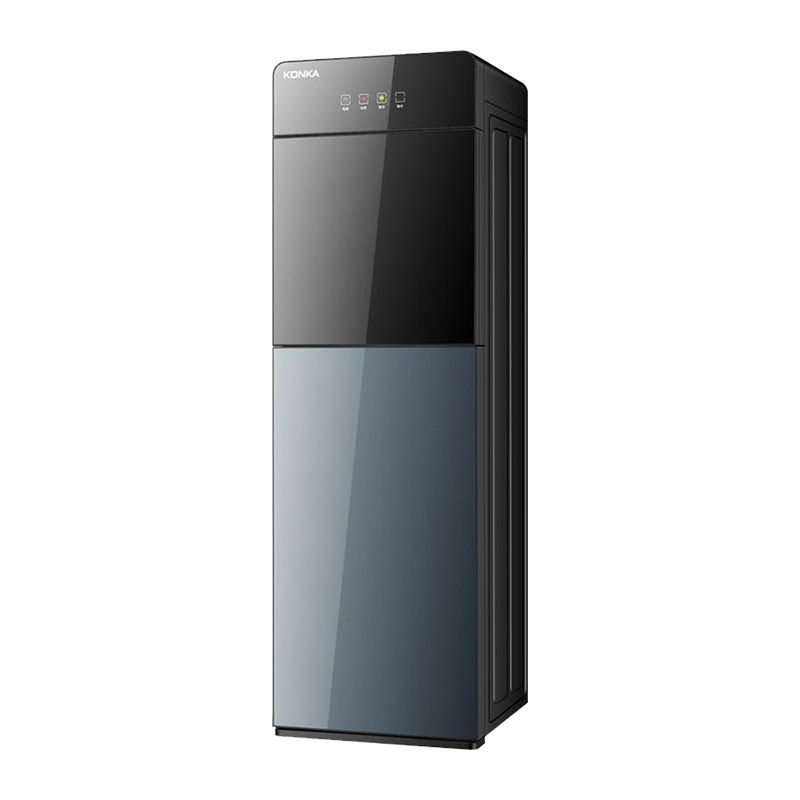
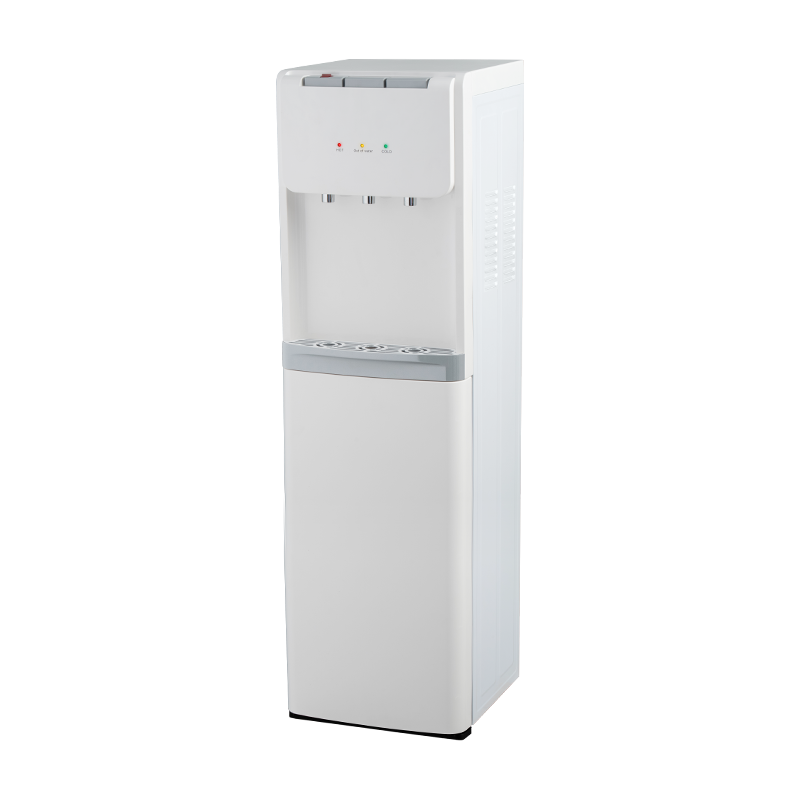
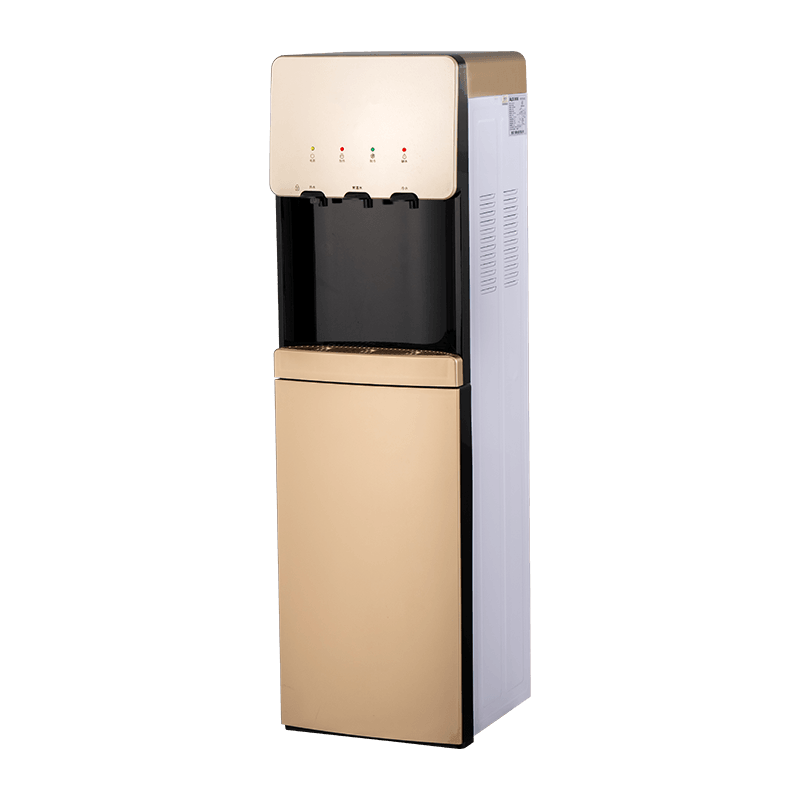
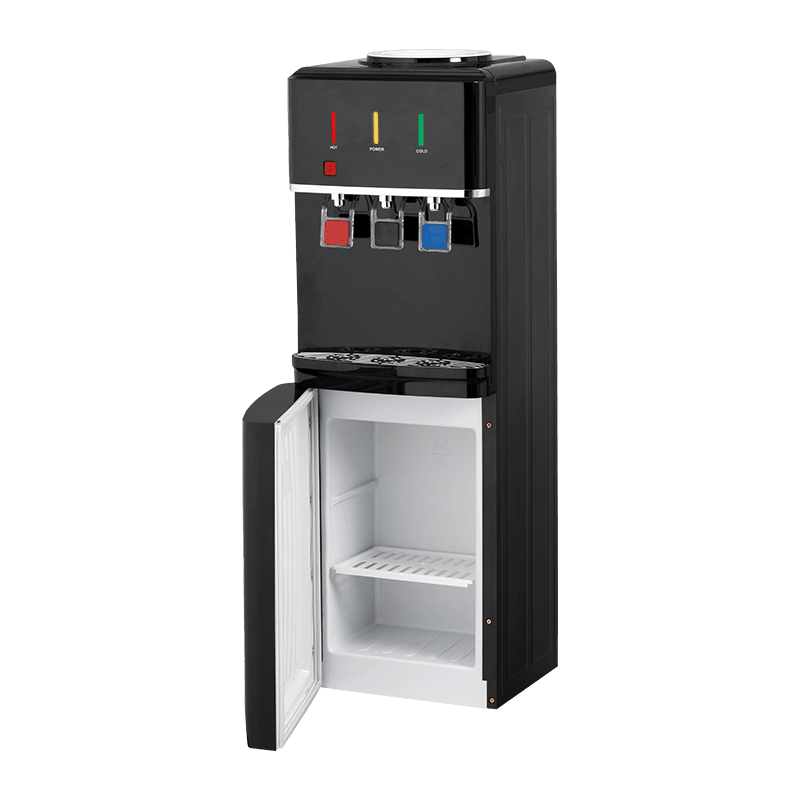
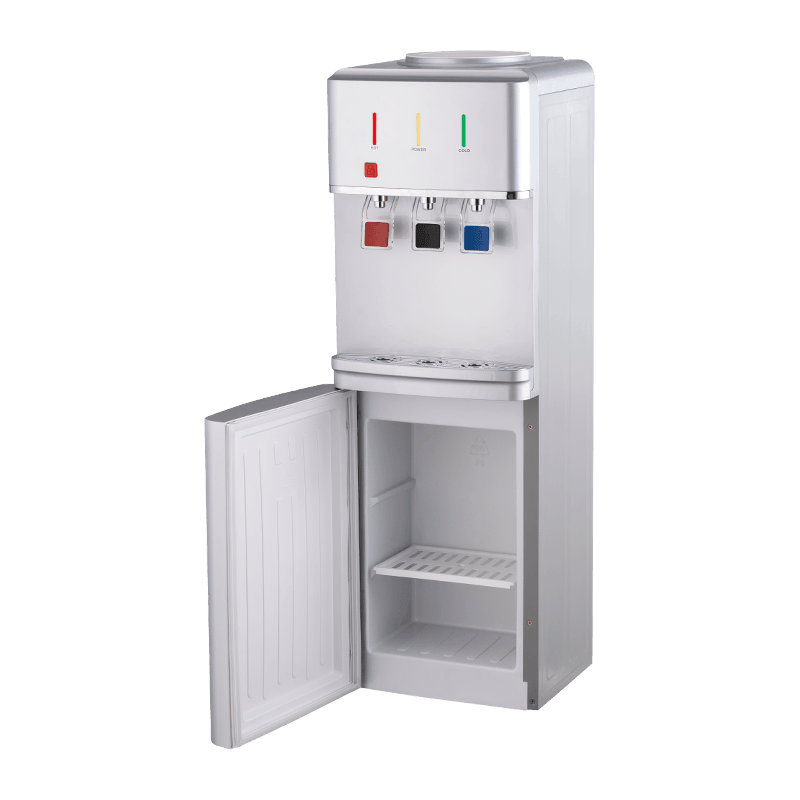
The pursuit of consistent hydration within modern residential and professional settings has led to the widespread adoption of specialized water delivery systems. Among these, the bottom loading water dispenser has emerged as a sophisticated alternative to traditional configurations, primarily due to its focus on user accessibility and interior design integration. Unlike older models that require users to lift heavy containers onto a high pedestal, these units house the water reservoir in a concealed lower cabinet. This fundamental shift in design addresses the physical limitations often associated with water bottle replacement while providing a sleek appearance that complements contemporary kitchen and office decor. By examining the mechanical principles, material safety standards, and ergonomic benefits of these machines, one can understand why the bottom loading configuration is increasingly viewed as the standard for efficient fluid management.
The Mechanical Principles and Pumping Systems of Bottom loading Water Dispenser Technology
To understand how a bottom loading water dispenser operates without the assistance of gravity, it is necessary to explore the internal pumping mechanisms that move fluid from the base to the dispensing nozzles. These machines rely on a combination of air pressure and mechanical suction to ensure a steady and reliable flow of water. The core of the system is a high pressure water pump located within the main chassis, which is activated whenever a user depresses a dispensing button or lever.
The process begins with a specialized suction probe that is inserted into the water bottle. This probe is typically equipped with a flexible, food grade hose and an airtight cap that seals the bottle neck. When the pump is activated, it creates a vacuum within the internal lines, drawing water upward from the bottom of the bottle. Advanced models incorporate sensors that detect the presence of water; if the bottle is empty, the pump automatically deactivates to prevent air from entering the system and to protect the motor from overheating. This automated monitoring ensures that the machine remains functional and reduces the risk of mechanical failure over long periods of use.
Comparing the Ergonomic Advantages of Bottom loading Systems Against Traditional Top loading Units
The primary driver for the popularity of the bottom loading water dispenser is the elimination of the physical strain associated with changing water bottles. A standard twenty liter water bottle weighs approximately twenty kilograms, making it difficult for many individuals to lift and flip onto a traditional top loading machine. In professional environments or households with elderly residents, this physical requirement can lead to injury or operational delays.
By placing the bottle cabinet at floor level, the bottom loading design allows the user to simply slide the bottle into place. This accessibility makes the task manageable for almost anyone, regardless of physical strength. Furthermore, the lower center of gravity provided by the weight of the water bottle at the base increases the overall stability of the unit. While a top heavy dispenser might be prone to tipping if bumped, a bottom loading model remains firmly planted on the floor, enhancing safety in high traffic areas.
|
Functional Comparison |
Bottom loading Water Dispenser |
Top loading Water Dispenser |
|---|---|---|
|
Physical Effort Required |
Minimal sliding and connecting |
Heavy lifting and bottle flipping |
|
Visual Integration |
Hidden bottle for a clean look |
Exposed bottle disrupts decor |
|
Refill Visibility |
Often relies on electronic indicators |
Immediate visual check of bottle |
|
Stability and Safety |
Low center of gravity prevents tipping |
Top heavy design requires more care |
|
Ease of Maintenance |
Simple cabinet access for cleaning |
Requires cleaning the top reservoir |
|
Noise Levels |
Slight hum from the internal pump |
Nearly silent gravity feed |
How Advanced Thermal Management Systems Provide Instantaneous Hot and Cold Water
A high performance bottom loading water dispenser is more than just a delivery device; it is a thermal management hub that maintains water at specific temperatures for various tasks. These units feature separate internal reservoirs for hot and cold water, each equipped with its own specialized temperature control system. This dual functionality allows users to prepare hot beverages like tea or coffee and enjoy chilled drinking water simultaneously without any waiting time.
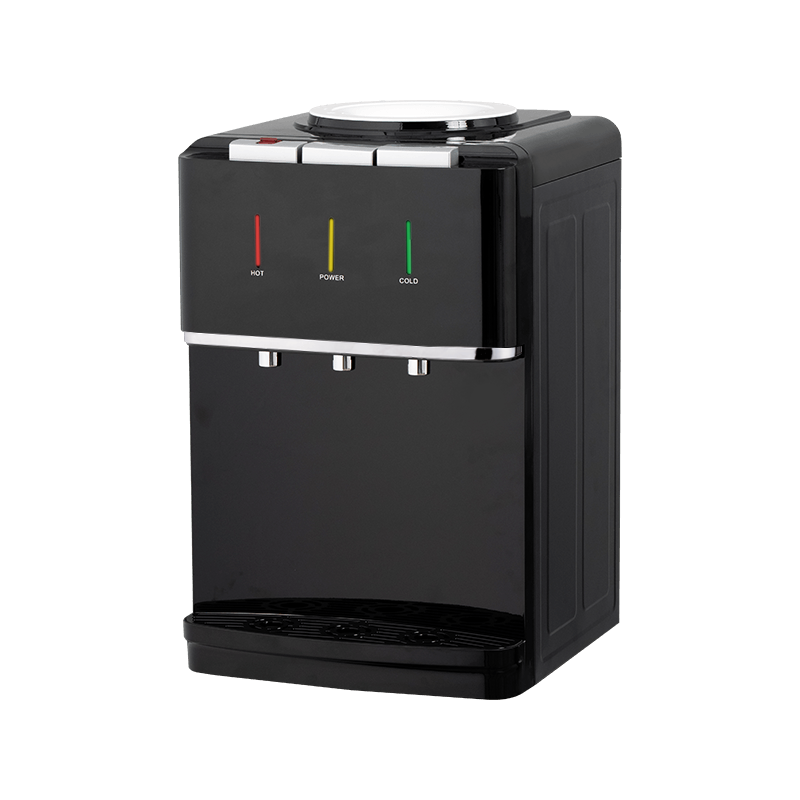
The cooling system typically utilizes a compressor based mechanism, which is significantly more powerful than the thermoelectric cooling found in smaller countertop units. This compressor operates by circulating a refrigerant to absorb heat from the cold water tank, maintaining the fluid at temperatures often below ten degrees Celsius. On the other hand, the heating system uses a powerful internal heating element that brings water to near boiling temperatures, usually around ninety five degrees Celsius. High density insulation surrounds these tanks to minimize thermal energy loss, ensuring that the machine operates efficiently and does not consume excessive electricity while maintaining its temperature settings.
Enhancing Interior Aesthetics with the Concealed Bottle Design
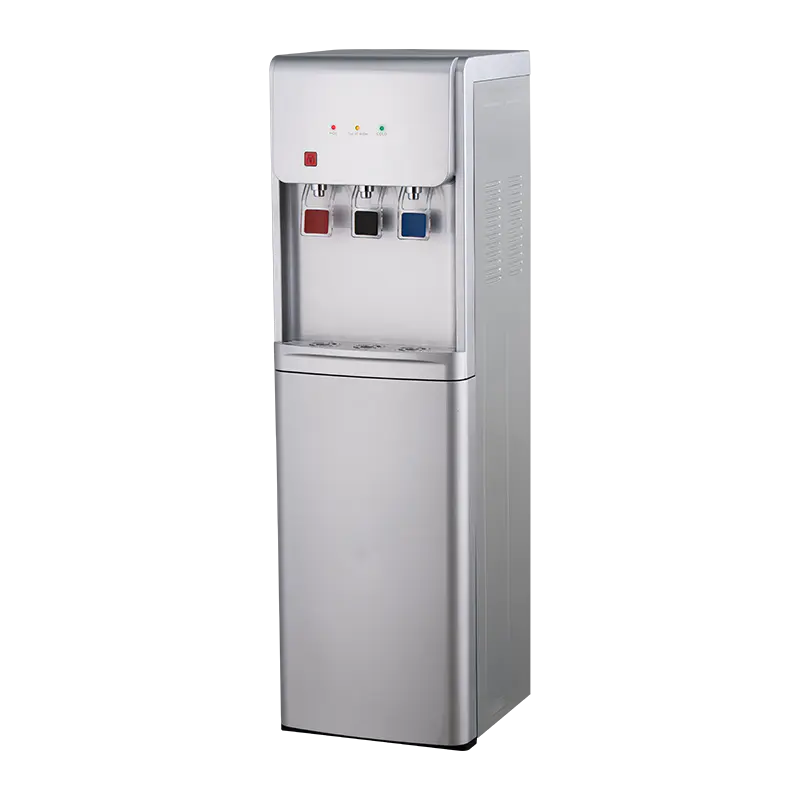
In modern interior design, the visual impact of household appliances is a significant consideration. A traditional water cooler with a large, translucent plastic bottle on top can often clash with minimalist or high end office aesthetics. The bottom loading water dispenser solves this problem by hiding the bulky water container behind a durable, often stainless steel or matte finished door.
This concealed design allows the dispenser to blend seamlessly with other kitchen appliances like refrigerators and dishwashers. The clean lines of the unit contribute to a professional and organized atmosphere in corporate breakrooms and reception areas. Because the bottle is not exposed to direct sunlight, there is also a reduced risk of algae growth within the water, which can sometimes occur in top loading models placed near windows. This combination of visual elegance and functional hygiene makes the bottom loading configuration the preferred choice for those who prioritize a cohesive design language in their living or working spaces.
The Role of Ultraviolet Sterilization and Self Cleaning Technology in Water Safety
Maintaining the biological purity of drinking water is a critical requirement for any dispensing system. Many top tier bottom loading water dispenser models now incorporate integrated ultraviolet sterilization systems to neutralize bacteria and viruses. A small UV lamp is positioned inside the internal reservoirs or near the dispensing nozzles, where it emits a specific wavelength of light that disrupts the DNA of microorganisms, preventing them from reproducing.
In addition to UV protection, some units feature ozone self cleaning cycles. Ozone is a powerful oxidizing agent that can be circulated through the internal lines and tanks to eliminate biofilm and odors. These cleaning cycles are often programmed to run automatically during the night or periods of low usage, ensuring that the machine remains sterile without the need for manual intervention. For users who are concerned about water quality, these advanced hygiene protocols provide an essential layer of protection, making the bottom loading dispenser a safe choice for healthcare facilities and schools.
Understanding the Structural Durability and Material Safety Standards of Modern Units
The longevity of a bottom loading water dispenser depends on the quality of the materials used in its construction. Professional grade units are built with stainless steel frames and high impact plastic panels that can withstand the demands of frequent use. The use of stainless steel is particularly important for the internal tanks and delivery lines, as this material is non porous and resistant to corrosion.
Material safety is further ensured through the use of BPA free plastics in all components that come into direct contact with the water. This prevents the leaching of harmful chemicals into the drinking supply, ensuring that the water remains fresh and neutral in taste. The structural integrity of the base cabinet is also a priority, as it must support the weight of a full water bottle while providing easy access for the user. Heavy duty hinges and secure latches on the cabinet door ensure that the machine remains intact and functional even in industrial settings where equipment is often handled with less care.
Safety Protocols and Child protection Mechanisms for Hot Water Dispensing
The ability to dispense near boiling water creates a potential hazard, especially in environments where children are present. Manufacturers of bottom loading water dispensers address this concern through the implementation of robust safety locks on the hot water controls. These mechanisms typically require a two step action, such as sliding a button while simultaneously pushing a lever, to activate the flow of hot water.
This design is engineered to be intuitive for adults but difficult for small children to operate accidentally. Some electronic models utilize a digital touch interface with a child lock button that must be held for several seconds before the hot water function is unlocked. These safety protocols are essential for preventing accidental burns and providing peace of mind for parents and caregivers. The wide base of the vertical design also contributes to safety by providing excellent stability, ensuring that the unit cannot be easily overturned by a child or a pet.
Installation Guidelines and Optimal Placement for High Performance Operation
Proper installation is a key factor in ensuring that a bottom loading water dispenser operates at its peak efficiency. Because these units rely on an internal compressor and a pump, they require a stable power source and adequate ventilation. The machine should be placed on a level floor to prevent vibration and ensure that the internal pump can draw water effectively from the bottle.
Maintaining proper airflow around the unit is also vital for the longevity of the compressor. If the dispenser is placed too close to a wall or inside a tight cabinet without ventilation, the heat generated during the cooling process will build up, forcing the motor to work harder and increasing energy consumption. Ideally, there should be at least ten centimeters of clearance on all sides of the machine. Keeping the unit away from direct heat sources like radiators or sunlight will also help the cooling system maintain a stable temperature more efficiently.
Environmental Responsibility and the Transition to Reusable Hydration Solutions
Choosing a bottom loading water dispenser is a significant step toward reducing the environmental impact of plastic waste. In many offices, the alternative to a centralized water dispenser is the provision of individual single use plastic water bottles. Over a year, a single large office can generate thousands of empty plastic bottles that often end up in landfills or oceans.
A bottom loading dispenser encourages the use of reusable glass or metal bottles among employees and family members. The twenty liter bottles used in these machines are designed to be returned to the supplier, cleaned, and refilled dozens of times before they are eventually recycled. This closed loop system drastically reduces the total volume of plastic required for water distribution. For organizations focused on corporate social responsibility and sustainability, the installation of a bottom loading unit is a visible and practical commitment to environmental stewardship.
Maintenance Protocols for Ensuring Long term Reliability and Water Quality
To keep a bottom loading water dispenser functioning correctly for many years, a consistent maintenance routine must be followed. While self cleaning features are helpful, manual intervention is still required to address mineral buildup and external cleanliness. Because water contains dissolved minerals like calcium and magnesium, these substances can eventually form scale on the internal heating elements and inside the tanks.
Descaling the unit every six to twelve months using a food grade solution is the most effective way to prevent this buildup. The process involves flushing the system with a mixture of citric acid or vinegar and water to dissolve the minerals. Additionally, the suction probe and the interior of the bottle cabinet should be wiped down with a sanitized cloth every time the bottle is changed. This prevents the growth of mold or bacteria in the damp environment of the cabinet. Regular maintenance not only ensures the quality of the water but also extends the life of the internal pump and heating components, protecting the user's investment.
Enhancing User Convenience with Intelligent Interface and Sensor Technology
Modern technological advancements have transformed the bottom loading water dispenser into a smart appliance. Many models now feature LED indicators that alert the user when the water bottle is nearly empty or when the filters need to be replaced. This proactive monitoring eliminates the guesswork associated with water management and ensures that the machine is always ready for use.
Some high end models incorporate touchless dispensing technology, utilizing infrared sensors to detect a cup or bottle placed in the dispensing area. Once detected, the machine automatically pours the selected water temperature, reducing the risk of cross contamination in public or shared spaces. Adjustable drip trays are another common feature, allowing users to accommodate various container sizes, from small coffee mugs to large sports bottles. These intelligent features reflect the changing expectations of consumers who seek a hydration solution that is both technologically advanced and user friendly.
Navigating the Selection of High Capacity Models for Large Workspaces
In environments with high water consumption, such as large corporate offices or fitness centers, selecting a high capacity bottom loading water dispenser is essential. These models are engineered with larger internal reservoirs and more powerful cooling compressors to ensure that the water temperature remains consistent even during peak usage times. A standard consumer unit might struggle to provide chilled water if dozens of people use it in quick succession, but a professional grade unit is designed for this specific challenge.
When choosing a high capacity model, it is important to check the cooling and heating rates, which are usually measured in liters per hour. A unit with a high recovery rate will be able to return the water to the desired temperature much faster after a large volume has been dispensed. This ensures that the last person in line for water gets the same quality of service as the first. Robust internal valves and reinforced nozzles are also hallmarks of these heavy duty machines, providing the durability needed for hundreds of dispensing cycles every day.
The Importance of Multi Stage Filtration in Point of Use Hybrid Models
While most bottom loading water dispensers use bottled water, some hybrid models can be connected directly to a water line while still retaining the bottom cabinet for storage or as an alternative source. These units often incorporate multi stage filtration systems, including sediment filters and activated carbon blocks. The sediment filter removes larger particles like rust and sand, while the carbon block absorbs chemicals like chlorine that can affect the taste and smell of the water.
This filtration technology is particularly valuable in areas where the municipal water supply may have quality issues. By purifying the water as it is dispensed, these machines provide a level of water quality that is comparable to premium bottled brands. For businesses that want to eliminate the logistical hassle of bottle deliveries entirely, a filtered hybrid dispenser offers the ultimate convenience. The filters are typically modular and easy to replace, ensuring that the water quality remains consistent over time with minimal effort from the staff.
Material Compatibility and Chemical Resistance in Water Dispensing Lines
The internal tubing of a bottom loading water dispenser must be made from materials that are resistant to both heat and chemical degradation. Silicone and polyethylene are the most common materials used for these lines because they are flexible and do not react with the water. These materials are also resistant to the high temperatures generated by the heating system, ensuring that the lines do not become brittle or leak over time.
In units equipped with ozone cleaning systems, the tubing must also be ozone resistant to prevent the material from breaking down during the sterilization cycles. High quality manufacturers ensure that every seal, gasket, and hose within the machine is tested for long term compatibility with the fluids it will carry. This attention to detail in material science is what separates a professional grade dispenser from a budget model, providing a reliable hydration solution that can serve a community for a decade or more.
The bottom loading water dispenser represents a perfect balance of mechanical innovation and user centered design. By addressing the physical challenges of water bottle management and incorporating advanced hygiene and thermal technologies, these machines provide a dependable source of clean water for any modern environment. Whether in a high end kitchen or a busy industrial facility, the versatility and durability of the bottom loading configuration ensure its continued relevance as a fundamental tool for health and productivity. Through proper installation and consistent maintenance, users can master the complexities of fluid management and enjoy a seamless hydration experience every day.