English
 Español
 عربى
عربى 中文简体
中文简体

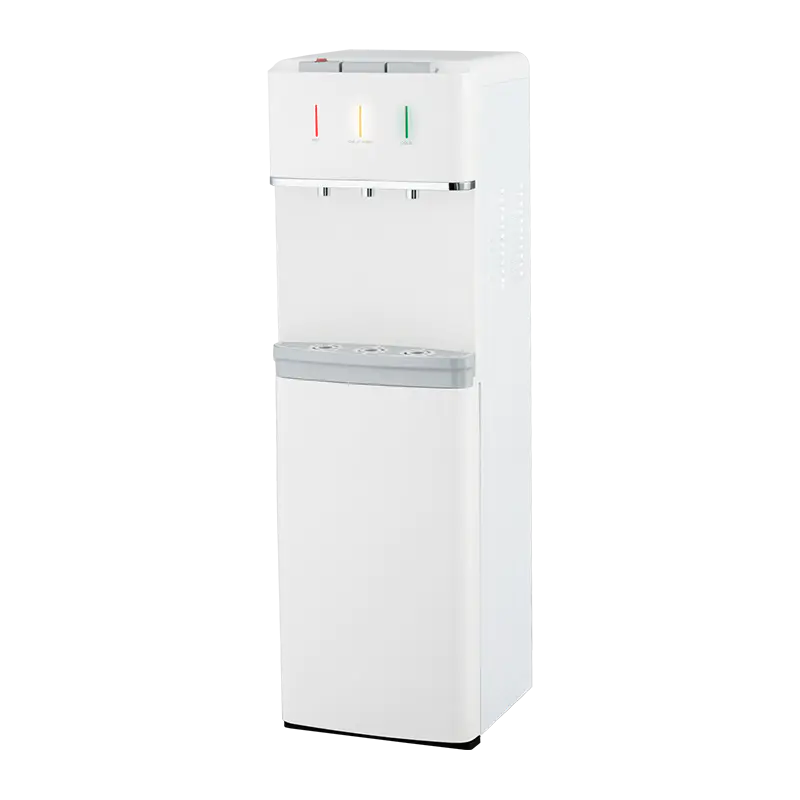
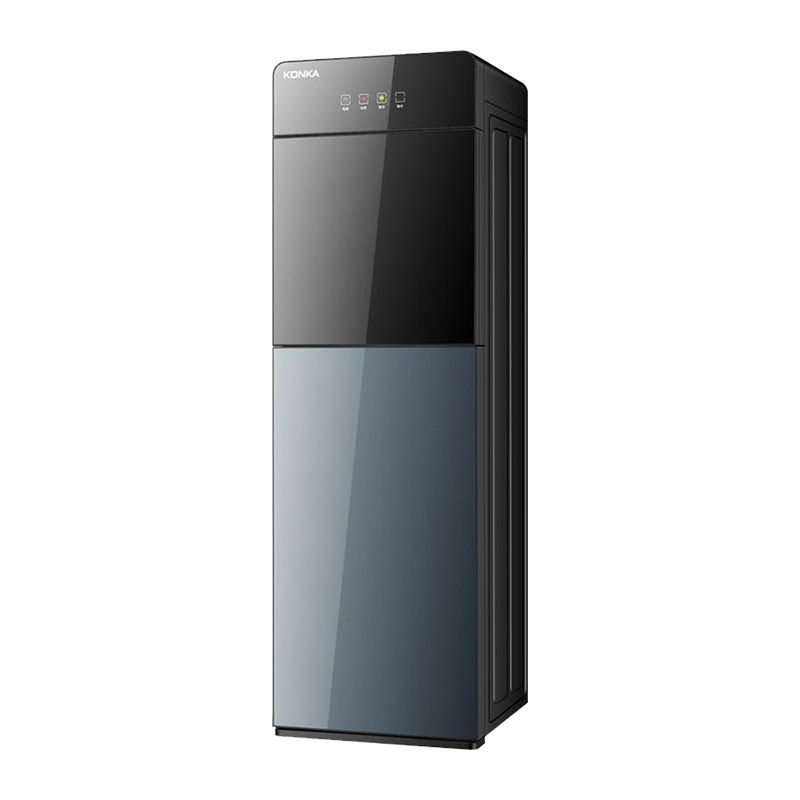
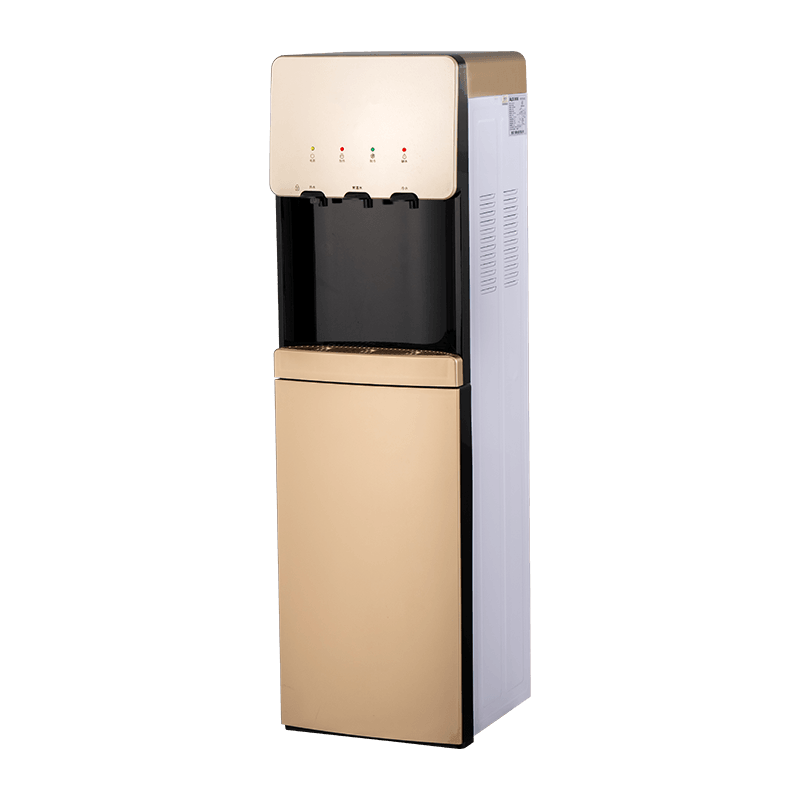
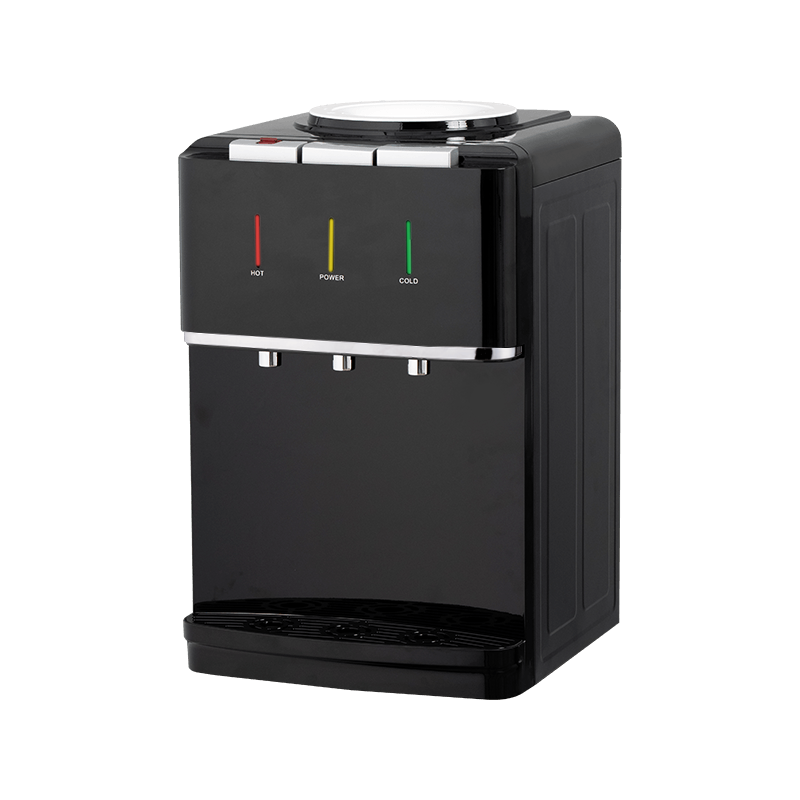
Hydration serves as the foundation of personal health and professional productivity. In modern living environments and busy workplace settings, accessing clean and temperature controlled drinking water is an essential requirement. Among the various hydration solutions available, the vertical water dispenser has established itself as the most reliable and efficient appliance for daily consumption. Unlike small desktop alternatives that may lack capacity or stability, these floor standing units provide a robust solution for high traffic areas. Understanding the technical merits and practical benefits of these appliances is crucial for anyone looking to optimize their water intake habits.
Understanding the Engineering and Operational Principles of Vertical Water Dispensers
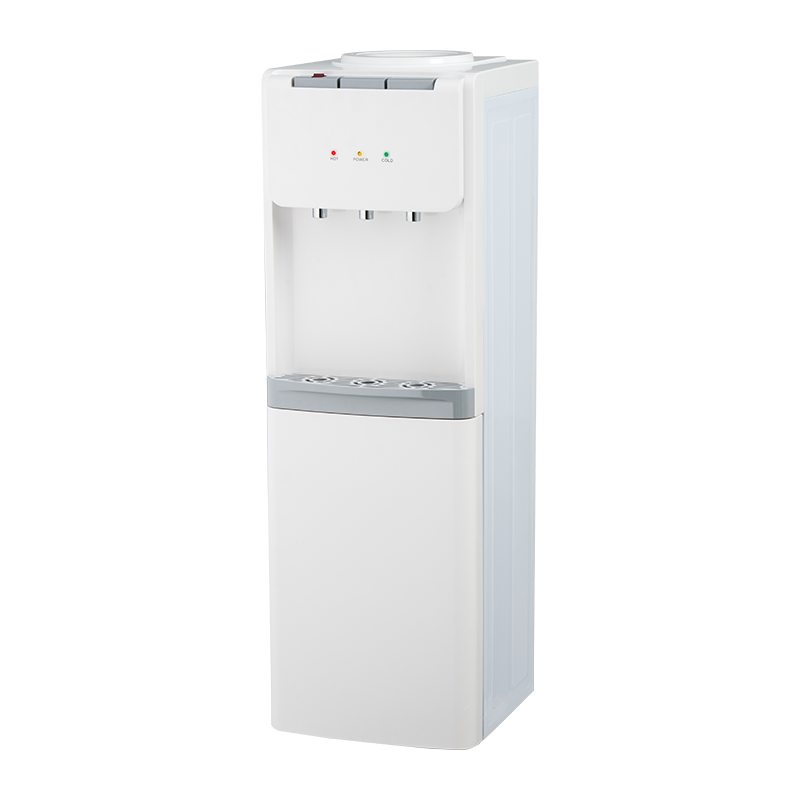
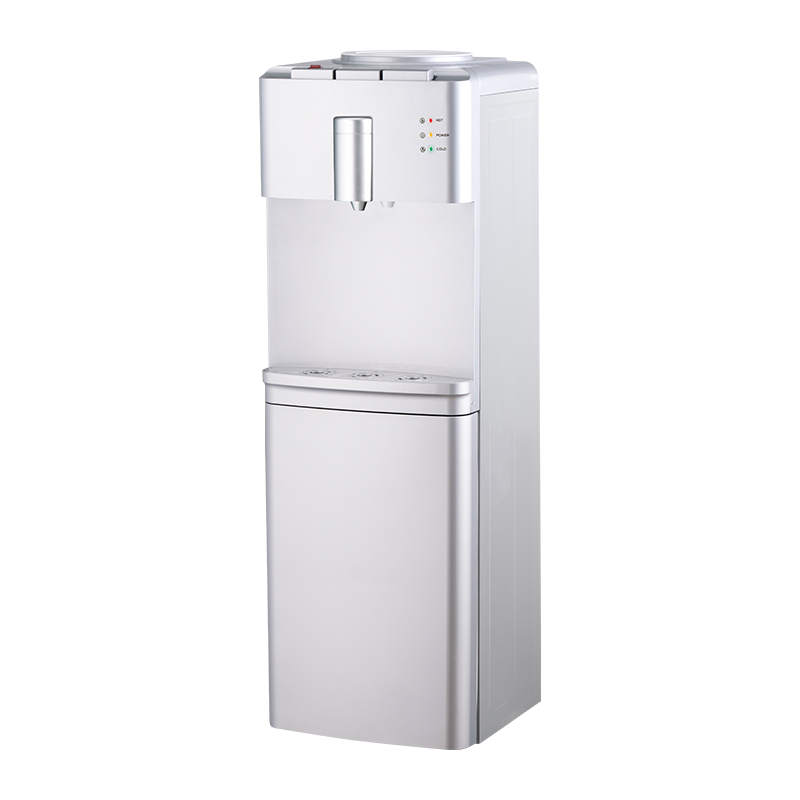
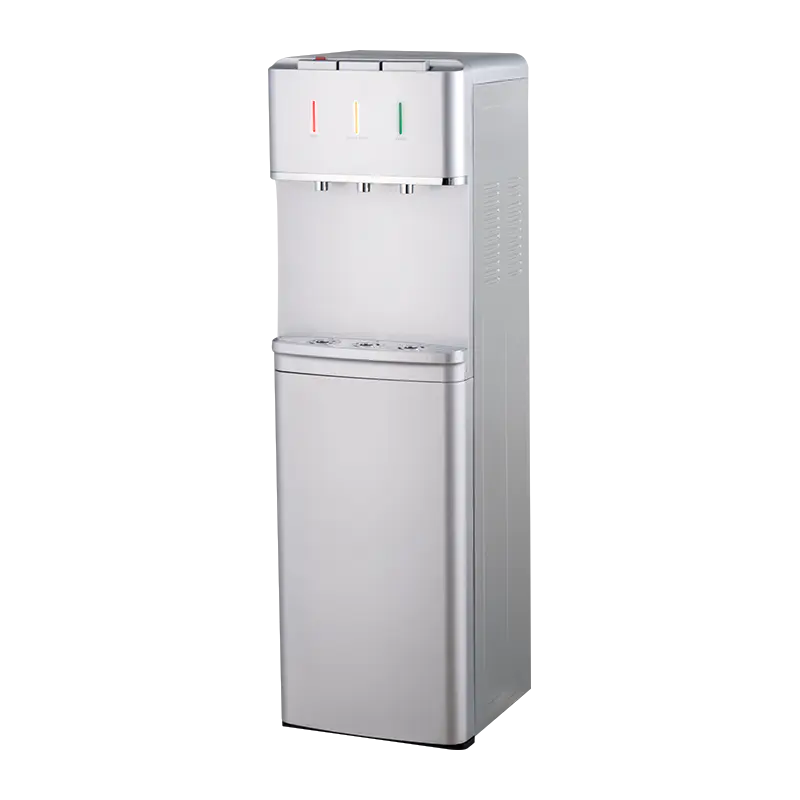
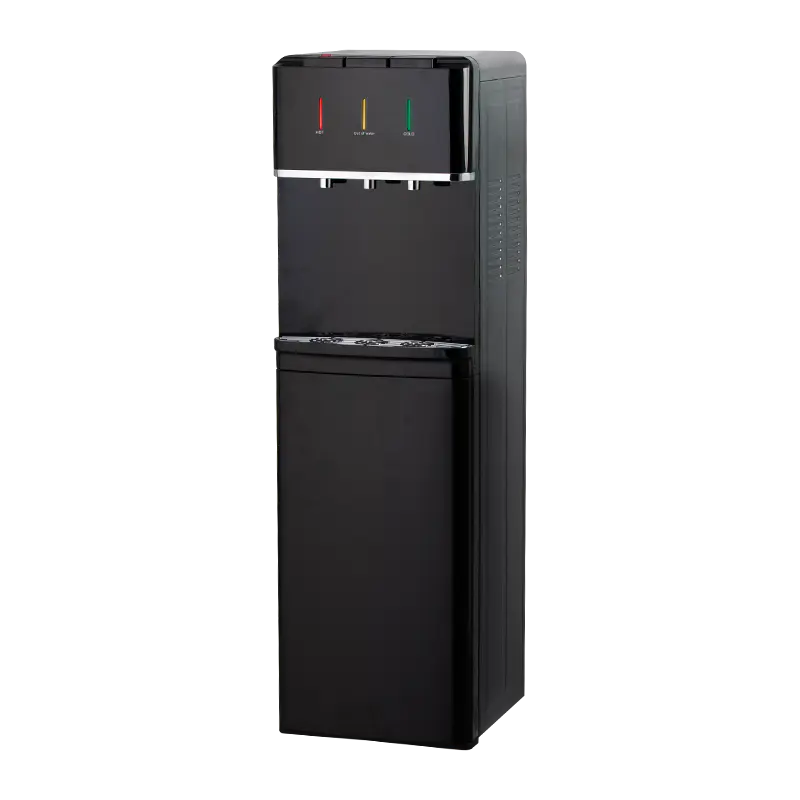
The core function of a vertical water dispenser relies on a precise combination of cooling and heating systems integrated into a stable floor standing housing. At the structural heart of these devices lies a high efficiency compressor that mimics the technology found in household refrigerators. This compressor circulates a refrigerant through evaporator coils to lower the temperature of the water reservoir rapidly. The efficiency of this process ensures that users can access chilled water even in high ambient temperatures, which is particularly beneficial during summer months.
The heating mechanism is equally sophisticated. It utilizes a stainless steel hot water tank equipped with a thermal heating element. This element is controlled by sensitive thermostats that maintain water at optimal temperatures for brewing tea or instant coffee. Safety is integrated into the design through thermal fuses that prevent overheating, ensuring that the appliance remains safe for continuous operation in both residential and commercial spaces. The combination of these two systems within a vertical housing allows for a compact footprint, making the appliance suitable for corners or narrow hallways where space management is a primary concern.
The Superior Ergonomics and Spatial Efficiency of Floor Standing Models
One of the primary advantages of selecting a vertical unit is the ergonomic height of the dispense point. Users do not need to bend or strain their backs to fill a bottle or a glass, as the faucet is positioned at a natural standing level. This accessibility makes the appliance suitable for a wide range of individuals, including children and those with limited mobility. The stability provided by the floor standing design ensures that the unit remains stationary even when users apply force while filling heavy containers.
Furthermore, the vertical orientation maximizes the utilization of floor space. While desktop models consume valuable surface area on kitchen counters or office desks, vertical water dispensers occupy a negligible amount of ground area. This spatial efficiency is particularly appreciated in compact office breakrooms where every square inch of counter space is needed for food preparation or kitchen equipment. The sleek profile of these units also allows them to blend seamlessly into modern interior designs, whether in a minimalist apartment or a professional corporate environment.
Assessing the Filtration and Water Quality Advantages
The quality of the water consumed depends heavily on the filtration system employed by the dispenser. High quality vertical units are often paired with advanced multistage filtration systems that remove impurities, chlorine, and sediment. These systems frequently incorporate sediment filters to capture large particles, followed by carbon block filters that eliminate organic contaminants and improve the taste of the water. Some premium models include ultrafiltration or reverse osmosis technology, which provides a level of purity comparable to bottled water without the associated plastic waste.
Maintaining consistent water quality requires periodic replacement of these filtration cartridges. Most modern vertical dispensers feature a modular design that allows for easy filter access and replacement without the need for specialized tools. This convenience encourages users to adhere to a regular maintenance schedule, ensuring that the water dispensed is always clean and safe. The integration of filtration systems directly into the water path prevents re-contamination, a risk often associated with manual water pouring or traditional gravity based dispensers.
|
Component Feature |
Benefit for Users |
Maintenance Requirement |
|---|---|---|
|
High Efficiency Compressor |
Rapid cooling and consistent chilled water |
Periodic dust removal from coils |
|
Stainless Steel Hot Tank |
Superior durability and heat retention |
Descaling annually |
|
Multistage Filtration |
Significant improvement in water taste |
Replacement every six months |
|
Stability Base Design |
Prevents accidental tipping and spills |
None required |
Maximizing Operational Efficiency and Energy Conservation
Modern vertical water dispensers are designed with energy conservation in mind. Many models now incorporate advanced insulation materials such as high density polyurethane foam surrounding the hot and cold reservoirs. This insulation significantly reduces heat transfer, allowing the heating and cooling elements to operate less frequently. Consequently, the appliance maintains water temperature for longer periods, leading to lower electricity consumption over time.
Additionally, many units feature programmable energy saving modes. These settings allow users to deactivate the heating or cooling functions during periods of inactivity, such as overnight or during weekends. By automating these power management tasks, businesses can significantly reduce their facility overhead costs while homeowners benefit from smaller monthly utility bills. The development of smart sensors that detect ambient light or motion further enhances these energy saving capabilities, ensuring that the dispenser only consumes power when it is actually needed by the occupants of the room.
Optimal Placement Strategies for Home and Office Integration
The placement of your vertical water dispenser influences both the frequency of use and the overall flow of movement in your space. In an office setting, placing the unit in a central location within the breakroom or a shared corridor ensures easy access for all staff members. It is important to ensure that there is sufficient ventilation clearance around the back of the unit, as the compressor requires adequate airflow to dissipate heat effectively. Placing the unit too close to a wall or enclosed in a narrow cabinet can restrict this airflow and lead to decreased cooling performance.
In a domestic setting, the kitchen or the living area are the most logical locations. For those who frequently host guests, positioning the unit near a seating area can enhance hospitality, allowing guests to serve themselves refreshing drinks without intruding into the main kitchen work zone. Regardless of the chosen location, ensuring proximity to a standard electrical outlet is essential. Avoid using extension cords, as high power appliances like water dispensers should be connected directly to a wall socket to minimize electrical resistance and fire risk.
Addressing Daily Maintenance and Sanitation Protocols
Regular cleaning is the most important practice for ensuring the longevity of a vertical water dispenser. The external housing can be wiped down with a soft damp cloth to remove dust and fingerprints, preserving the aesthetic appeal of the appliance. The drip tray, which collects excess water during dispense cycles, should be removed and cleaned weekly to prevent bacterial growth and mold formation. Stagnant water in the tray can lead to unpleasant odors and poor hygiene, so keeping this area dry and sanitized is critical.
Internal sanitation involves cleaning the reservoirs and the tubing that connects the water supply to the faucet. If you utilize a bottled water system, ensure that the bottle neck is cleaned before being placed on the unit to prevent debris from entering the internal system. For plumbed in models, periodic flushing of the lines with an approved cleaning solution ensures that the internal pathways remain clear of mineral deposits. By following these straightforward sanitation procedures, you protect the internal components from mechanical failure while ensuring that the water quality remains at its highest standard throughout the lifespan of the equipment.
Solving Common Troubleshooting Issues for Reliable Performance
Even with robust design, users may occasionally encounter minor operational challenges. One common issue is a decrease in water flow. This is frequently caused by a blockage in the filtration system or the accumulation of air bubbles within the lines. If the flow is slow, begin by inspecting the filter to see if it requires replacement. If the filter is new, try priming the system by dispensing water continuously for several minutes to allow trapped air to escape the internal plumbing.
Another concern is the presence of unusual noises during the cooling cycle. While a quiet hum is normal for a compressor driven unit, louder rattling sounds may indicate that the dispenser is not sitting level on the floor. Adjusting the feet of the unit until it is perfectly stable can resolve this issue quickly. If the water does not reach the desired cold or hot temperature, ensure that the power cord is securely plugged in and check that the independent switches for the heating and cooling functions are toggled to the correct position. Most issues with a vertical water dispenser are easily rectifiable and rarely necessitate a total replacement of the equipment.
Evaluating Customization Features for Specific Hydration Needs
The versatility of modern vertical water dispensers allows for customization based on specific usage environments. Some users may prefer models that offer additional water temperatures, such as ambient or room temperature water. These models are ideal for people who prefer not to drink excessively cold water or for mixing infant formula where specific temperature control is required. Furthermore, safety features such as child locks on the hot water faucet are essential for families with small children, preventing accidental burns and ensuring peace of mind.
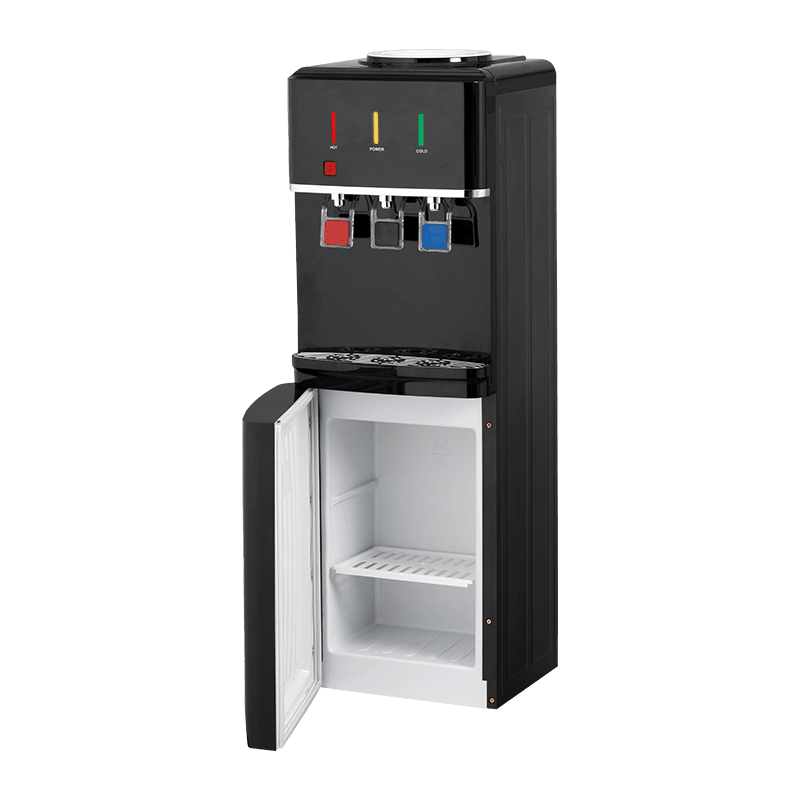
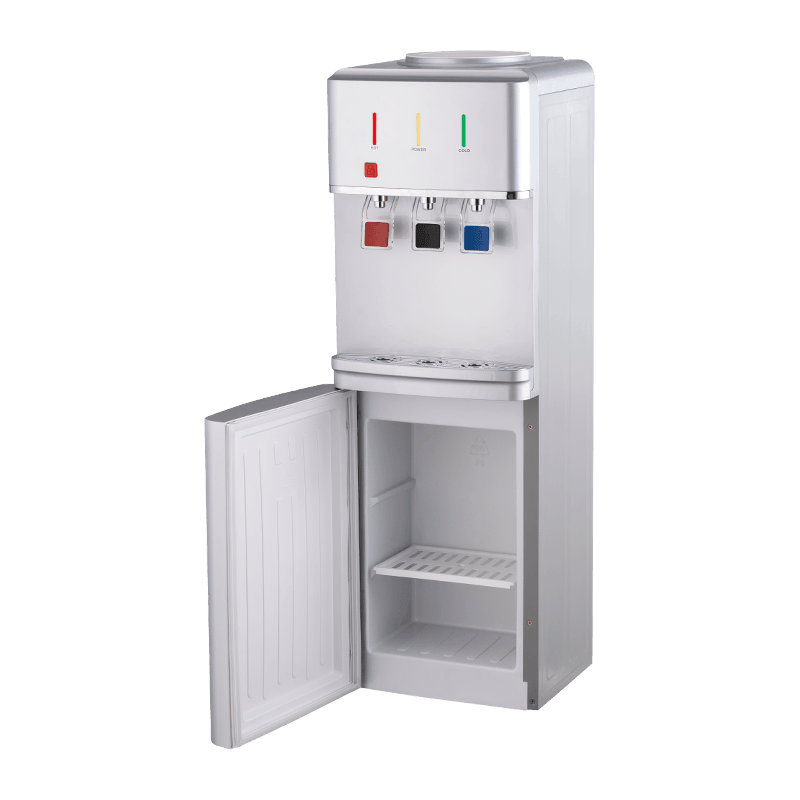
For office managers, models that include a cup dispenser attachment can further streamline the breakroom experience. Having disposable cups conveniently located on the side of the unit eliminates the need for separate storage, keeping the area tidy and organized. Some advanced units even include built in refrigeration compartments at the base, which serve as mini fridges for keeping small quantities of creamer, fruit, or light snacks for staff. Evaluating these extra features against the specific requirements of your household or office will ensure that you select a vertical water dispenser that provides the highest level of functional value.