English
 Español
 عربى
عربى 中文简体
中文简体

What Is a Bottom-Mounted Water Dispenser and How Does It Work?
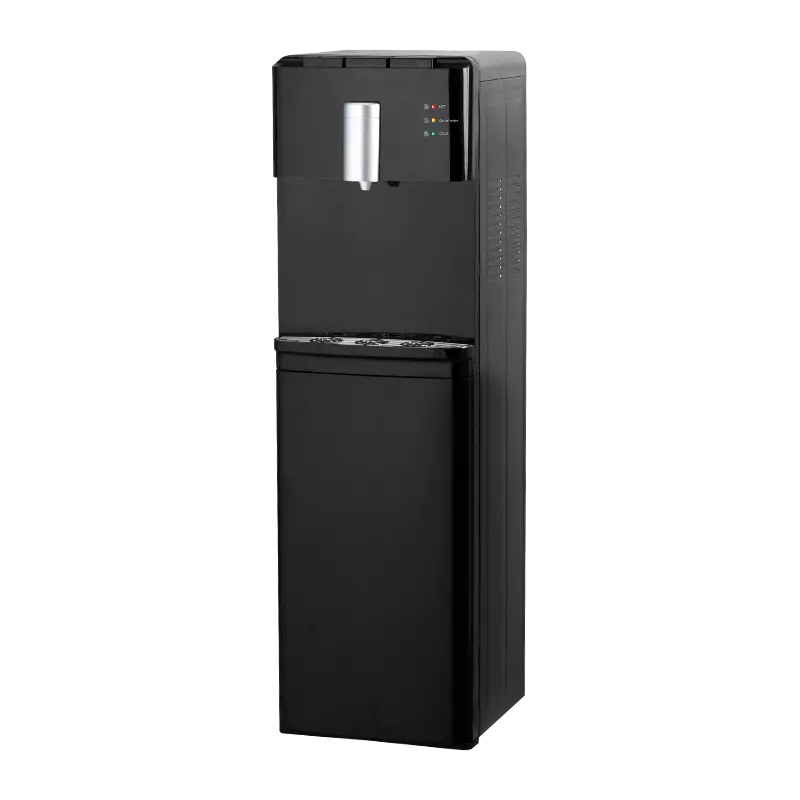
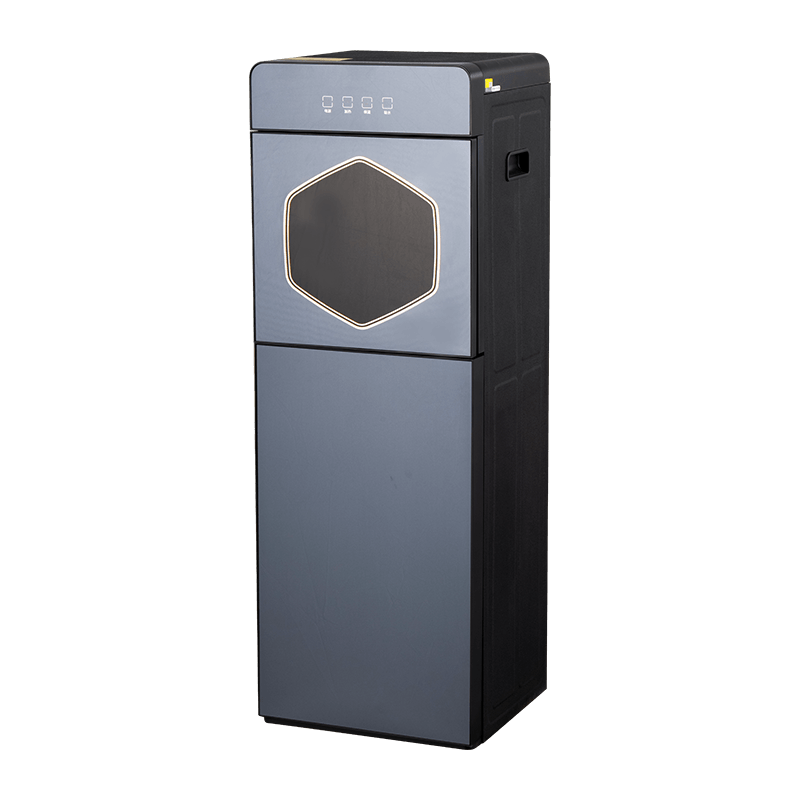
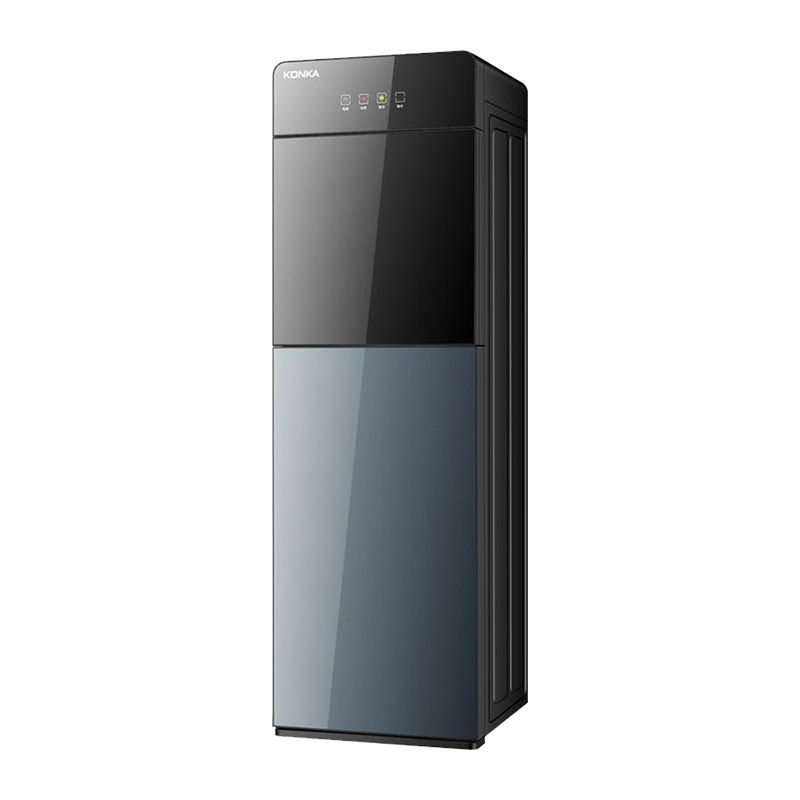
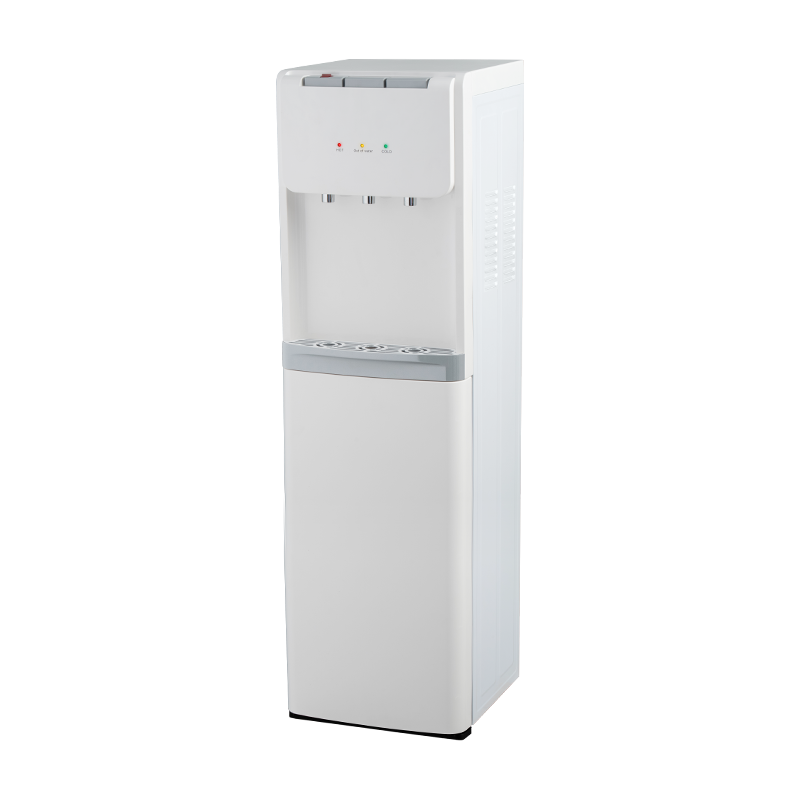
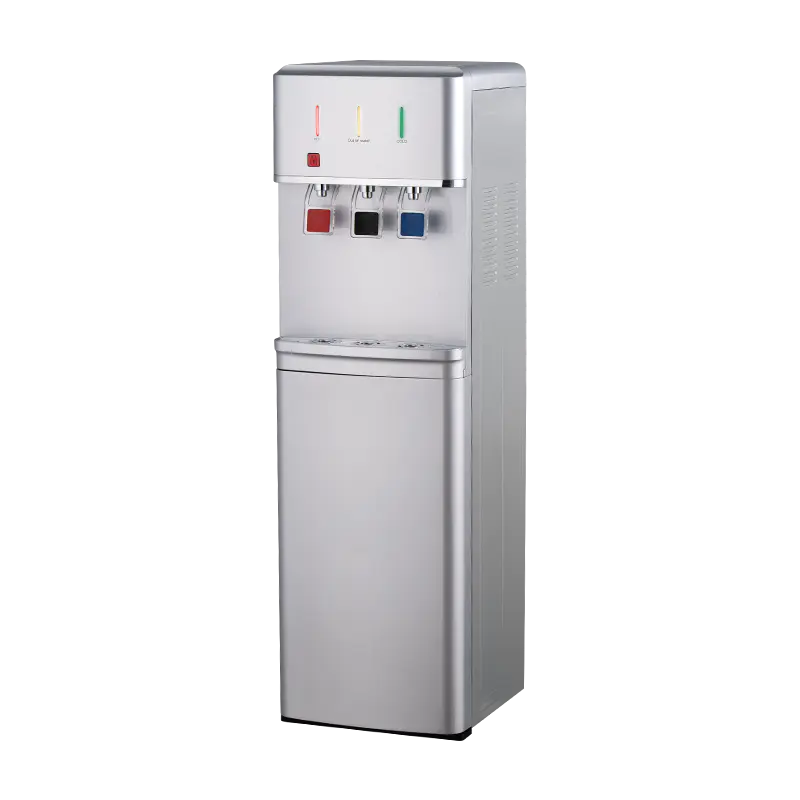
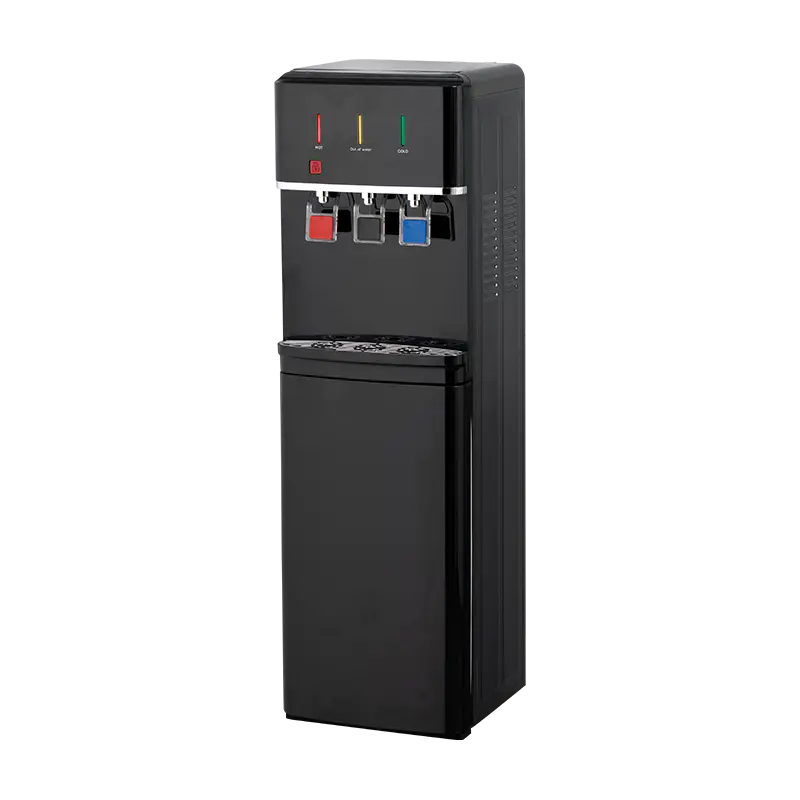
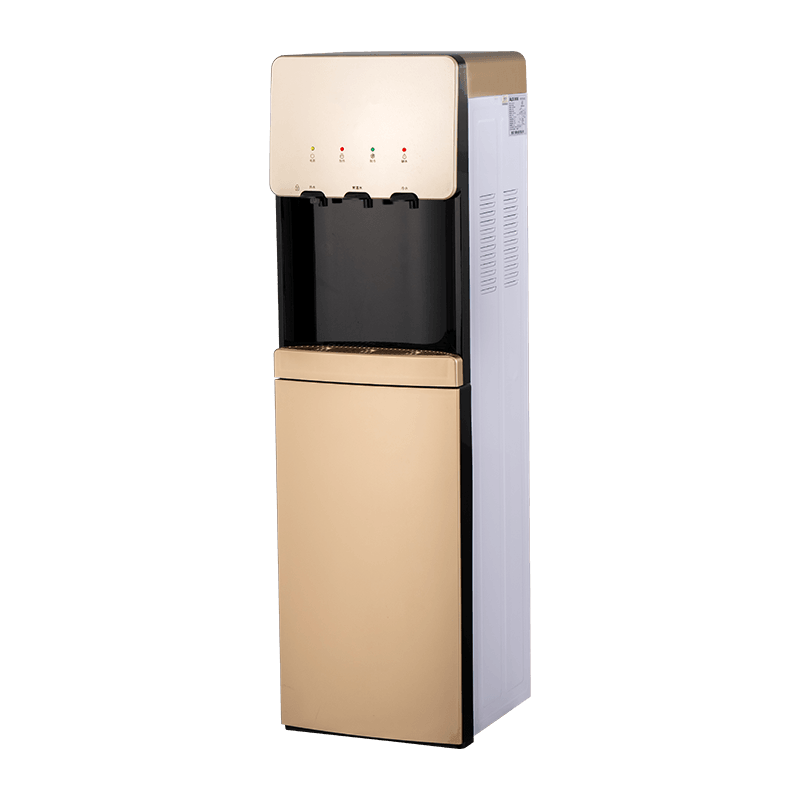
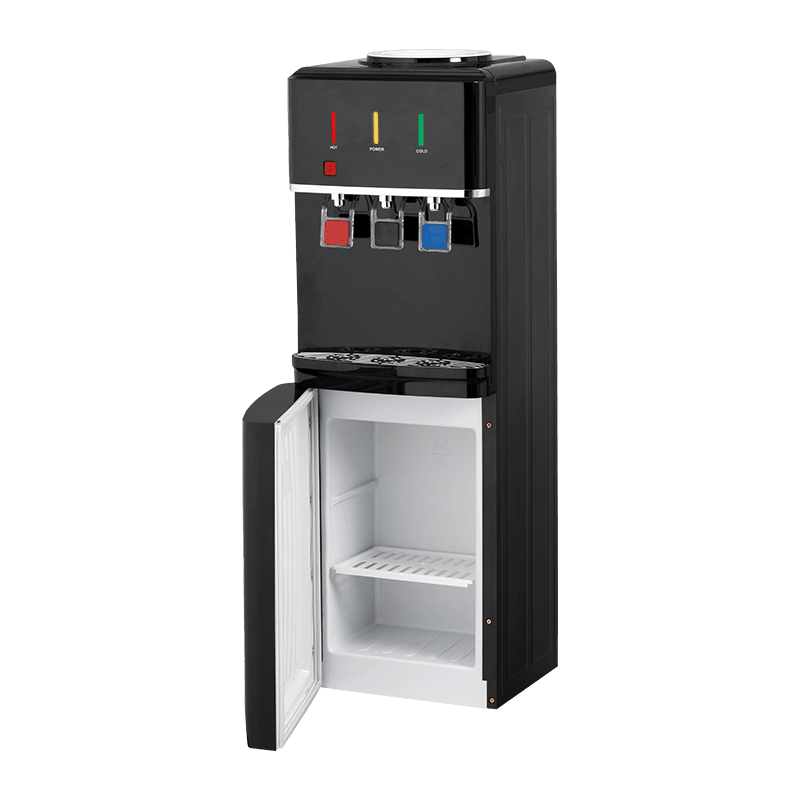
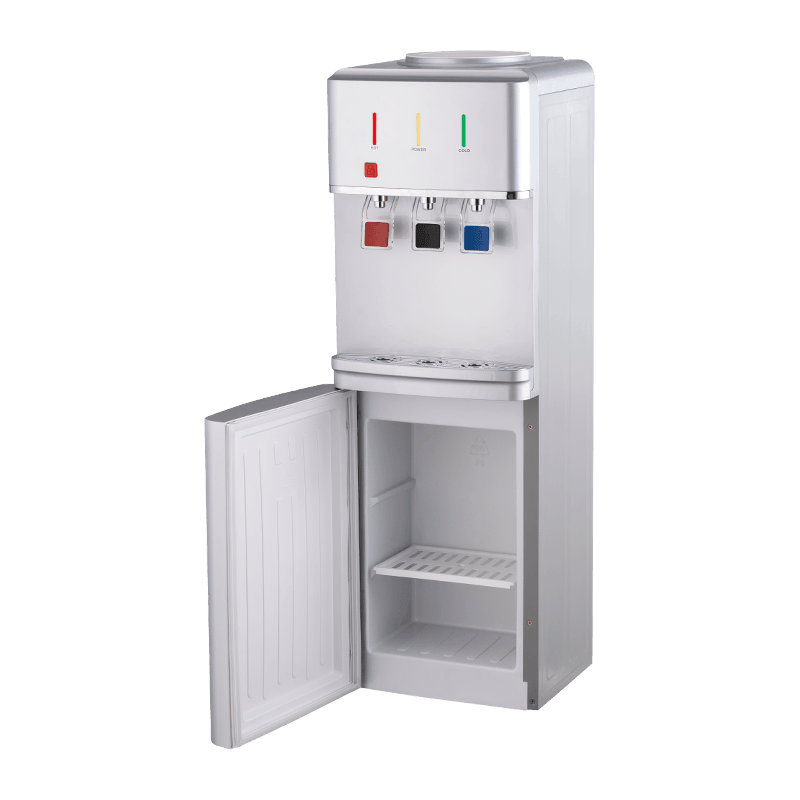
A bottom-mounted water dispenser keeps the water bottle hidden inside a lower cabinet, typically behind a small door. When you place a 3- or 5-gallon bottle into this compartment, a water intake tube—also known as a siphon tube or straw—is inserted into the bottle. A small electric pump then draws water upward into the internal reservoir tanks, where it is either heated or cooled before being dispensed through spouts on the top panel.
This design was developed specifically to solve the lifting issues associated with top-loading models, making hydration accessible to people of all ages and physical abilities. Most bottom load water dispensers come with three temperature options: hot water (typically around 185–195°F for tea, coffee, and instant soups), cold water (chilled by a compressor), and room-temperature water for everyday drinking without temperature extremes.
Beyond convenience, these units often feature modern touches such as LED display panels, child safety locks, empty bottle alerts, and even self-cleaning cycles.
Bottom-Mounted vs. Top-Loading Water Dispenser: Which Is Right for You?
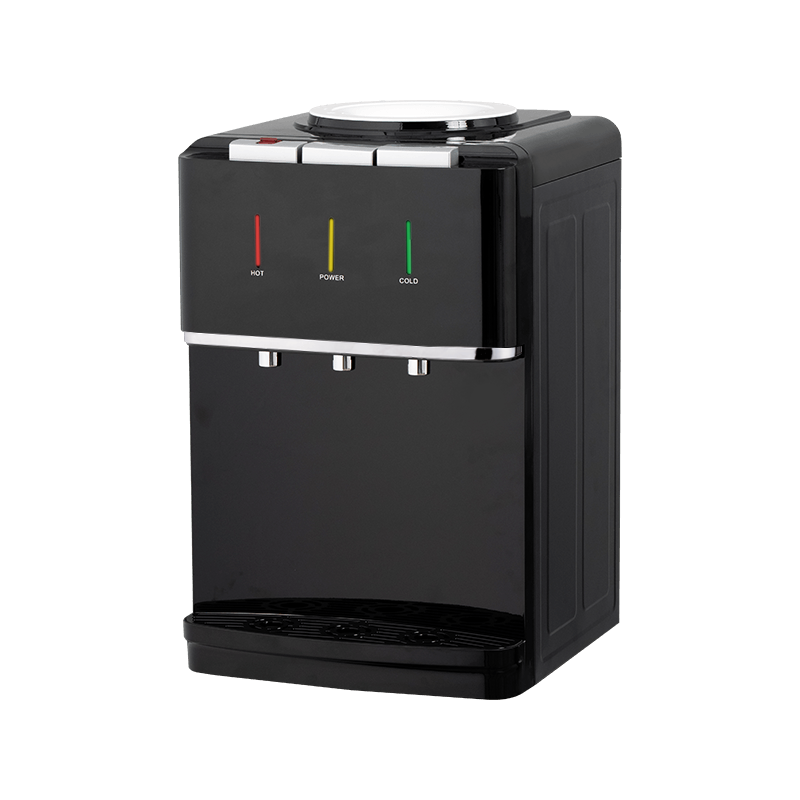
If you‘re shopping for a new water dispenser, you‘ll inevitably face the classic dilemma: bottom load vs top load. Let’s break down the key differences side by side.
1. Physical Effort and Safety
The most obvious difference is the physical demand required to change the water bottle. A full 5-gallon water bottle weighs approximately 41.5 to 44 pounds (18.9–20 kg). Lifting that weight above shoulder height to invert it onto a top-loading dispenser poses a serious risk of back strain, muscle injury, or dropping the bottle and causing a spill.
A bottom-mounted water dispenser eliminates this entirely. You simply open the cabinet door and slide the bottle in—no lifting required. For seniors, individuals with back problems, busy parents, or office workers who frequently change bottles, this ergonomic advantage alone makes the bottom-loading design worth the investment.
2. Aesthetics and Space Utilization
Traditional top-loading dispensers leave the bulky water bottle exposed, which can look cluttered and industrial. By contrast, a bottom-mounted water dispenser conceals the bottle inside a sleek cabinet, creating a clean, modern appearance that blends seamlessly with any home or office décor. Additionally, the flat top surface of a bottom-loading unit can be used as practical counter space.
3. Price Comparison
Cost is an important consideration. Top-loading water dispensers typically start around $60–$100 for basic hot/cold models. However, bottom-mounted water dispensers begin at roughly $150 and can reach $400–$500 for premium units with advanced features. While the upfront cost is higher, many users find the convenience and safety benefits well worth the premium. Plus, bottom-mounted water dispensers often come with Energy Star certifications, helping offset operating costs through energy efficiency.
4. Maintenance and Cleaning Complexity
One area where top-loading dispensers have an advantage is maintenance simplicity. Bottom-mounted water dispensers employ more water-contact components—including the pump, intake tube, and internal tubing—making them slightly more difficult to sanitize thoroughly compared to top-loading units. However, with a regular cleaning routine (typically every 6 months), you can keep your dispenser hygienic and functioning properly. Many modern models even offer self-cleaning features using ozone technology.
The Top Benefits of Owning a Bottom-Mounted Water Dispenser
1. No Heavy Lifting—Accessible to Everyone
Whether you’re a senior living independently, someone recovering from a back injury, a busy parent, or an office manager, the ease of loading a bottom-mounted water dispenser is transformative. The water bottle sits safely on the floor inside the cabinet, and the pump does all the work.
2. Reduced Risk of Spills and Water Damage
Because the bottle stays upright and never needs to be inverted, spills during bottle changes are a thing of the past.
3. Cleaner, More Hygienic Water Access
When a water bottle is inverted on a top-loading dispenser, air bubbles travel up through the water, potentially introducing contaminants. Bottom-loading systems draw water from the bottom using a tube, minimizing air exposure and maintaining cleaner water quality. Many premium bottom-mounted water dispensers feature antimicrobial coatings and stainless steel internal tanks.
4. Versatile Temperature Options for Every Need
Most bottom-mounted water dispensers offer three temperature settings: hot (perfect for tea, coffee, instant noodles), cold (refreshing chilled water), and room-temperature (ideal for babies‘ formula). This makes a bottom-mounted water dispenser an all-in-one hydration station.
5. Energy Efficiency and Cost Savings
Many bottom-loading water coolers are Energy Star certified. The Primo Pro-Plus Bottom-Load Hot and Cold Water Dispenser, for example, uses minimal electricity while providing on-demand water. Some models feature patented energy-saving kettle technology that uses up to 78% less energy than traditional dispensers.
6. Child Safety Features Are Standard
Virtually all bottom-mounted water dispensers come equipped with child safety locks on the hot water spout, requiring a two-step action to prevent accidental scalding. Some models go further with dual child safety locks.
7. Sleek, Modern Aesthetic
Bottom-mounted water dispensers feature contemporary stainless steel finishes, clean lines, and LED indicator lights that elevate the look of any kitchen, living room, or workplace. The concealed bottle design creates a minimal, uncluttered appearance.
Potential Drawbacks of Bottom-Mounted Water Dispensers (Honest Pros and Cons)
1. Higher Upfront Cost
As noted, bottom-mounted water dispensers cost more than top-loading models—typically $150 to $500 vs $60–$100 for basic top-loaders. However, the ergonomic benefits often justify the expense.
2. More Internal Components, More Potential Issues
The pump and intake tube add complexity. If the pump fails or the tube becomes clogged, troubleshooting may require more effort. Some users report humming or banging noises, though experiences vary by brand.
3. Slightly Louder Operation
Because bottom-mounted water dispensers rely on a pump, they can produce a soft humming or whirring sound when dispensing. Many modern units are very quiet, but it’s wise to read user reviews regarding noise levels.
4. Cleaning Takes More Attention
Additional tubing and water-contact parts make thorough sanitization slightly more involved. But with a proper cleaning schedule every 6 months, this is a manageable task.
How to Choose the Best Bottom-Mounted Water Dispenser for Your Needs
Ready to buy? Here’s what to look for when comparing bottom-mounted water dispensers.
- Temperature options & performance: Look for 400–500W heating elements, compressor-based cooling for colder water, and a reliable child safety lock.
- Water bottle compatibility: Most accept standard 3-gallon and 5-gallon jugs; verify cabinet height.
- Self-cleaning & maintenance: Ozone or automated cleaning cycles reduce manual cleaning frequency.
- Child safety lock: Non-negotiable if children are present. Prefer two-step activation.
- Energy efficiency: Energy Star certification and separate on/off switches for hot/cold functions.
- Empty bottle alert: LED indicator that illuminates when the bottle needs replacement.
- Drip tray: Removable, dishwasher-safe tray that accommodates tall mugs.
How to Clean and Maintain Your Bottom-Mounted Water Dispenser
Proper maintenance extends the life of your dispenser and ensures your water stays fresh and safe. Follow this step-by-step guide every 3 to 6 months.
Step 1: Prepare for Cleaning
Unplug the dispenser. Remove the water bottle and dispose of any remaining water. Turn off both the hot and cold switches.
Step 2: Drain the Internal Reservoirs
Open the drain valve or plug located at the back of the unit and allow 3–5 liters of water to drain out completely.
Step 3: Mix Your Cleaning Solution
Use either: (a) 2 tablespoons unscented bleach with 2 gallons hot water, (b) 2 cups white vinegar with 2 gallons hot water, or (c) warm water with a small amount of dish soap.
Step 4: Run the Solution Through the Dispenser
Pour the solution into the bottom compartment where the bottle would sit. Run it through the hot and cold spouts until internal tanks are emptied. Let the solution sit inside for 10–15 minutes.
Step 5: Rinse Thoroughly
Fill the bottom compartment with fresh, clean water and run it through both spouts until all traces of cleaning agents are removed. Repeat 2–3 times if necessary.
Step 6: Clean the Intake Tube and External Surfaces
The intake tube should be soaked in a warm water and vinegar solution for 15 minutes, then rinsed thoroughly. For external surfaces, use a soft cloth with warm water.
Step 7: Reassemble and Sanitize
Reattach all components, insert a fresh 5-gallon water bottle, and run water through both spouts for 1–2 minutes to flush any remaining solution.
Troubleshooting Common Bottom-Mounted Water Dispenser Problems
Problem 1: No Water Dispensing
Check the bottom-loading door is securely closed, ensure the water bottle is not empty, unplug the dispenser for 5–10 minutes to reset, and verify the water pump is properly attached.
Problem 2: Water Is Not Hot or Cold Enough
Make sure the heating/cooling switch on the back is “On”, allow time to reach temperature (heating 10–15 min, cooling 1–2 hours), ensure the unit is level and has adequate ventilation.
Problem 3: Unusual Noises (Humming, Banging, or Rattling)
Some noise is normal. However, excessive noise may indicate an overworked compressor, clogged line, or loose components. If cleaning doesn’t help, contact the manufacturer.
Problem 4: Water Leaking
Check that the water bottle is seated properly, inspect the intake tube for cracks, ensure the drain valve is closed, and empty the drip tray if overflowing.
Top Bottom-Mounted Water Dispenser Brands and Models for 2026
Based on customer reviews and expert analysis, these brands consistently deliver quality bottom-mounted water dispensers.
- Avalon: Avalon A4 Self-Cleaning Bottom Loading Cooler features BioGuard antimicrobial coating, three temperature settings, and a sleek stainless steel design.
- Brio: Brio CLBL720SC includes self-cleaning, child safety lock, LED display, and quiet operation.
- Primo: Primo Stainless Steel Bottom Loading Dispenser is known for quiet performance, easy cleaning, and Energy Star certification.
- Tehanld: Budget-friendly with hot, room, and cold water options; praised for quiet operation.
Is a Bottom-Mounted Water Dispenser Worth the Investment?
After evaluating all the benefits, costs, and potential drawbacks, the answer depends on your specific needs. A bottom-mounted water dispenser is absolutely worth the investment if you have difficulty lifting heavy objects, want a modern aesthetic, prioritize child safety, or are willing to invest more for ergonomic comfort. For most families and offices, the elimination of heavy lifting alone justifies the higher price.
Frequently Asked Questions (FAQ)
Basic bottom-loading models start around $150, while premium units with self-cleaning functions or touchless dispensing can cost $400–$500. Top-loaders are cheaper ($60–$100), but the convenience of bottom-loading often justifies the price.
For optimal water quality, clean your dispenser every 6 months. If you live in a hard-water area or notice a decline in taste or flow rate, increase to every 3 months.
Most modern bottom-mounted water dispensers operate quietly, though you may hear a soft hum from the compressor or a brief whir from the pump. Some budget models may be louder, so check user reviews regarding noise levels.
Energy Star-certified units are designed for efficiency. Typical models use ~85W for cooling and 400–500W for heating. To save energy, turn off the hot water function when not in use. Some models feature energy-saving kettle technology that uses up to 78% less energy.
Yes, most bottom-mounted water dispensers accept standard 3-gallon and 5-gallon water bottles. Always check the product specifications for cabinet height and depth to be sure.
A full 5-gallon water bottle weighs approximately 42–44 pounds (19–20 kg). The water alone is about 41.7 lbs. This is why bottom-loading’s no-lift design is such a significant ergonomic improvement.
Absolutely. Bottled water delivery services provide standard 3- or 5-gallon jugs that are fully compatible with bottom-mounted water dispensers. You simply slide the bottle into the bottom cabinet.
With proper maintenance, a quality bottom-mounted water dispenser should last 5–10 years. Premium brands like Avalon, Brio, and Primo are known for durable components and often offer 1-year warranties with 5-year compressor warranties.
Yes—they are safer than top-loading models in multiple ways. The hot water spout has a two-step child safety lock, and the heavy bottle is stored in a secure bottom cabinet, preventing accidental tipping.
Yes, hot water is available within seconds after the internal tank is heated. Initial heat-up after plugging in takes 10–15 minutes. Some models deliver hot water in under three minutes from a cold start thanks to energy-saving kettle technology.