English
 Español
 عربى
عربى 中文简体
中文简体

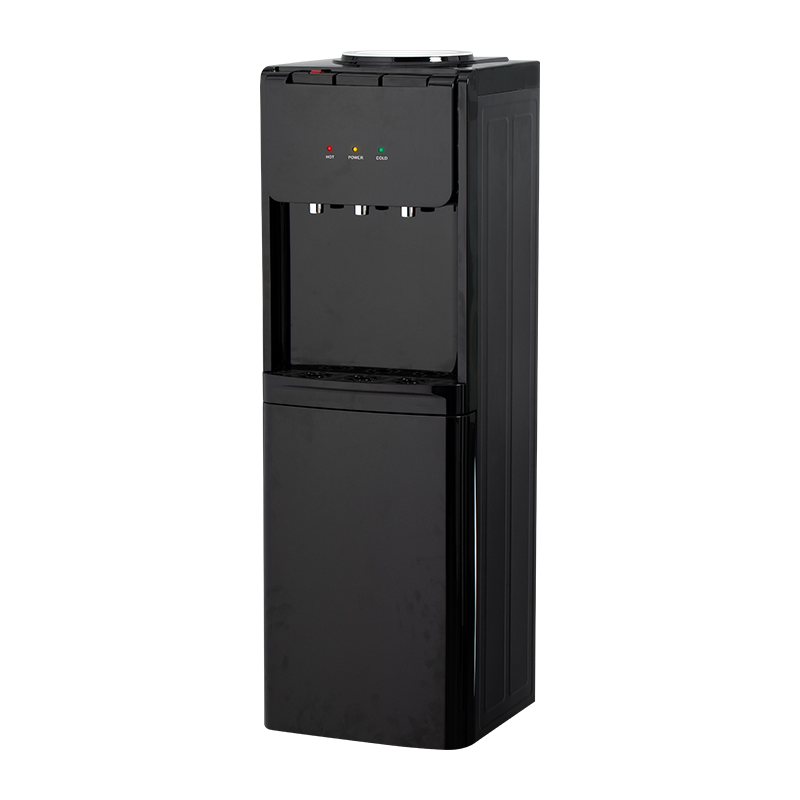
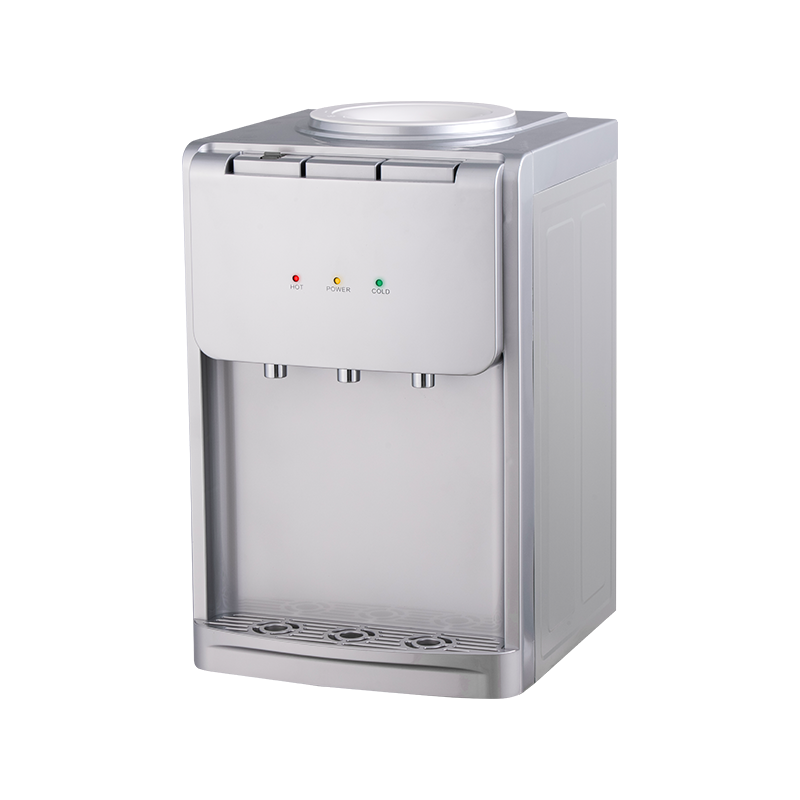
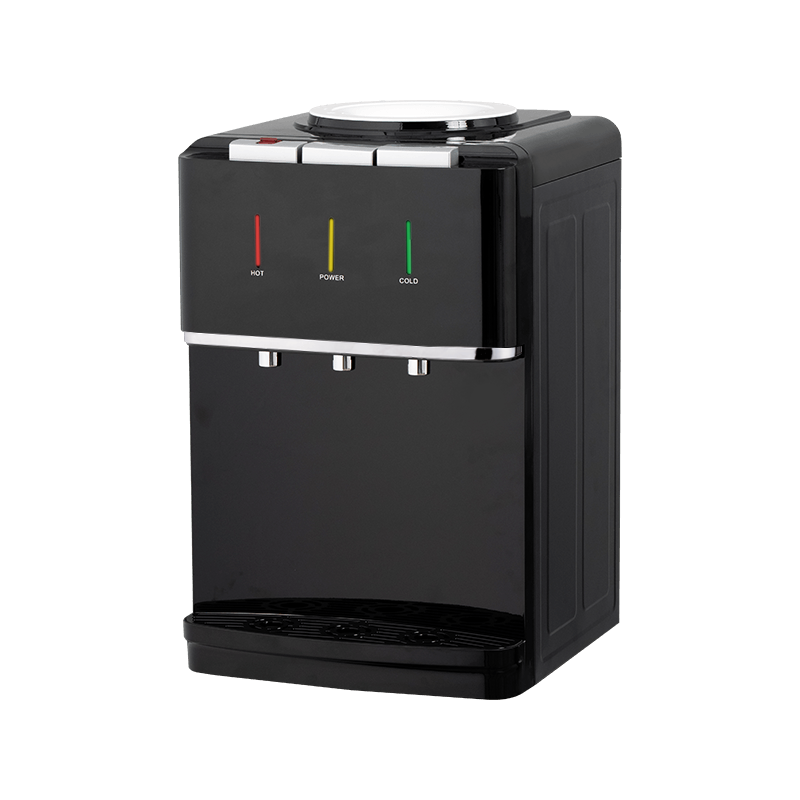
The fundamental requirement for consistent access to clean and temperature controlled drinking water has made the vertical water dispenser a cornerstone of both residential and commercial interior design. As hydration remains a primary pillar of human health and productivity, the evolution of these floor standing units has moved beyond simple utility to encompass advanced engineering, aesthetic integration, and energy efficiency. Unlike smaller countertop alternatives, the vertical water dispenser is designed to handle high volumes of water consumption while providing the structural stability necessary for heavy duty use. This article explores the intricate mechanical systems, ergonomic advantages, and hygiene protocols that define the modern vertical water dispenser, explaining why it remains the most reliable choice for homes, offices, and industrial facilities.
The Internal Mechanics and Thermal Engineering of Vertical Water Dispenser Units
To appreciate the reliability of a high quality vertical water dispenser, one must understand the complex internal systems that allow it to provide near instantaneous hot and cold water. These machines are far more than just reservoirs; they are active thermal management systems that utilize precise mechanical cycles to maintain water at specific temperatures. The efficiency of these cycles determines the energy consumption of the unit and the consistency of the water temperature delivered to the user.
High Performance Cooling Systems and Compressor Technology
Most professional grade vertical water dispenser models utilize a compressor based cooling system, which operates on the same principles as a standard refrigerator. A refrigerant gas is compressed and then allowed to expand, absorbing heat from the water inside the cold tank. This method is significantly more powerful than thermoelectric cooling, as it can lower the water temperature to below ten degrees Celsius even in environments with high ambient heat.
The cooling reservoir is typically constructed from high grade stainless steel to prevent metallic leaching and ensure that the water retains a neutral taste. The size of this tank is a critical engineering factor; a larger tank allows for a greater volume of cold water to be available during peak usage times, such as lunchtime in a busy office. By using high density polyurethane insulation around the tank, manufacturers can minimize thermal loss, ensuring that the compressor does not need to run constantly, which extends the lifespan of the motor and reduces electricity costs.
Heating Systems and Internal Reservoir Safety
The heating function of a vertical water dispenser relies on a separate internal reservoir equipped with a powerful heating element. This element is designed to bring the water to temperatures approaching ninety five degrees Celsius, which is optimal for brewing tea, coffee, or preparing instant soups. Because the heating process occurs within a sealed environment, the risk of external contamination is minimized.
Advanced models utilize a wrap around heating element rather than an immersion heater. This design prevents mineral buildup directly on the heating coil, which is a common cause of mechanical failure in areas with hard water. The thermal sensors inside the unit are calibrated to maintain a steady temperature range, automatically activating the heater when the water temperature drops below a certain threshold. This constant readiness is a primary reason why users prefer a dedicated vertical water dispenser over a traditional kettle, as it eliminates the waiting time associated with boiling water manually.
Comparing Ergonomic Designs in Bottom Loading and Top Loading Models
The physical configuration of a vertical water dispenser has a massive impact on the user experience and the ease of maintenance. While the traditional top loading design has been the industry standard for decades, the rise of bottom loading technology has addressed many of the physical challenges associated with managing large water bottles. Each design has its own structural logic and practical benefits depending on the intended environment.
The Mechanical Complexity and Ease of Bottom Loading Systems
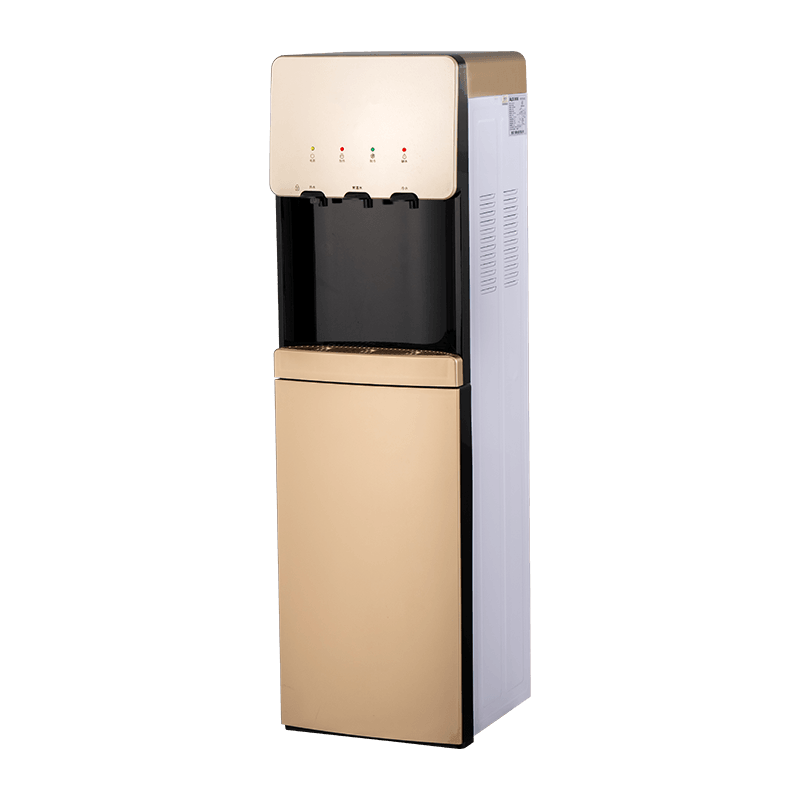
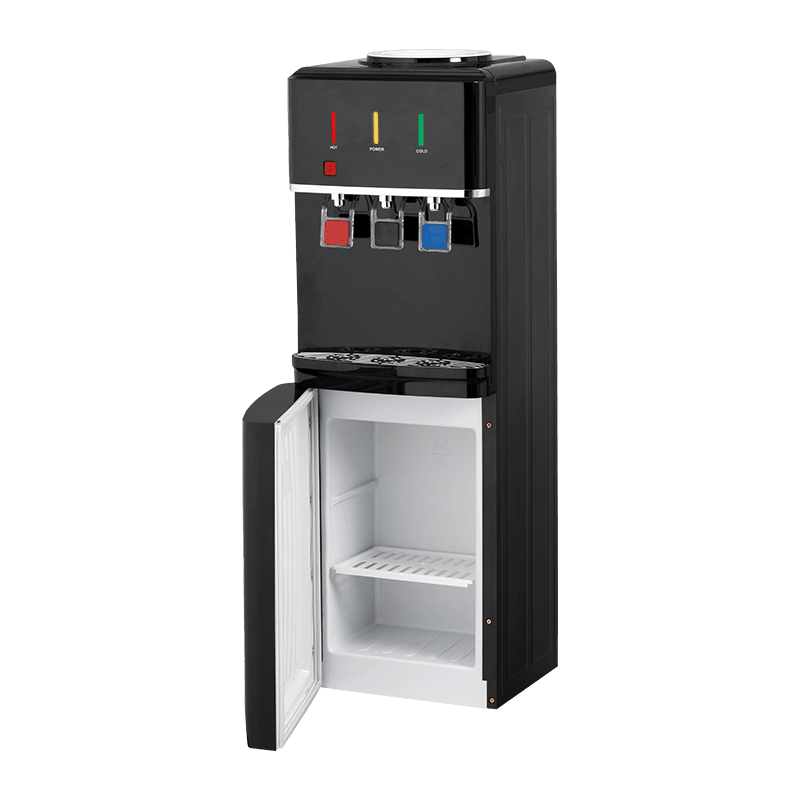
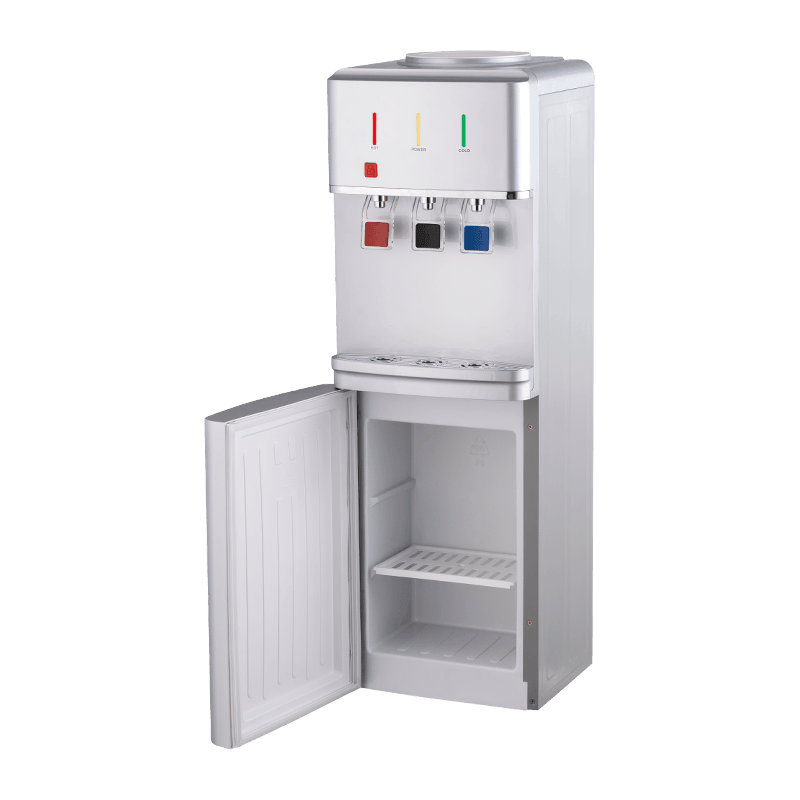
A bottom loading vertical water dispenser is engineered to house the water bottle in a cabinet located at the base of the machine. This design utilizes a high pressure pump system to draw water upward into the internal heating and cooling tanks. The primary advantage of this configuration is the elimination of heavy lifting, as the user only needs to slide the bottle into the cabinet and connect a probe rather than hoisting a twenty liter bottle onto the top of the unit.
From an aesthetic perspective, the bottom loading model is often preferred for high end offices and modern homes because the bulky water bottle is hidden behind a door. This creates a cleaner look that blends seamlessly with other kitchen appliances. However, the addition of a mechanical pump means that these units require a consistent power source to move any water at all, and the pump must be engineered for quiet operation to avoid disturbing the surrounding environment.
Maintenance and Visibility Factors of Top Loading Coolers
The traditional top loading vertical water dispenser remains popular due to its mechanical simplicity and cost effectiveness. Because these units rely on gravity to move water into the internal reservoirs, they often have fewer moving parts that could potentially fail. One of the unique benefits of the top loading design is the ability to see exactly how much water is remaining in the bottle at a glance. This visual feedback ensures that users can prepare for a bottle change before the unit runs dry.
Structurally, top loading units feature a reinforced collar that supports the weight of the water bottle and ensures a secure seal. This prevents leaks and ensures that air entering the bottle is filtered to maintain hygiene. While the physical effort required to change the bottle is higher, the reliability of a gravity fed system makes it an excellent choice for environments where maintenance needs to be kept to an absolute minimum.
|
Comparison Attribute |
Top Loading Vertical Water Dispenser |
Bottom Loading Vertical Water Dispenser |
|---|---|---|
|
Bottle Handling |
Requires lifting and flipping heavy bottles |
Sliding bottle into base cabinet with no lifting |
|
Aesthetic Integration |
Visible bottle may disrupt kitchen decor |
Hidden bottle design for a sleek appearance |
|
Mechanical System |
Gravity fed with minimal internal moving parts |
Pump driven system with electronic suction |
|
Water Level Monitoring |
Immediate visual check of remaining water |
Usually relies on an electronic empty indicator |
|
Initial Setup Ease |
Simple and ready for use almost instantly |
Requires connecting suction probes and pumps |
|
Operational Sound |
Almost silent during the gravity flow |
Slight hum from the water pump during filling |
The Integration of Advanced Filtration in Point of Use Dispensers
Many modern vertical water dispenser models have transitioned away from bottled water toward a point of use configuration. These units are connected directly to the building's water line and incorporate multi stage filtration systems to purify the water as it is dispensed. This technology is particularly valuable for businesses that want to reduce their reliance on plastic bottles while maintaining high water quality standards.
Multi Stage Carbon and Sediment Filtration Protocols
A vertical water dispenser with built in filtration typically utilizes a combination of sediment filters and activated carbon blocks. The sediment filter is the first line of defense, removing large particles such as rust, sand, and silt that may be present in the municipal water supply. This protects the internal valves and tanks of the dispenser from mechanical wear and prevents clogs.
The activated carbon stage is essential for removing chemical contaminants such as chlorine, which can affect the taste and odor of the water. By utilizing a high surface area carbon block, the dispenser can effectively absorb organic compounds and pesticides, resulting in water that tastes crisp and fresh. For environments with specific water quality concerns, some vertical models can also be equipped with ultrafiltration or reverse osmosis membranes, which provide a level of purity comparable to premium bottled water brands.
The Role of Ultraviolet Sterilization in Hygiene Maintenance
Maintaining the internal cleanliness of a vertical water dispenser is a critical safety consideration. Many high end units now feature integrated ultraviolet sterilization systems. A small UV lamp is positioned inside the cold water tank or near the dispensing nozzle, where it emits a specific wavelength of light that neutralizes bacteria, viruses, and other microorganisms.
This process is entirely chemical free and does not alter the taste of the water. In a vertical water dispenser, the UV light typically operates on a timed cycle, ensuring that the water remains sterile even during periods of low usage. This feature is particularly important in healthcare settings or large offices where many different people are using the same machine, as it provides an additional layer of protection against the spread of waterborne pathogens.
Structural Durability and Material Safety in Vertical Designs
Because a vertical water dispenser is a floor standing unit, it must be engineered to withstand the physical demands of its environment. This includes resisting impacts, supporting significant weight, and maintaining a hygienic surface that is easy to clean. The choice of materials for both the exterior housing and the internal components is a primary factor in the long term value of the machine.
Utilizing Stainless Steel for Longevity and Appearance
Stainless steel is the preferred material for the high traffic areas of a vertical water dispenser. The exterior panels are often treated with a fingerprint resistant coating, which ensures that the machine remains looking professional even with frequent use. Beyond aesthetics, stainless steel is non porous and resistant to corrosion, making it an ideal material for the drip tray and the dispensing area where moisture is constantly present.
Inside the machine, the use of stainless steel for the heating and cooling tanks is a non negotiable safety standard. Unlike some plastics that can degrade over time when exposed to heat or cold, stainless steel remains stable and does not leach chemicals into the drinking water. This material choice ensures that the vertical water dispenser can provide reliable service for many years without compromising the health of the users.
Safety Features and Child Protection Mechanisms
The ability to dispense near boiling water creates a potential safety hazard, particularly in households with small children. Manufacturers address this through the implementation of robust safety locks on the hot water faucet. Most vertical water dispenser models require a two step mechanical action, such as pushing a button while simultaneously depressing a lever, to activate the hot water flow.
This design is engineered to be intuitive for adults but difficult for children to operate accidentally. Some electronic models utilize a digital lock that requires the user to hold a sensor for a specific duration before the hot water is released. These safety protocols are essential for preventing accidental burns and ensuring that the vertical water dispenser can be used safely in any environment. Additionally, the wide base of the vertical design provides excellent stability, preventing the unit from tipping over even if it is accidentally bumped.
Operational Guidelines for Maximizing Performance and Longevity
A well maintained vertical water dispenser can provide consistent service for a decade or more if the user follows a regular maintenance routine. Because these machines involve both water and electricity, proper care is essential for both mechanical performance and biological safety. Neglecting the cleaning of the machine can lead to the buildup of mineral scale and biofilm, which can affect the taste of the water and the efficiency of the thermal cycles.
Cleaning Protocols and Internal Descaling Procedures
Mineral buildup, or scale, is the primary enemy of the internal heating elements in a vertical water dispenser. Over time, calcium and magnesium from the water can crystallize on the surfaces of the hot tank and the delivery tubes. This layer of scale acts as an insulator, forcing the heating element to work harder and stay on longer to reach the desired temperature, which eventually leads to premature failure.
To prevent this, the internal tanks should be descaled every six to twelve months using a food grade descaling solution or a mixture of citric acid and water. The process involves filling the unit with the solution, allowing it to sit for a period to dissolve the minerals, and then thoroughly flushing the system with clean water. Regular descaling ensures that the vertical water dispenser continues to operate quietly and efficiently, maintaining the high performance expected from a professional grade appliance.
Airflow Management and Optimal Placement Strategies
The position of the vertical water dispenser within a room can significantly impact its energy efficiency and the performance of its cooling compressor. Like a refrigerator, the compressor generates heat as it cools the water, and this heat must be dissipated into the surrounding air. If the dispenser is placed too close to a wall or tucked into a tight corner without adequate ventilation, the heat will build up around the unit.
This causes the compressor to run more frequently and for longer periods, which increases electricity consumption and puts unnecessary strain on the mechanical components. Ideally, a vertical water dispenser should have at least ten centimeters of clearance on all sides to allow for proper airflow. Keeping the unit away from direct sunlight and heat sources like radiators further assists the cooling system in maintaining a stable water temperature. By choosing the right location, owners can ensure their vertical water dispenser operates as intended while minimizing operational costs.
Enhancing User Convenience with Intelligent Dispensing Features
The modern vertical water dispenser has incorporated several technological advancements aimed at improving the daily experience of the user. These features are designed to make the process of getting a drink as seamless and hygienic as possible, reflecting the changing expectations of consumers in both the home and the workplace.
Touchless Operation and Hygienic Dispensing Nozzles
In response to increased awareness of workplace hygiene, many vertical water dispenser models now offer touchless operation. These units utilize infrared sensors to detect the presence of a cup or bottle beneath the nozzle. Once detected, the machine automatically dispenses the selected water temperature without the user needing to touch any buttons or levers.
This technology significantly reduces the risk of cross contamination, which is a major advantage in high traffic areas such as break rooms, gyms, and reception areas. Furthermore, the nozzles themselves are often recessed and protected by a shield to prevent them from coming into contact with the rims of various drinking vessels. This attention to hygienic design ensures that the vertical water dispenser remains a safe and trusted source of hydration for everyone in the building.
Adjustable Drip Trays and Large Dispensing Areas
The versatility of a vertical water dispenser is often defined by the variety of containers it can accommodate. High quality models feature a large dispensing area with enough clearance to fill tall sports bottles, carafes, and even small pots for cooking. This is a significant improvement over many countertop models, which are often limited to standard sized drinking glasses.
An adjustable or removable drip tray adds another layer of convenience. If a user needs to fill a particularly large container, the drip tray can be moved out of the way to provide more space. The tray itself is designed to capture small spills and splashes, keeping the surrounding floor clean and dry. Most drip trays are made of dishwasher safe materials, making it easy to keep the machine looking its best with minimal effort. These small ergonomic details contribute to the overall effectiveness of the vertical water dispenser as a central hub for fluid management.
Environmental Responsibility and Reduction of Plastic Waste
Choosing a vertical water dispenser is a powerful step toward reducing a household or business's environmental footprint. The sheer volume of single use plastic bottles generated by modern consumption habits is a major global concern, and the installation of a centralized water dispenser provides a practical and cost effective alternative.
Minimizing Single Use Plastic in Professional Workspaces
In an office environment, providing a vertical water dispenser encourages employees to use reusable glass or metal bottles. This can eliminate thousands of single use plastic bottles every year, reducing the amount of waste that must be managed and hauled away. For companies that are focused on corporate social responsibility and sustainability goals, the transition to a filtered vertical water dispenser is one of the easiest and most visible changes they can make.
The use of large twenty liter water bottles in a vertical water dispenser is also more environmentally friendly than smaller bottles. These large containers are designed to be returned, cleaned, and refilled dozens of times before they are eventually recycled. This closed loop system minimizes the energy required for manufacturing and transportation, making the bottled water dispenser a much more sustainable option than purchasing individual units of water from a retail store.
Energy Saving Modes and Power Management Features
Energy efficiency is another area where modern vertical water dispenser models excel. Many units are equipped with a power saving mode that can be activated during periods when the machine is not expected to be in use, such as overnight or during the weekend. This feature typically involves turning off the heating system or allowing the cold water temperature to rise slightly, reducing the total power consumption of the appliance.
Some advanced models use light sensors to automatically enter sleep mode when the room lights are turned off. When the office opens in the morning and the lights are turned back on, the vertical water dispenser quickly resumes its normal thermal cycles to ensure that water is ready when the first person arrives. These intelligent power management features allow businesses to provide a high level of service to their employees while maintaining a focus on energy conservation and operational efficiency.
Ensuring Water Quality through Regular Filter Replacement
For those utilizing a point of use vertical water dispenser, the maintenance of the filtration system is the most important factor in ensuring long term water quality. Over time, the filters will become saturated with the contaminants they have removed from the water, which can lead to a decrease in flow rate and a reduction in purification effectiveness.
Understanding Filter Life and Replacement Indicators
Most manufacturers specify a lifespan for their filters based on a certain number of liters or a specific time period, usually six months. To make this easier for the user, many vertical water dispenser models are equipped with an electronic filter replacement indicator. This indicator monitors the volume of water processed and provides a visual or audible alert when it is time to install a new filter.
Ignoring these alerts can lead to several problems. A saturated carbon filter may begin to release trapped chemicals back into the water, while a clogged sediment filter can put strain on the internal pump and valves. By replacing filters on schedule, owners can guarantee that the water dispensed is always of the highest possible quality. This consistency is vital for maintaining the trust of the users and ensuring that the vertical water dispenser remains a valued part of the infrastructure.
The Ease of Modular Filter Systems for Quick Maintenance
The engineering of modern filtration systems in vertical water dispenser units focuses on ease of use. Most filters are designed as modular cartridges that can be replaced in a matter of seconds without the need for specialized tools or a plumber. These quick change systems typically involve a simple twist and pull motion, which automatically shuts off the water flow while the filter is being swapped.
This design allows any member of the staff or a homeowner to perform the necessary maintenance without any risk of leaks or complications. By making the maintenance process so simple, manufacturers have ensured that the filtration system is much more likely to be cared for correctly. This commitment to user friendly engineering is a hallmark of the vertical water dispenser market, providing a sophisticated hydration solution that is accessible and reliable for everyone.
The vertical water dispenser stands as a testament to the combination of thermal engineering, material science, and ergonomic design. Whether through the heavy duty cooling capacity of a compressor system or the thoughtful safety features of a hot water lock, these machines are built to meet the demanding requirements of modern life. By understanding the mechanical principles behind these units and following a consistent maintenance schedule, users can ensure a reliable and hygienic supply of water for their teams and families. The versatility and durability of the vertical design ensure its place as a fundamental tool for healthy hydration in any setting.